
Wire-Wrapped vs. Cast Sterling Silver Jewelry: Understanding Manufacturing and Quality Differences
Wire-Wrapped vs. Cast Sterling Silver Jewelry: Understanding Manufacturing and Quality Differences
Wire-wrapped vs. cast sterling silver jewelry — understand how each is made, quality implications, and what it means for wholesale buyers sourcing 925 silver.
Understanding how sterling silver jewelry is made directly improves your ability to evaluate quality, set retail prices, and communicate value to customers. Two of the most common manufacturing approaches — wire wrapping and casting — produce very different aesthetics, different quality characteristics, and command different price points. Here's what wholesale buyers need to know.
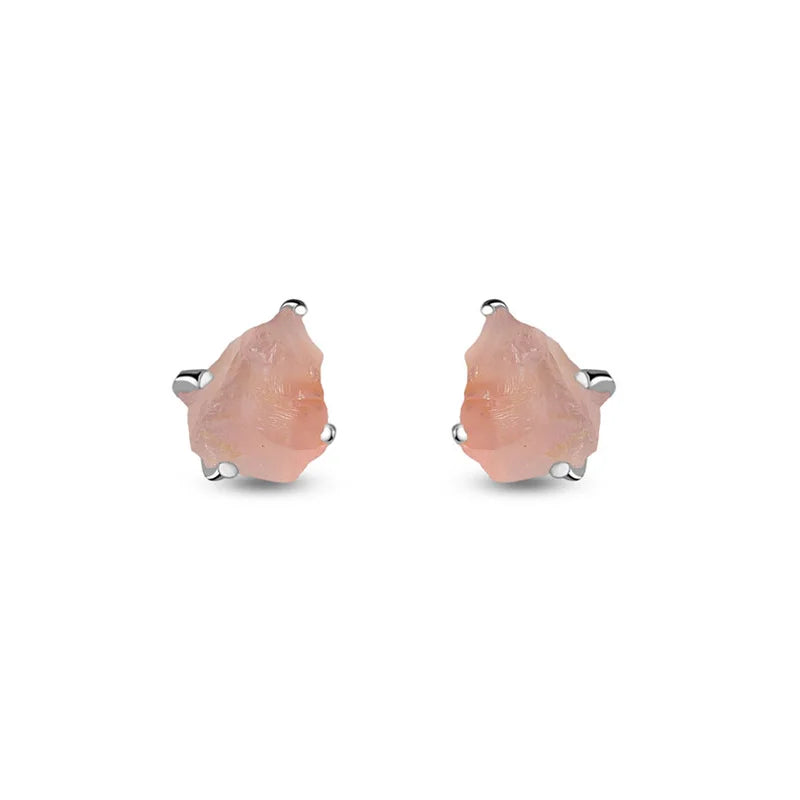
The Major Manufacturing Methods for 925 Sterling Silver Jewelry
1. Lost-Wax Casting (Investment Casting)
How it works:
- A designer creates the jewelry design in wax (by hand carving or 3D printing)
- The wax model is placed in a flask and filled with investment plaster
- The flask is heated in a kiln — the wax melts and burns out ("lost wax"), leaving a precise cavity
- Molten sterling silver is injected into the cavity under pressure or vacuum
- The investment is broken away to reveal the raw casting
- The casting is cleaned, filed, polished, and stone-set
What it produces:
- Precise, consistent, highly detailed pieces
- Ability to reproduce exact designs at scale
- Complex 3D shapes and fine detail work (intricate textures, deep carvings, complex filigree)
- The dominant method for high-volume wholesale jewelry production
Quality implications: The quality of cast pieces depends heavily on the quality of the original wax model, the silver alloy used, the casting pressure and temperature, and the post-production finishing. With German precision casting machinery and 500+ experienced artisans, Natural Creations 925 achieves casting consistency that manual or low-technology operations cannot replicate. Their 60,000 sq ft factory is equipped specifically for high-quality, high-volume casting production.
2. Wire Wrapping
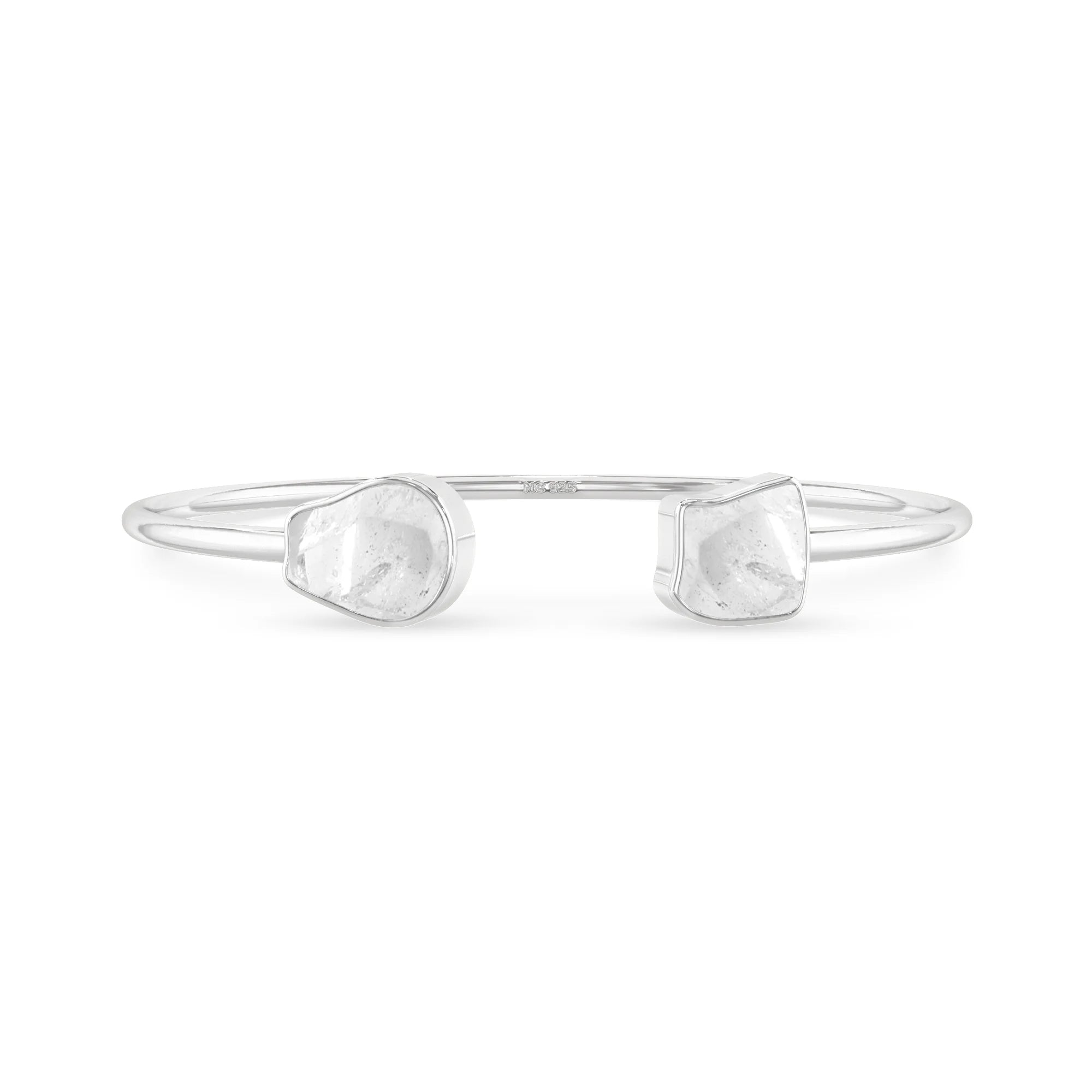
How it works: Sterling silver wire (available in many gauges and profiles) is bent, coiled, and shaped by hand around gemstones or structural forms without soldering. The wire holds stones through tension and mechanical wrapping rather than prong or bezel settings.
What it produces:
- Highly individual, artisan character — no two pieces are identical
- Organic, handmade aesthetic
- Typically lower production volume (slower by nature)
- Often used for large or irregular stones that don't suit conventional settings
- Very popular in boho, artisan, and natural crystal jewelry markets
Quality implications: True wire wrapping is hand-intensive and slower than casting. Quality depends almost entirely on the skill of the artisan. Well-done wire work is secure and beautiful; poor wire wrapping is messy, loose, and prone to stone loss.
3. Stamping / Die Striking
How it works: Flat sheet silver is pressed (struck) between steel dies under high force, creating raised relief designs in the flat metal.
What it produces:
- Flat or shallow-relief designs
- Consistent, high-volume production for simpler design elements
- Used for elements like pendants, charms, earring backings, simple rings
Quality implications: Stamped pieces are generally thinner and lighter than cast pieces. The quality floor for stamping is lower than casting, which is why some budget jewelry uses stamping exclusively. However, when combined with quality silver sheet and good finishing, stamped pieces can be very attractive.
4. Hand Fabrication
How it works: Jewelry is built entirely by hand from sheet silver, wire, and tubing — cutting, filing, forging, soldering, and shaping without casting.
What it produces:
- True one-of-a-kind artisan pieces
- Maximum labor input = higher cost
- Used for bespoke and high-end custom jewelry
- Also the foundation of custom design work
Comparison: Casting vs. Wire Wrapping
| Factor | Lost-Wax Casting | Wire Wrapping |
|---|---|---|
| Volume capability | High | Low |
| Consistency | Very high (reproducible) | Low (each piece unique) |
| Detail capability | Excellent (3D complexity) | Limited to wire geometry |
| Stone security | High (prong/bezel precision) | Medium (tension-dependent) |
| Production speed | Fast (at scale) | Slow (handmade) |
| Aesthetic | Clean, precise, designed | Organic, artisan, raw |
| Cost per piece at volume | Lower | Higher |
| Quality ceiling | Very high (with good equipment) | High (with skilled artisan) |
| Best gemstone types | Cut faceted and cabochon stones | Large raw, irregular, or crystal stones |
What Manufacturing Method Should Tell You About Wholesale Pricing
The manufacturing method is a legitimate pricing driver that resellers should understand and communicate:
Casting at scale with high-quality equipment (like the German machinery at Natural Creations 925) produces consistent, beautiful pieces at efficient wholesale pricing. The value is in the design quality, stone quality, and finishing — not in "hand-labor time."
Wire-wrapped pieces priced at or below mass-produced casting prices are a red flag — either the wire work is very poor, the silver is substandard, or the stones are simulants. Quality hand-wrapping of natural stones in genuine 925 silver takes time and skill, and pricing should reflect this.
Inside Natural Creations 925's Manufacturing Process
Natural Creations 925 operates a full-service manufacturing facility combining the best of multiple approaches:
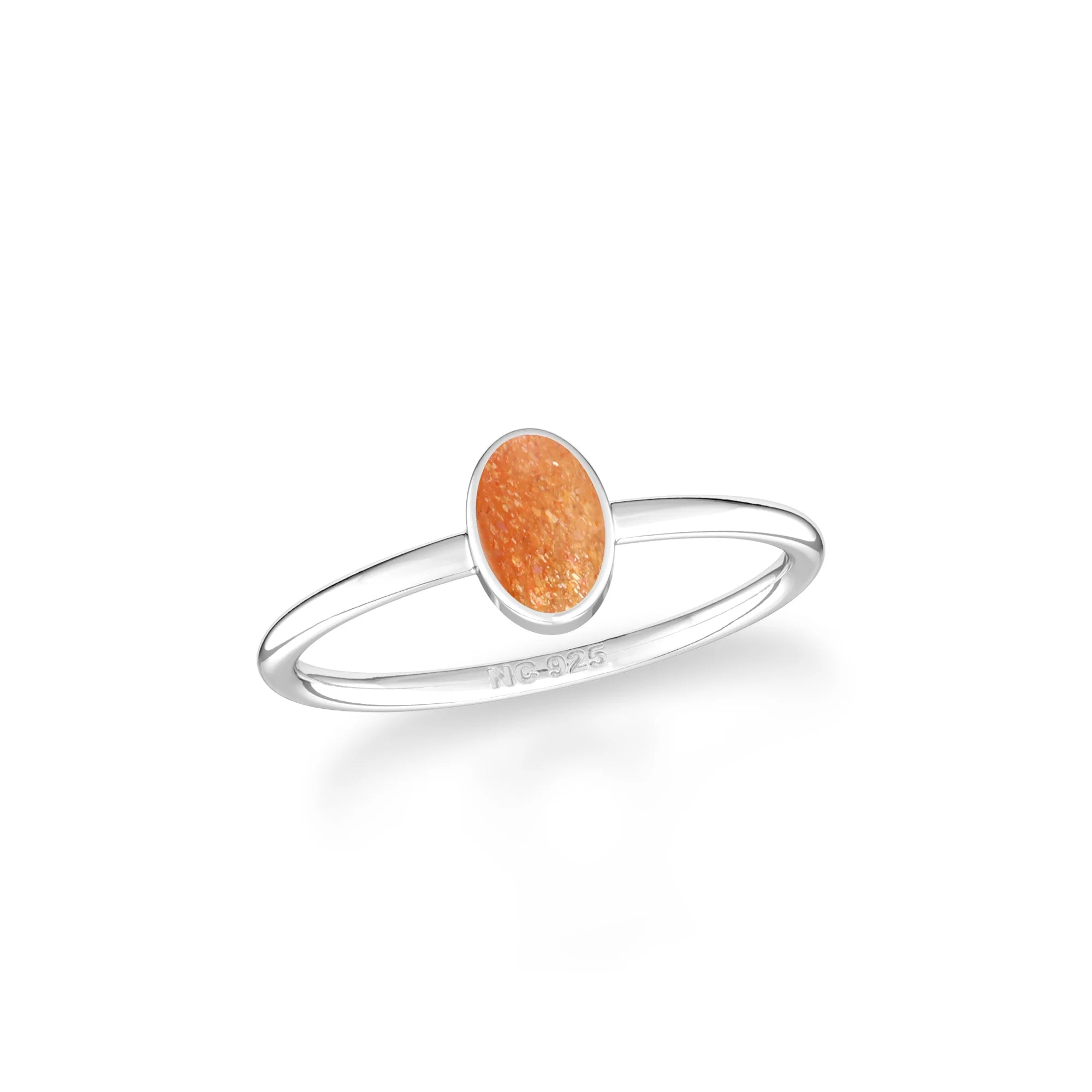
Casting: Their core production method, executed using German state-of-the-art casting equipment that maintains precise temperature, pressure, and timing for optimal silver alloy performance. The result is castings with excellent detail fidelity and consistent weight.
Stone Setting: Following casting and rough finishing, pieces go to the setting bench where artisans set each gemstone individually — by hand, with precision tools. With 500+ artisans, 75% of whom are women with deep craft expertise, the setting quality is a genuine point of pride.
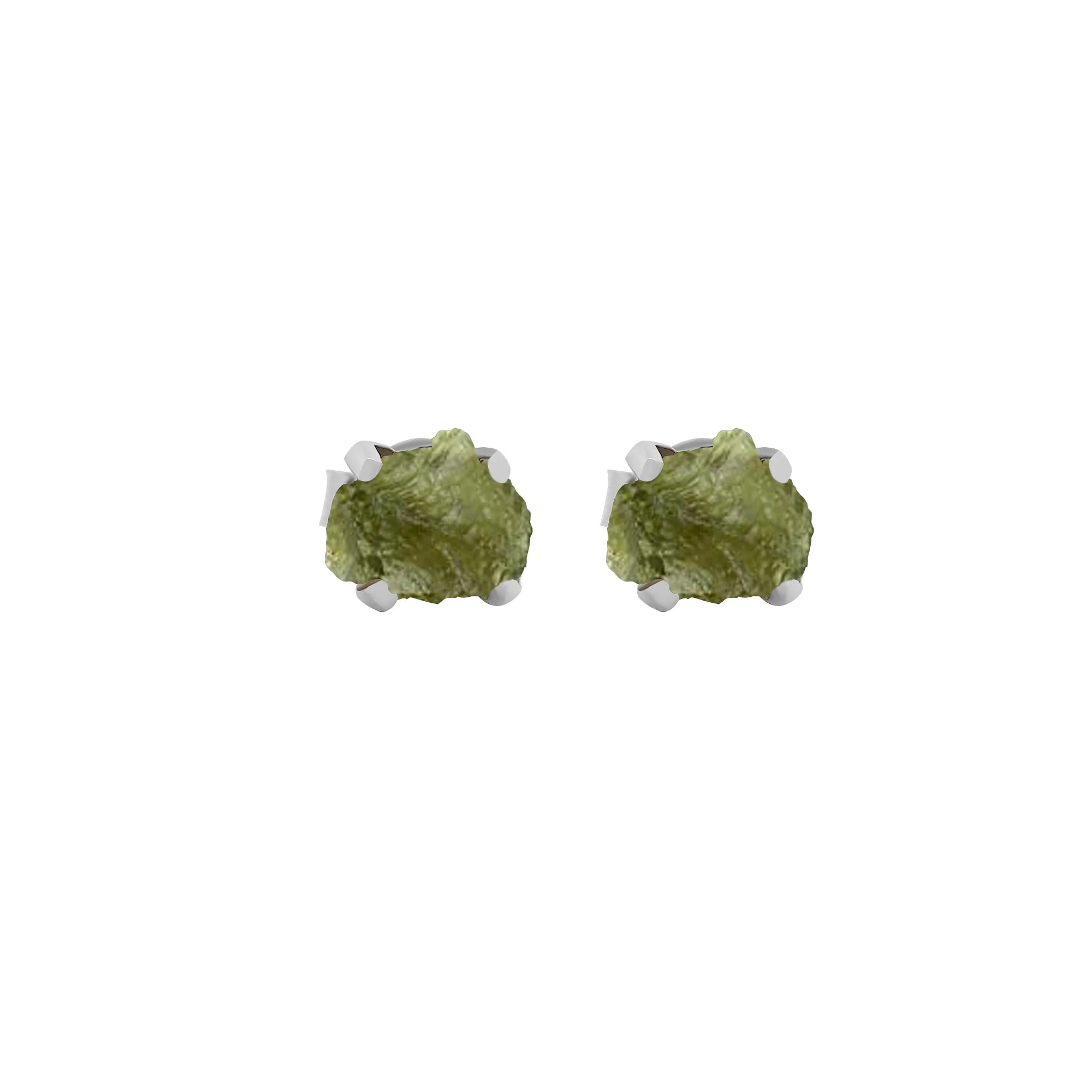
Lapidary Integration: Unlike suppliers who buy pre-cut stones, Natural Creations 925 purchases rough gemstones from global markets — Africa, South America, Southeast Asia, and beyond — and processes them in their in-house lapidary before handing off to setters. This vertical integration means stone fit and quality are controlled at every step.
Polishing: Finished pieces go through barrel polishing and hand polishing to achieve the brilliant silver finish or, for oxidized pieces, the selective patina application that makes their dark-silver pieces so distinctive.
Is cast silver jewelry as good as handmade?
High-quality cast silver is comparable or superior to handmade for most jewelry purposes. Modern precision casting with quality machinery produces exceptionally detailed, consistent, and durable pieces. "Handmade" is not inherently better — it depends entirely on the skill level and equipment of the manufacturer.
What does "lost-wax casting" mean in jewelry?
Lost-wax (or investment) casting is the most common method for producing complex sterling silver jewelry. A wax model of the design is made, encased in plaster investment, heated until the wax burns away, and then filled with molten silver. When the investment is removed, the silver piece retains the exact shape of the original wax model.
Is wire-wrapped jewelry real sterling silver?
It can be — the quality of wire-wrapped jewelry depends entirely on the silver used for the wire. Look for a .925 stamp or ask the supplier to confirm the wire gauge and alloy. Genuine 925 sterling silver wire is commonly available and should be used by any reputable wire-wrap artisan.
How is wholesale silver jewelry manufactured?
Most wholesale sterling silver gemstone jewelry is produced by lost-wax casting — the design is created in wax, cast in silver, finished and polished, then set with gemstones by skilled artisans. Factory-direct manufacturers like Natural Creations 925 use German precision casting equipment and dedicated artisan teams to produce high-quality wholesale pieces at scale.
What is the difference between cast and stamped silver jewelry?
Cast silver jewelry is produced by filling a mold with molten silver — allowing for complex 3D shapes and detailed design. Stamped silver is pressed from flat silver sheet, producing simpler flat or shallow-relief designs. Cast pieces are generally heavier, more detailed, and more durable than stamped equivalents.
Open Your Wholesale Account Today
500+ artisans. In-house lapidary. 100% solar-powered. Same-day shipping on orders before 2 PM PST. Just your business license to get started.