
What Is Marcasite Jewelry? History, Style, and Why It
What Is Marcasite Jewelry? History, Style, and Why It's Making a Comeback
What is marcasite jewelry? Learn its Victorian history, how it's made with 925 sterling silver, and why this antique-inspired style is trending again.
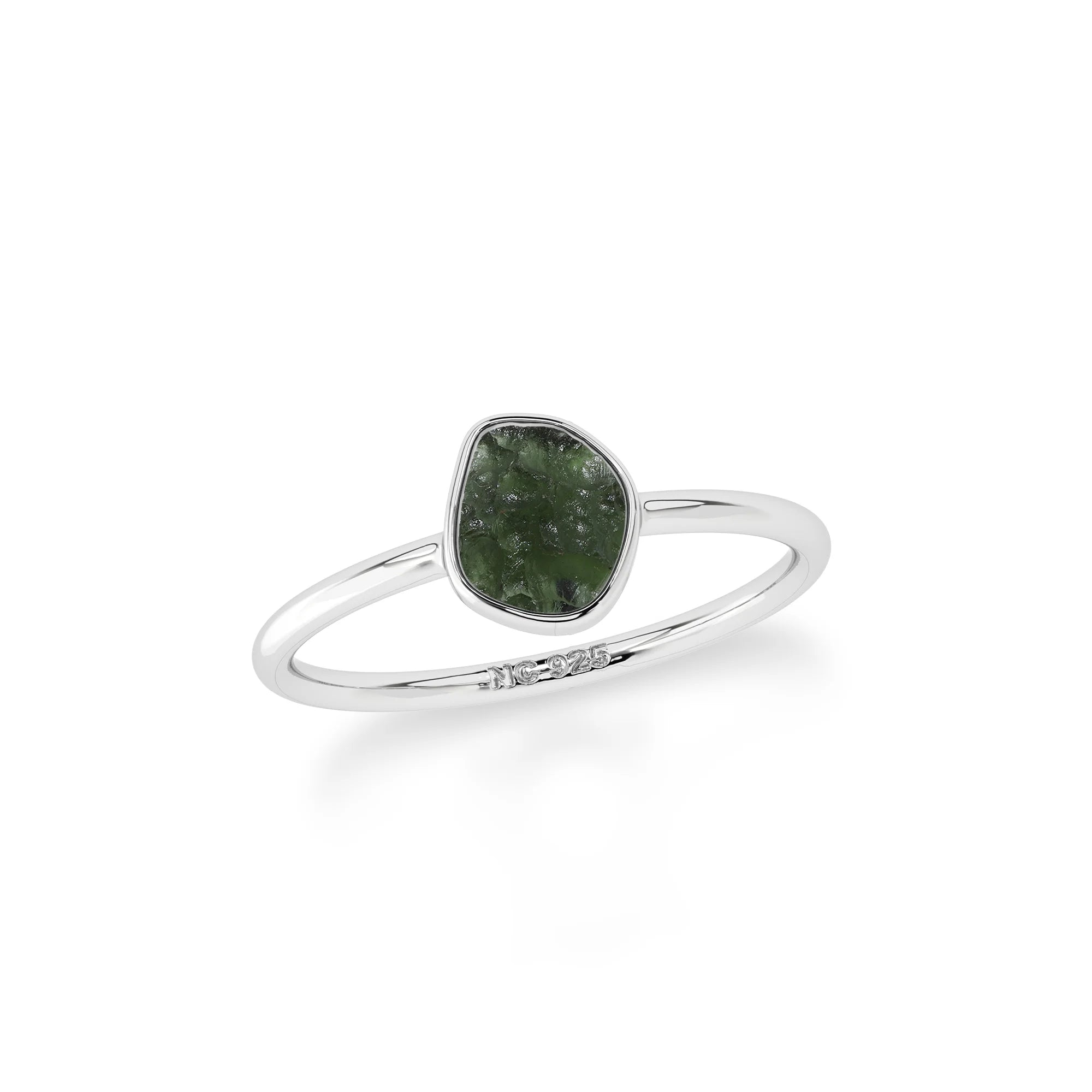
Marcasite jewelry refers to pieces made from sterling silver set with small, faceted stones of iron pyrite (fool's gold) or, in modern production, faceted steel — creating a distinctive dark, metallic sparkle that has a rich Victorian heritage. Despite its antique associations, marcasite jewelry is experiencing a strong revival in contemporary markets drawn to vintage aesthetics, Art Deco design, and the growing popularity of bold, dark jewelry.
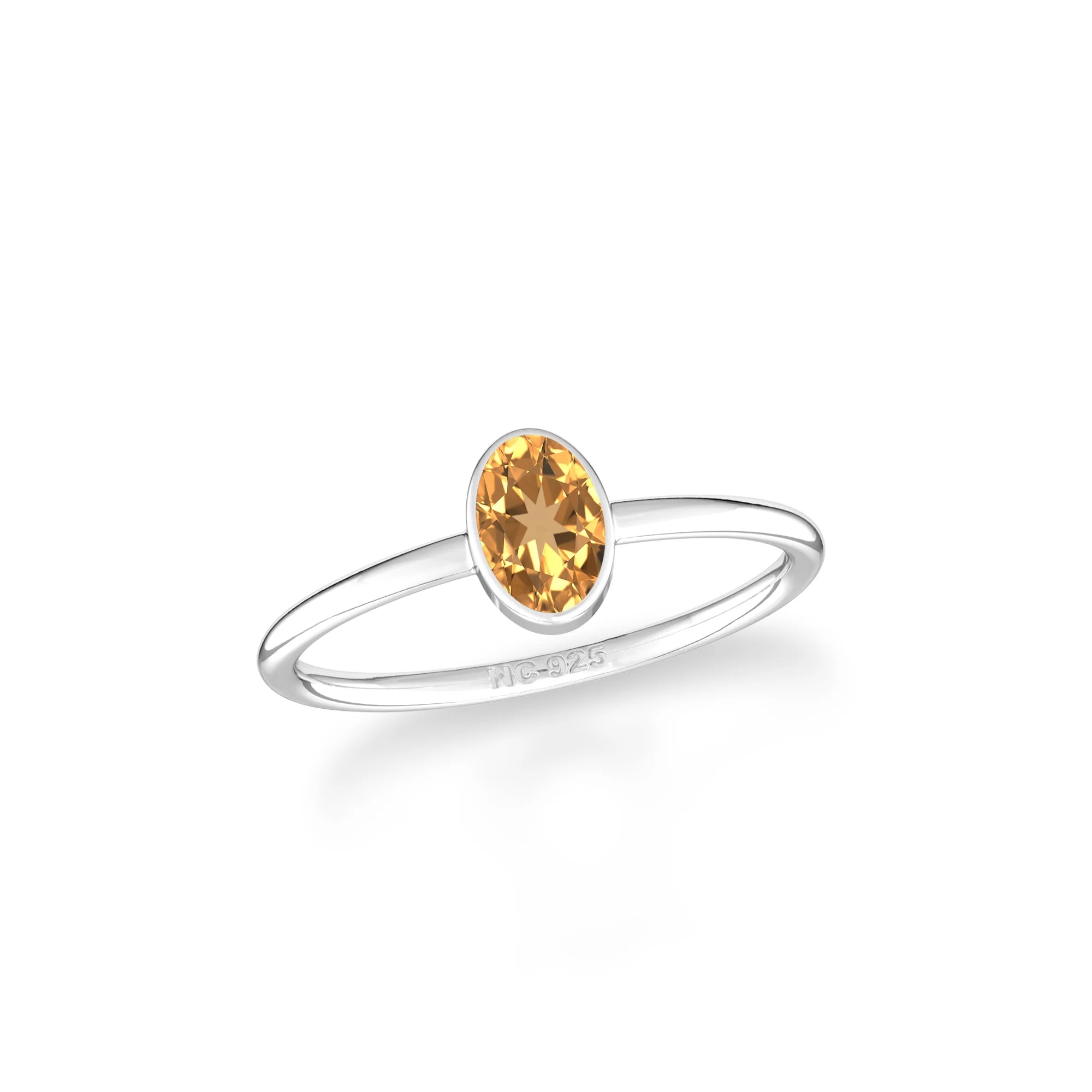
What Is Marcasite, Exactly?
Mineralogically, true marcasite is iron sulfide (FeS₂) — the same chemical formula as pyrite, but with a different crystal structure. Both minerals are commonly called "fool's gold" for their brassy, metallic luster.
However, most "marcasite" jewelry sold today actually uses pyrite (which is more stable) or faceted steel rather than true marcasite mineral, because marcasite (the orthorhombic form) is brittle and tends to deteriorate over time. The trade name "marcasite" has been applied to pyrite-set silver jewelry so consistently since the Victorian era that it remains the standard commercial term.
Key properties:
- Color: Metallic silver-gray to brassy yellow
- Luster: Metallic — reflective and sparkly when faceted
- Mohs hardness: 6–6.5 (pyrite)
- Setting: Almost always in sterling silver, as the metallic gray tones are complementary
The History of Marcasite Jewelry
Marcasite jewelry has been worn for centuries, but it reached its cultural peak in three distinct eras:
Georgian Period (1714–1830)
Marcasite was frequently used as a more affordable substitute for diamond paste during a period when actual diamonds were extremely scarce. Georgian marcasite pieces are characterized by elaborate floral, bow, and ribbon motifs in closed-back silver settings.
Victorian Era (1837–1901)
Queen Victoria was a known wearer of marcasite jewelry, particularly after Prince Albert's death, when mourning jewelry became fashionable. Dark, dramatic pieces set with marcasite, jet, and onyx were culturally significant. Victorian marcasite work is distinguished by intricate filigree settings and complex geometric patterns.
Art Deco Period (1920s–1930s)
The clean geometric lines of Art Deco were a natural fit for marcasite's metallic, architectural quality. French and British jewelers produced stunning pieces combining marcasite with onyx, chalcedony, and colored gemstones in the bold angular settings that define the period.
The Present Revival
Today's renewed interest in marcasite connects to:
- Vintage and antique aesthetics — A dominant style direction in both US and UK jewelry markets
- Dark jewelry trends — The broader popularity of dark metals, oxidized silver, and gothic-influenced design
- Affordability — Marcasite offers diamond-like sparkle at very accessible price points
- Uniqueness — Buyers seeking jewelry that stands apart from mass-market minimalist pieces
Marcasite in 925 Sterling Silver: What Makes a Quality Piece
Quality marcasite jewelry is judged on:
Stone setting consistency — Each small pyrite stone should be set uniformly, with no stones sitting higher or lower than their neighbors. This requires skilled artisan work and quality tools.
Setting security — Marcasite stones are small and can fall out of poorly made pieces. Quality silver work holds each stone firmly in its collet (individual metal cup).
Silver finish quality — Marcasite almost always appears in either bright sterling silver or oxidized/antiqued silver. Oxidized silver settings with marcasite create the most authentically Victorian look.
Design integrity — The best marcasite pieces honor the design traditions of the Georgian and Art Deco periods — symmetry, geometric precision, and intricate metalwork rather than lazy mass production.
Natural Creations 925, with 500+ artisans experienced in fine silver setting work and German precision manufacturing equipment in their factory, produces marcasite pieces with the quality and consistency that mass-market importers cannot match.
Who Buys Marcasite Jewelry?
UK Market: The Victorian heritage of marcasite resonates strongly in the UK. British consumers with appreciation for antique jewelry, heritage design, and dark aesthetics are a natural marcasite audience. UK boutiques in London, Edinburgh, and heritage-conscious regional markets perform well with quality marcasite pieces.
German Market: Germany's appreciation for Art Deco design and precision craftsmanship makes it a receptive market for well-made marcasite jewelry with strong Art Deco references.
US Market: American buyers drawn to vintage, antique, and Victorian-inspired aesthetics — a significant and growing demographic — are the primary US marcasite audience. Instagram and Pinterest drive significant discovery of marcasite styles.
Australian Market: The Australian boho and vintage jewelry market has strong overlap with marcasite's aesthetic — particularly for earrings and brooches.
How to Market Marcasite to Your Customers
Effective marcasite merchandising leans into the story:
- Tell the history — Customers love knowing that a style has centuries of heritage. Victorian, Art Deco, and antique-inspired language drives engagement.
- Pair with complementary stones — Marcasite with black onyx, garnet, or amethyst creates rich, dramatic combinations that photograph beautifully.
- Position as investment pieces — Unlike trend jewelry, marcasite's historical roots position it as a lasting style rather than a seasonal novelty.
- Social media angle — Dark, detailed marcasite pieces photograph magnificently against velvet and wood surfaces. They're Instagram-ready inventory.
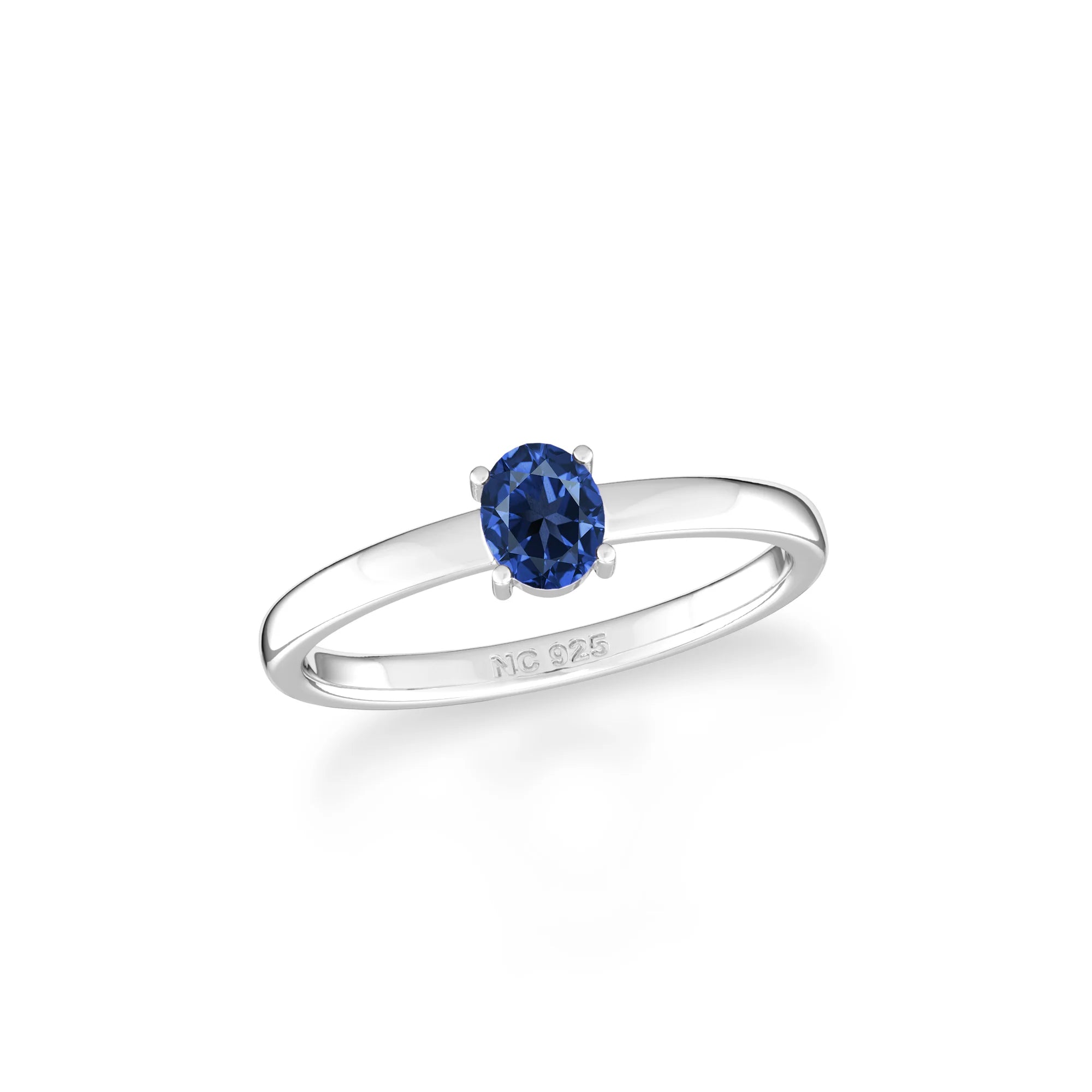
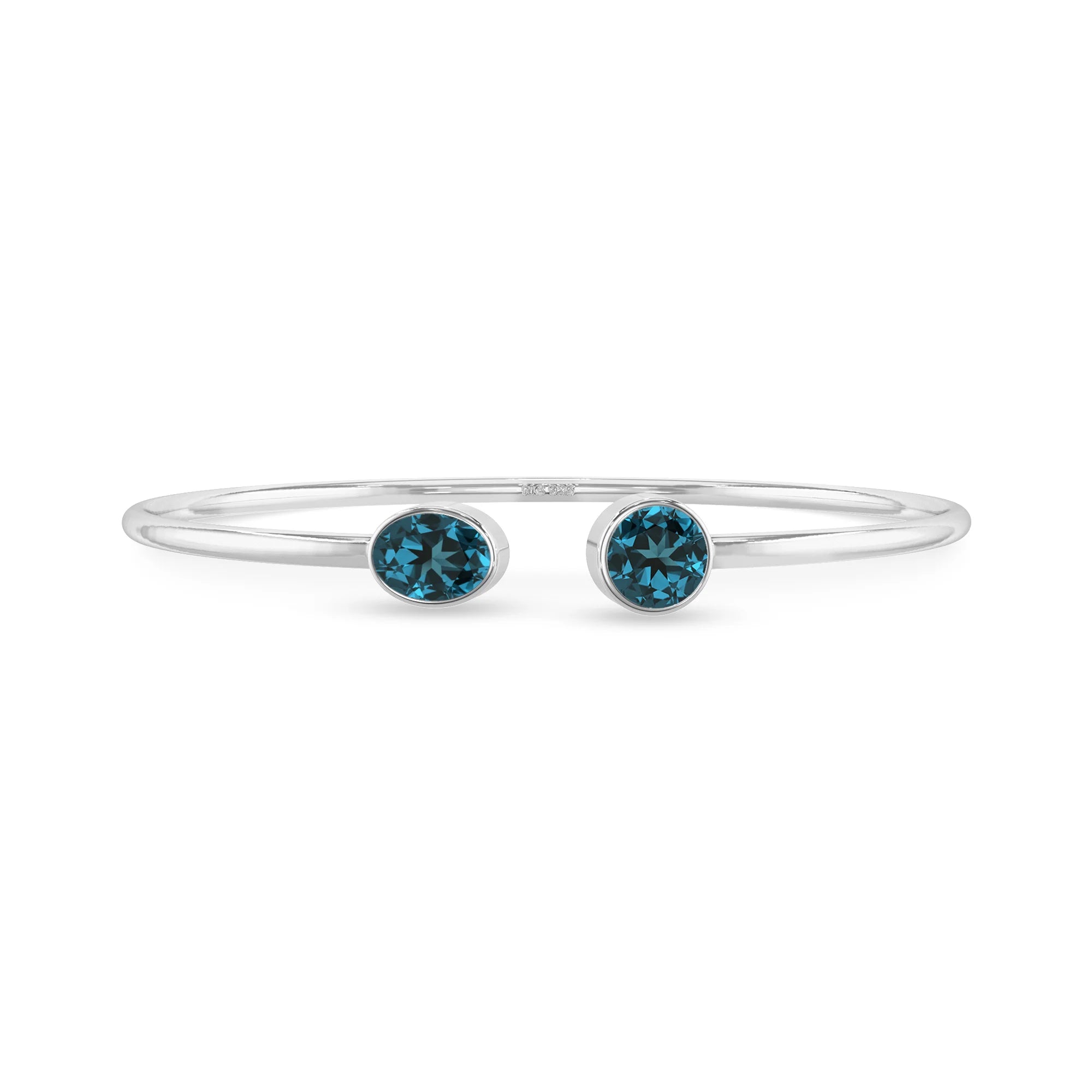
What is marcasite jewelry made of?
Marcasite jewelry is typically made of 925 sterling silver set with small faceted stones of iron pyrite (the mineral commonly called "fool's gold"). Despite the name "marcasite," modern pieces almost always use pyrite rather than true marcasite mineral, which is too brittle for jewelry use.
Is marcasite jewelry real silver?
Yes — genuine marcasite jewelry is made from real 925 sterling silver. The marcasite stones are natural minerals (pyrite), and the metal is authentic sterling silver. Look for the .925 hallmark.
Is marcasite jewelry expensive?
Relative to gemstone-set silver jewelry, marcasite pieces are quite affordable because pyrite is a common mineral. The craftsmanship — the intricate setting of many small stones — accounts for most of the cost. Wholesale pricing for quality marcasite pieces in 925 silver typically ranges from $12 to $50 per piece.
Is marcasite jewelry trending?
Yes — marcasite is experiencing a meaningful revival driven by the wider trend toward vintage, antique, and Art Deco-inspired jewelry. The dark metallic aesthetic also aligns with the popularity of oxidized silver and gothic-influenced design.
Where does the term "marcasite" come from in jewelry?
The term derives from the Arabic "markashatah," applied to pyrite by medieval alchemists. The name transferred to the jewelry trade during the Georgian era and became standard commercial terminology for pyrite-set silver pieces, even though mineralogically the two minerals (marcasite and pyrite) are distinct.
Open Your Wholesale Account Today
500+ artisans. In-house lapidary. 100% solar-powered. Same-day shipping on orders before 2 PM PST. Just your business license to get started.