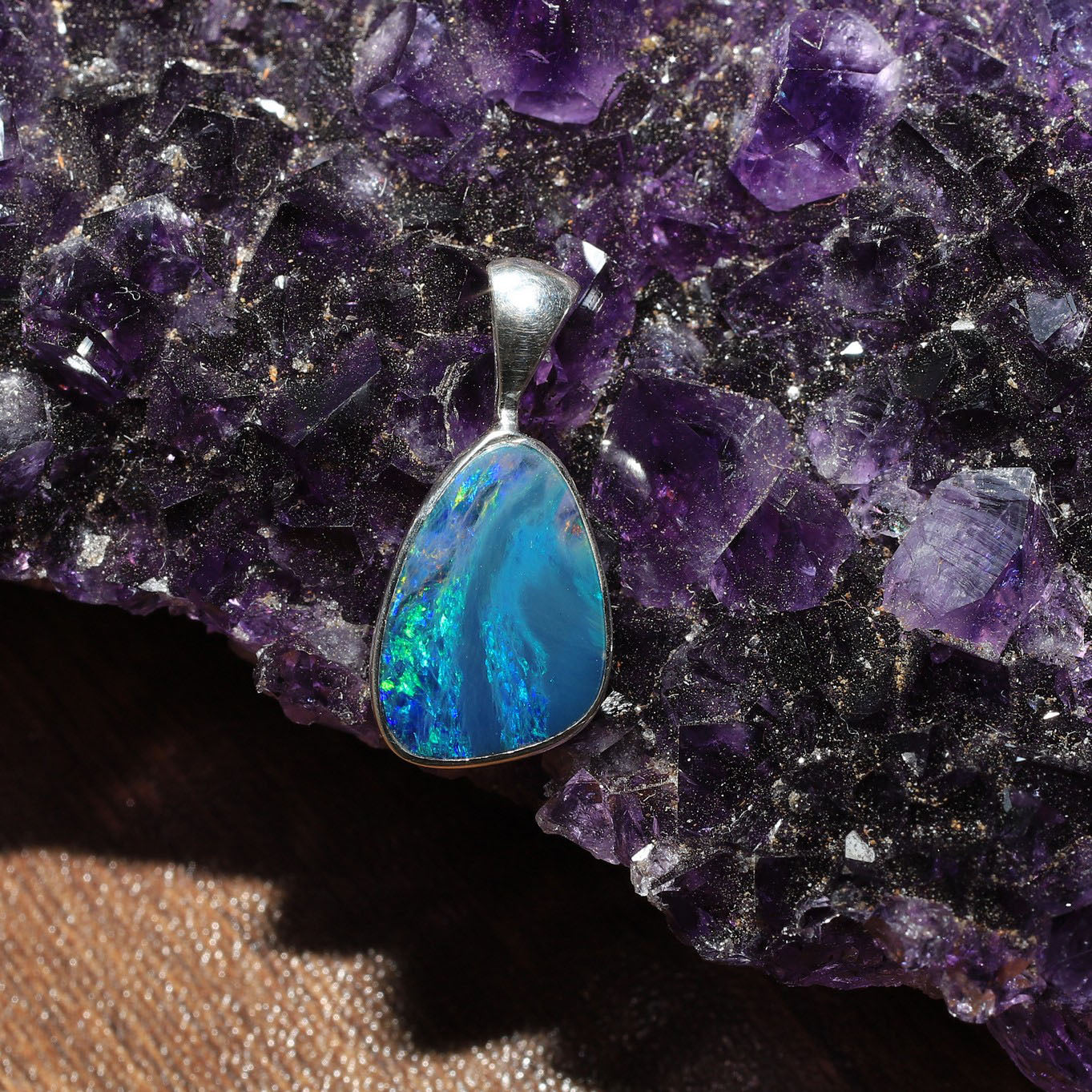

Turquoise Authentication Guide: How to Spot Fake vs. Natural Turquoise in Wholesale Jewelry
Turquoise Authentication Guide: How to Spot Fake vs. Natural Turquoise in Wholesale Jewelry
Learn how to identify genuine turquoise vs. fakes (dyed howlite, reconstituted, plastic) — 7 tests every wholesale jewelry buyer should know.
You can spot fake turquoise jewelry by checking for uniform color (natural turquoise varies), running an acetone test for dye transfer, examining the matrix pattern under magnification, and feeling the weight and temperature of the stone — genuine turquoise is cool to the touch and heavier than plastic imitations. These are the baseline tests, but wholesale buyers need to go deeper. This guide covers every type of turquoise fake on the market, how each one is made, and the exact tests you can run before committing to a supplier.
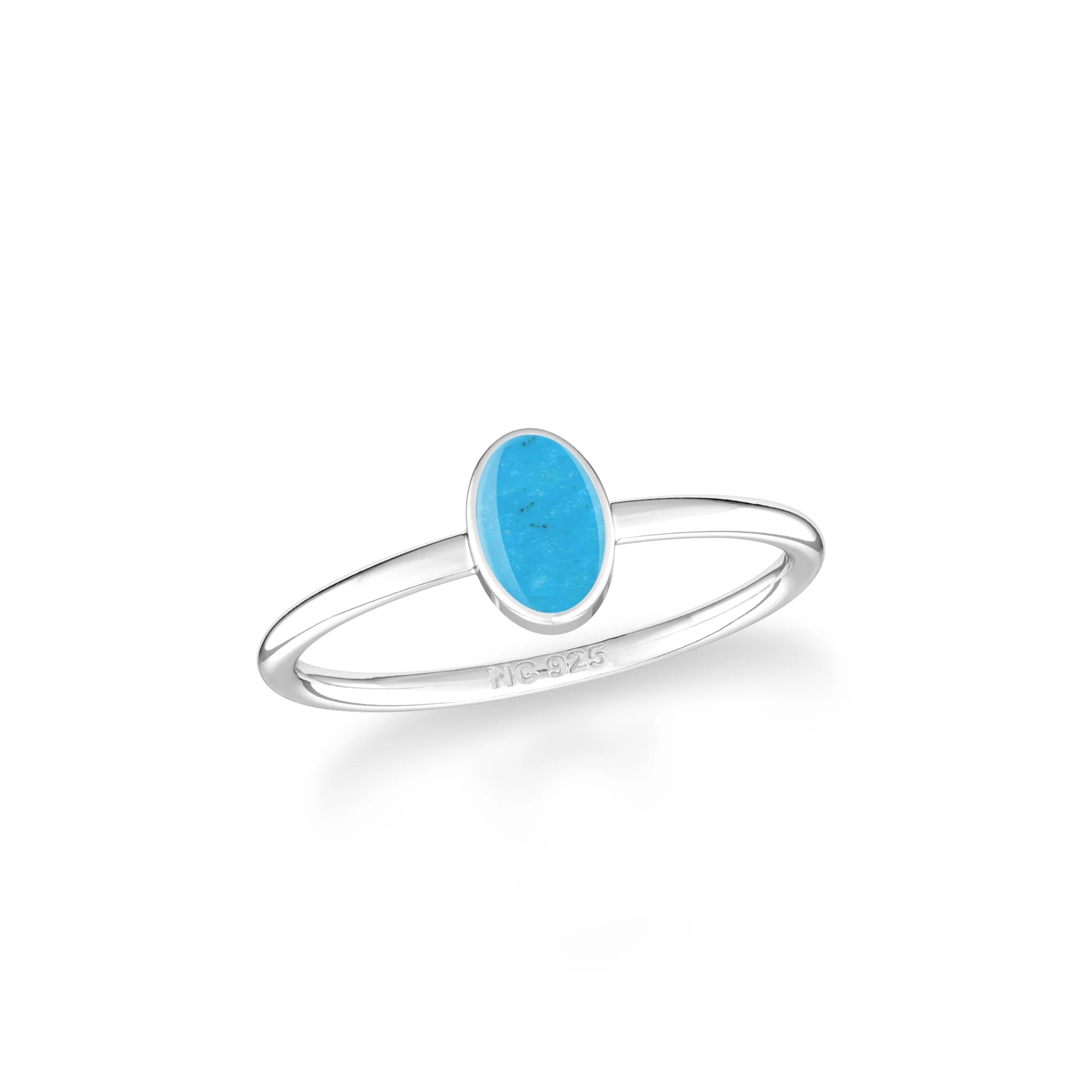
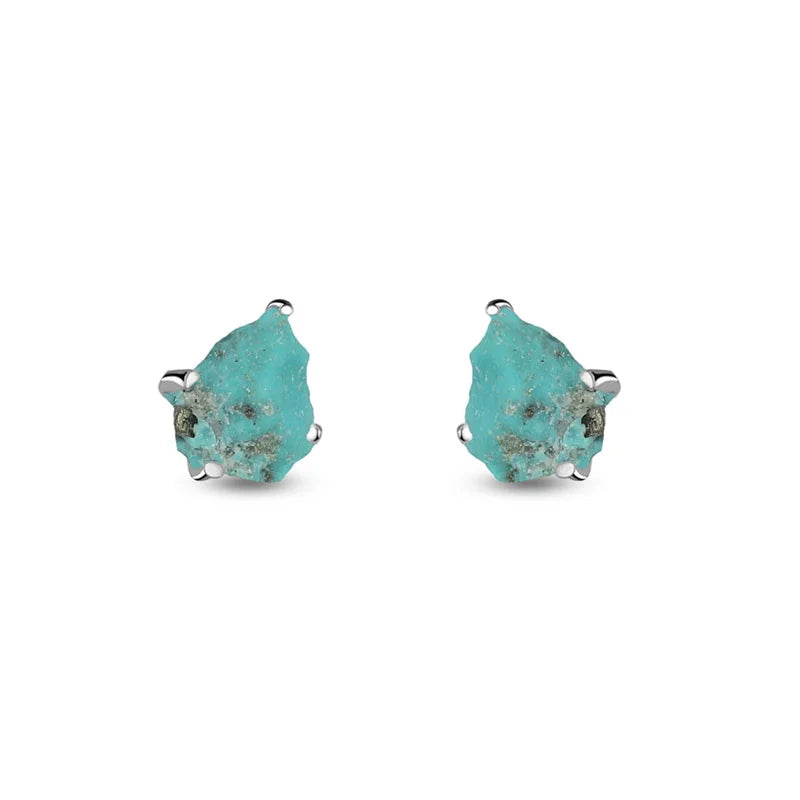
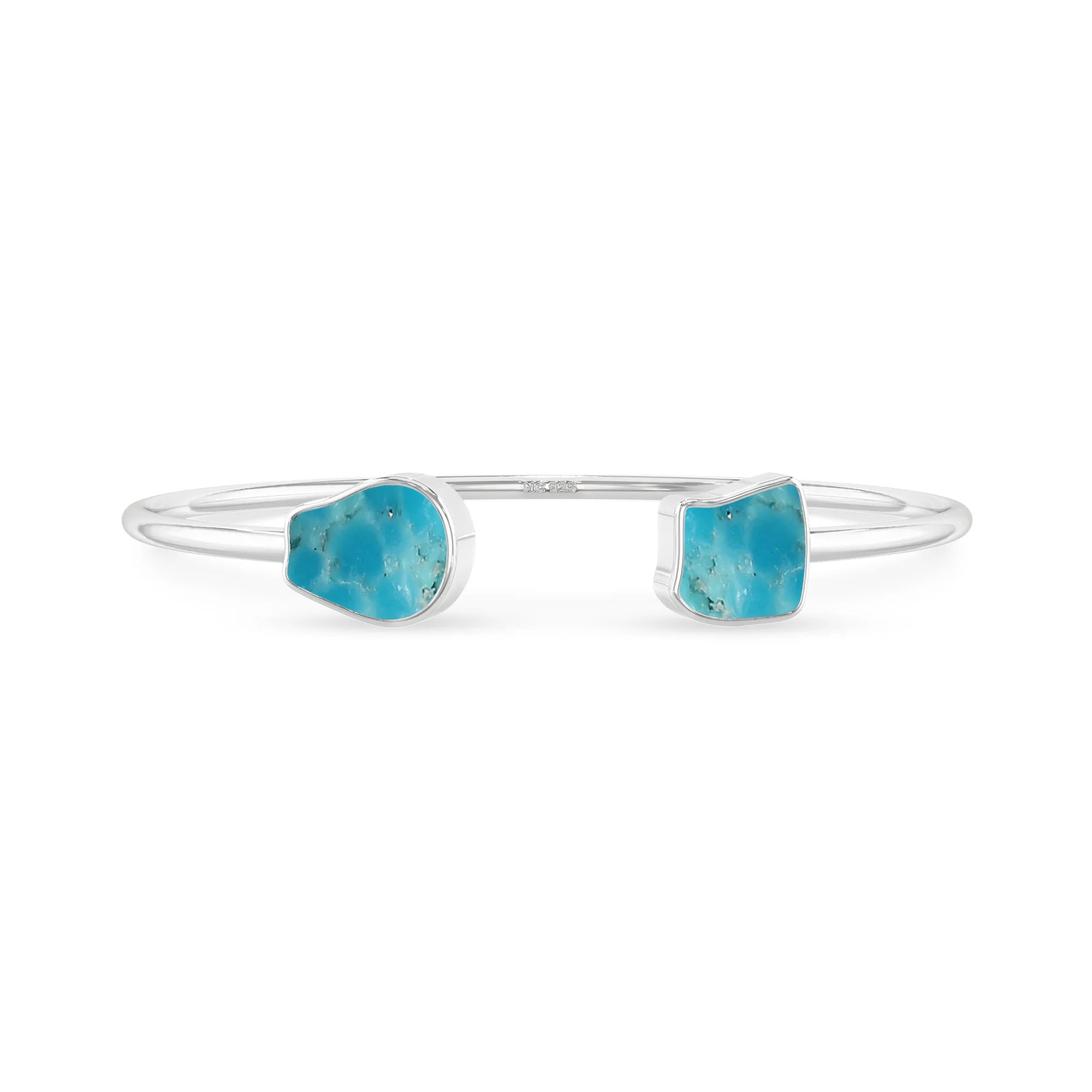
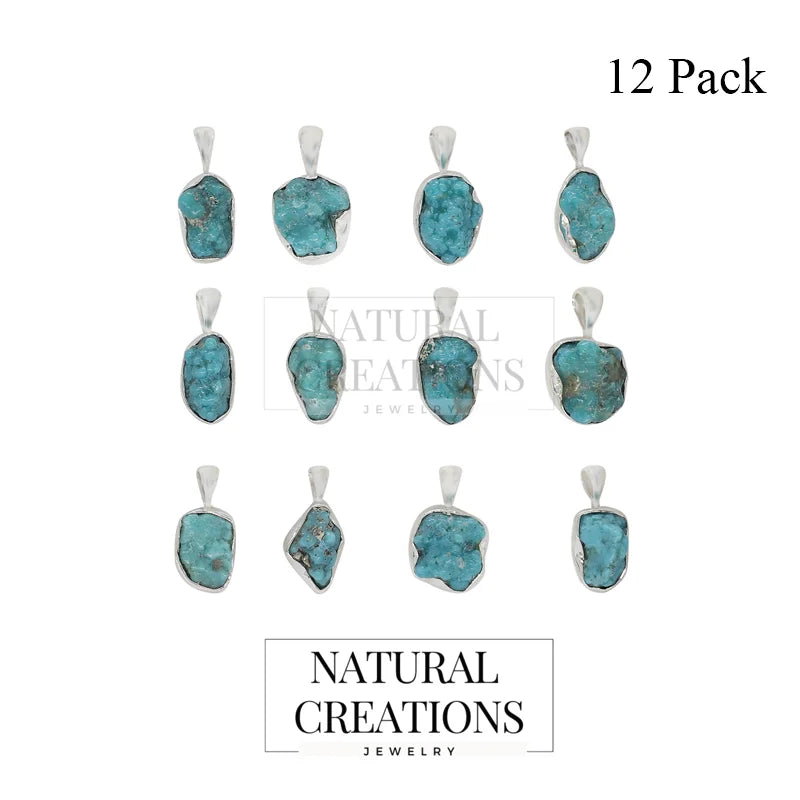
Why Is Fake Turquoise So Common in Wholesale Jewelry?
Turquoise is one of the most counterfeited gemstones in the jewelry industry — some estimates suggest that up to 90% of turquoise sold commercially is treated, reconstituted, or outright fake. The reasons are straightforward:
- High demand — Turquoise is one of the most recognized and desired semi-precious gemstones globally, especially in the American Southwest, Middle Eastern, and South Asian markets
- Diminishing natural supply — Major historic mines (Sleeping Beauty, Bisbee, Lander Blue, Number 8) have closed or slowed production significantly
- Price pressure — Natural, high-grade turquoise commands $30–$500+ per carat, while imitations cost pennies
- Difficulty of detection — Well-made fakes fool even experienced buyers without testing
For wholesale buyers sourcing sterling silver turquoise jewelry, this creates a serious trust and liability problem. Selling misrepresented turquoise is not only unethical — it exposes your business to FTC enforcement, consumer fraud claims, and permanent reputation damage.
What Types of Fake Turquoise Exist?
Understanding how to spot fake turquoise jewelry starts with knowing exactly what you might encounter. Here are the five main categories of non-natural turquoise:
1. Dyed Howlite (The Most Common Fake)
Howlite is a white mineral with gray veining that looks remarkably like turquoise matrix when dyed blue or green. It is the most common turquoise substitute because:
- It is abundant and cheap (pennies per carat)
- It absorbs dye readily and evenly
- Its natural veining mimics turquoise matrix patterns
- It takes a good polish
How to identify it: Dyed howlite is lighter than turquoise, the color is unnaturally uniform, and an acetone swab will often pull blue dye from the surface. Under magnification, you can see dye concentrations in surface pits and fractures.
2. Dyed Magnesite
Similar to howlite but with a slightly different mineral composition. Magnesite is another white, porous mineral that accepts dye well. It is sometimes sold as "white turquoise" (which is misleading — genuine white turquoise exists but is extremely rare).
How to identify it: Same acetone test applies. Magnesite is also lighter than genuine turquoise and may show a slightly different luster — more chalky than waxy.
3. Reconstituted (Compressed) Turquoise
Reconstituted turquoise is made from turquoise dust, chips, and fragments that are ground into powder, mixed with resin or epoxy binder, and pressed into blocks. These blocks are then cut and shaped like natural turquoise.
This category is tricky because it technically contains real turquoise material. However:
- The binding resin changes the stone's properties
- The color is often enhanced with dye
- It lacks the natural matrix and growth patterns of genuine turquoise
- It should always be disclosed as "reconstituted" or "compressed" — never sold as natural
How to identify it: Reconstituted turquoise has an unnaturally consistent texture. Under 10x magnification, you can see tiny fragments suspended in a resin matrix rather than a continuous mineral structure. A hot needle test (see below) will often produce a chemical smell from the resin.
4. Plastic and Resin Imitations
The lowest-quality fakes are pure plastic or resin molded and colored to resemble turquoise. Some even have artificially stamped "matrix" patterns.
How to identify it: These are the easiest to detect. They are noticeably lighter than stone, warm to the touch rather than cool, and a hot needle will melt or indent the surface while producing a chemical or burning plastic smell.
5. Stabilized Turquoise (Not Fake — But Must Be Disclosed)
Stabilized turquoise is genuine natural turquoise that has been treated with a clear resin or epoxy (often under pressure) to harden porous, low-grade material and improve its durability. This is an accepted and widespread treatment — most commercial turquoise jewelry uses stabilized material.
Stabilized turquoise is not fake, but it must be disclosed. Natural, untreated, gem-grade turquoise is significantly rarer and more valuable. Selling stabilized turquoise as "natural" without disclosure violates FTC guidelines.
How to identify it: Stabilized turquoise has a slightly more uniform color and a somewhat "plasticky" feel compared to untreated material. A 10x loupe may reveal surface resin. A hot needle on an inconspicuous spot will produce a faint chemical odor if resin is present.
How Can You Tell Real Turquoise from Fake? 7 Authentication Tests
Here are seven tests wholesale buyers can perform — ranging from simple visual inspection to basic lab-grade methods. The more tests you combine, the more confident your assessment.
Test 1: The Visual Inspection Test
What you need: Natural daylight, a clean white background
Natural turquoise is rarely uniform. Look for:
- Color variation — Genuine turquoise shows subtle shifts in hue and saturation across the stone
- Matrix authenticity — Natural matrix (the dark veining) is irregular, with varying widths and random patterns. Fake matrix is often too uniform or too perfect
- Surface texture — Natural turquoise has a waxy to sub-vitreous luster, not a glassy or plastic sheen
Red flag: If every stone in a batch looks identical in color and pattern, you are almost certainly looking at dyed or reconstituted material.
Test 2: The Acetone (Nail Polish Remover) Test
What you need: Pure acetone, a white cotton swab
Rub a cotton swab soaked in acetone on an inconspicuous area of the stone. If blue or green dye transfers to the cotton, the stone is dyed. Natural turquoise color does not dissolve in acetone.
Note: This test does not detect stabilization or reconstitution on its own — only surface dye. Some high-quality dyed fakes resist initial acetone contact, so prolonged soaking (2–3 minutes) may be needed.
Test 3: The Temperature Test
What you need: Your hands
Genuine turquoise (and genuine stone in general) feels cool to the touch and takes a moment to warm up when held. Plastic and resin fakes feel room temperature or warm immediately.
This is a quick field test, not definitive on its own — but combined with other observations, it is useful for initial screening.
Test 4: The Hot Needle Test
What you need: A heated sewing needle or pin, applied to an inconspicuous spot
Touch a heated needle to the stone's surface (on the back or an unpolished area):
- Natural turquoise: No reaction, no smell
- Stabilized turquoise: Faint chemical odor from resin
- Reconstituted turquoise: Stronger chemical smell, possible surface softening
- Plastic/resin fake: Melts, indents, strong burning plastic smell
Caution: This test can damage the stone. Use it on test samples or inconspicuous areas only.
Test 5: The Scratch / Hardness Test
What you need: A steel knife or hardness picks
Natural turquoise has a Mohs hardness of approximately 5 to 6. Howlite is softer at 3.5. Plastic is softer still.
- Natural turquoise resists a fingernail scratch and requires steel to mark
- Howlite scratches more easily
- Plastic scratches with a fingernail or shows white powder underneath
Test on the back or base of a cabochon to avoid damaging visible surfaces.
Test 6: The Magnification Test
What you need: A 10x jeweler's loupe or USB microscope
Under magnification, look for:
- Natural turquoise: Micro-crystalline texture, irregular color distribution, natural matrix integrated into the stone
- Dyed howlite/magnesite: Dye concentrations in pits, fractures, and along grain boundaries. The underlying white mineral may be visible in chips or scratches
- Reconstituted turquoise: Visible fragments and particles suspended in a resin binder, like gravel in concrete
- Plastic: Molding lines, air bubbles, uniform coloring with no mineral structure
Test 7: The Specific Gravity / Weight Test
What you need: A sensitive scale and water displacement setup (or simply experience handling turquoise)
Natural turquoise has a specific gravity of approximately 2.6 to 2.8. Howlite is around 2.5. Plastic is significantly lower (1.0–1.5). If you handle turquoise regularly, a fake will simply feel "too light" for its size.
For precise measurement, weigh the stone dry, then use water displacement to calculate density. Anything below 2.4 warrants further investigation.
Fake vs. Real Turquoise: Quick Comparison Table
| Characteristic | Natural Turquoise | Stabilized Turquoise | Reconstituted | Dyed Howlite | Plastic/Resin |
|---|---|---|---|---|---|
| Mineral composition | Copper aluminum phosphate | Same (with resin fill) | Turquoise dust + resin | Calcium borosilicate | Synthetic polymer |
| Mohs hardness | 5–6 | 5–6 (harder due to resin) | 3–5 | 3.5 | 1–3 |
| Specific gravity | 2.6–2.8 | 2.4–2.7 | 2.0–2.5 | ~2.5 | 1.0–1.5 |
| Cool to touch | Yes | Yes | Somewhat | Yes | No |
| Acetone test | No dye transfer | No dye transfer | May transfer dye | Dye transfers | No transfer (no dye) |
| Hot needle test | No reaction | Faint chemical smell | Chemical smell, softening | No reaction | Melts, burns |
| Color uniformity | Varies naturally | Slightly more uniform | Very uniform | Very uniform | Perfectly uniform |
| Matrix pattern | Irregular, organic | Irregular, organic | Artificial-looking | Natural veining (howlite) | Stamped or painted |
| Price per carat | $30–$500+ | $5–$50 | $1–$10 | $0.10–$1 | $0.01–$0.50 |
| Legal to sell as "turquoise" | Yes | Yes (with disclosure) | Must disclose "reconstituted" | No — must disclose | No — must disclose |
What Should Wholesale Buyers Demand from Suppliers?
Knowing how to spot fake turquoise jewelry is only half the equation. Wholesale buyers should also establish sourcing standards:
Require Material Disclosure in Writing
Every purchase order should include written documentation of:
- Stone identity (natural turquoise, stabilized turquoise, reconstituted, simulant)
- Treatment status (untreated, stabilized, dyed, enhanced)
- Country of origin for the rough material (if available)
Reputable manufacturers provide this willingly. Reluctance to disclose is itself a red flag.
Verify the Supply Chain
The shortest path between rough gemstone and finished jewelry means the fewest opportunities for misrepresentation. Suppliers who operate their own lapidary — buying rough turquoise directly from mines and cutting it in-house — offer inherently more reliable material authentication than those sourcing pre-cut cabochons from unknown third parties.
Natural Creations 925 operates a 60,000 sq ft solar-powered manufacturing facility in Las Vegas, Nevada, with an in-house lapidary department that purchases rough gemstones directly from global sources and processes them on-site using precision German machinery. This vertically integrated pipeline — from raw rough stone to finished sterling silver jewelry — eliminates the middle-market layers where material substitution most commonly occurs. With over 500 skilled artisans (75% of whom are women), every stage from stone cutting to final setting is handled under one roof.
Request Test Samples Before Large Orders
Before committing to a large turquoise jewelry order, request a small sample batch and run the tests outlined above. Any supplier confident in their material will welcome this.
Ask About Return Policies for Misrepresented Material
A supplier who stands behind their gemstone authenticity will offer clear return or replacement terms if material testing reveals misrepresentation. This is non-negotiable for professional wholesale buyers.
How Does Turquoise Grading Work?
Natural turquoise does not have a standardized grading system like diamonds (no universal "4 Cs" equivalent). However, the trade generally evaluates turquoise on:
- Color — Vivid, medium-blue ("robin's egg blue") is most valued. Green-blue and green turquoise is also desirable, especially from certain mines. Pale or washed-out color is less valuable.
- Matrix — Some buyers prefer clean, matrix-free turquoise. Others value specific matrix patterns (spiderweb matrix from mines like Number 8 or Kingman commands significant premiums).
- Hardness — Natural, untreated turquoise that is hard enough to cut and polish without stabilization ("gem-grade" or "natural-grade") is the rarest and most valuable.
- Origin — Mine provenance significantly affects value. American turquoise (especially from historic Arizona and Nevada mines) carries a premium in many markets.
For wholesale buyers, understanding these factors helps you evaluate whether a supplier's pricing is consistent with the grade they are claiming to sell. If someone offers "gem-grade natural turquoise" cabochons at reconstituted-turquoise pricing, that is a clear warning sign.
What Are the Legal Requirements for Selling Turquoise?
In the United States, the Federal Trade Commission (FTC) Jewelry Guides require:
- Natural turquoise may be sold simply as "turquoise"
- Stabilized turquoise should be disclosed as "stabilized" or "treated"
- Reconstituted turquoise must be disclosed — selling it as "turquoise" without qualification is deceptive
- Simulants (howlite, magnesite, plastic) must never be represented as turquoise
Similar regulations exist under UK Trading Standards, EU consumer protection directives, and Australian Consumer Law. In Germany, the RAL standards for gemstone nomenclature apply.
Wholesale buyers who export to multiple countries — as many customers of Natural Creations 925 do across 40+ countries — must ensure their product descriptions meet the strictest applicable standard. Proper disclosure protects you legally and builds the kind of customer trust that sustains long-term wholesale relationships.
How Can Buyers Build Long-Term Confidence in Turquoise Sourcing?
The most reliable protection against fake turquoise is not any single test — it is your supplier relationship. Here is what that looks like in practice:
- Work with vertically integrated manufacturers who control their own gemstone sourcing and cutting
- Visit the facility (or request video walkthroughs) to see the lapidary operation firsthand
- Build a reference library of authenticated turquoise from known mines so you can compare new stock visually
- Invest in basic gemological tools — a 10x loupe, acetone, a digital scale, and a hot needle cost under $50 total and pay for themselves on the first catch
- Send periodic samples to a gemological lab (GIA, AGL, or local certified gemologists) for independent verification
Natural Creations 925 ships to wholesale buyers worldwide with same-day dispatch on orders placed before 2:00 PM PST from their factory. Their vertically integrated model — rough stone procurement, in-house cutting, sterling silver manufacturing, and quality control all under one 60,000 sq ft roof — means every turquoise piece ships with full material transparency.
How can I tell if turquoise is real with a simple home test?
The fastest home test combines three checks: hold the stone and confirm it feels cool (plastic feels warm), rub an acetone-soaked cotton swab on an inconspicuous area and check for blue dye transfer (genuine turquoise will not transfer color), and examine the stone under a magnifying glass for natural color variation and irregular matrix. If it passes all three, you likely have real turquoise. If it fails any one, further testing is warranted.
Is stabilized turquoise considered fake?
No. Stabilized turquoise is genuine turquoise that has been hardened with a clear resin treatment to improve durability. It is an accepted and industry-standard treatment, especially for softer or more porous material that would not otherwise survive cutting and setting. However, stabilization must always be disclosed to the buyer. Selling stabilized turquoise as "natural untreated turquoise" without disclosure is a misrepresentation.
Why is dyed howlite the most common turquoise fake?
Howlite is a naturally white mineral with gray veining that closely resembles turquoise matrix. It is extremely porous, making it absorb blue and green dyes readily and evenly. It is also abundant and inexpensive — costing a tiny fraction of even low-grade turquoise. These properties make it the ideal (and cheapest) turquoise simulant, which is why it dominates the fake turquoise market worldwide.
Can reconstituted turquoise pass standard gemological tests?
Reconstituted turquoise can partially pass some tests because it does contain real turquoise material. A basic visual inspection might not catch it. However, magnification reveals the crushed-fragment-in-resin structure, the hot needle test triggers a chemical odor from the binding resin, and specific gravity measurements typically fall below the natural turquoise range. A certified gemological lab can identify reconstituted turquoise definitively using advanced spectroscopy.
What should I do if I discover a supplier sold me fake turquoise?
Document everything immediately — photograph the material, preserve test results, and retain all purchase documentation and communications. Contact the supplier in writing with your findings and request a resolution (refund, replacement, or credit). If the supplier is unresponsive or disputes the claim, have the material independently tested by a certified gemological laboratory. In cases of clear fraud, report the supplier to the relevant trade organization (JVC in the US, NAJ in the UK) and consult legal counsel about recovery options. Going forward, implement the sample-testing protocol described above before committing to new supplier relationships.
Open Your Wholesale Account Today
500+ artisans. In-house lapidary. 100% solar-powered. Same-day shipping on orders before 2 PM PST. Just your business license to get started.