
What Is Oxidized Sterling Silver Jewelry? A Buyer
What Is Oxidized Sterling Silver Jewelry? A Buyer's Guide to Antique-Finish Silver
What is oxidized sterling silver? Learn how the antique black finish is created, how to care for it, and why it's a strong wholesale jewelry choice.
Oxidized sterling silver jewelry is genuine 925 sterling silver that has been deliberately darkened with a controlled chemical process — typically using liver of sulfur or a similar sulfurizing compound — to create a dark, antique-finish patina. The result is a rich, vintage appearance that contrasts beautifully against gemstones and brings out the texture of detailed metalwork.
How Is Silver Oxidized?
The natural tarnish process that silver undergoes over time is a reaction between the silver's copper alloy and sulfur compounds in the environment. Oxidizing a piece deliberately accelerates this reaction in a controlled manner.
The most common method:
- The finished silver piece is submerged in or exposed to a liver of sulfur solution (potassium polysulfide)
- The sulfur bonds with the silver surface, creating a dark silver sulfide layer
- The piece is removed, rinsed, and dried when the desired darkness is achieved
- Selectively, the raised surfaces are buffed back to bright silver while the recessed areas (texture details, backgrounds) retain the dark oxidization
This selective highlighting is what gives oxidized silver its distinctive look: bright silver ridges against dark recesses, which makes engravings, carved details, and texture pop dramatically.
Is Oxidized Silver Still Real Sterling Silver?
Yes — completely. Oxidization is a surface treatment applied to genuine 925 sterling silver. The underlying metal is identical in quality and composition to any other sterling silver piece. The .925 hallmark should still be present on oxidized pieces.
The oxidized layer is silver sulfide — a compound of the same silver that makes up the piece. This is different from plating (which adds a foreign metal layer) or paint/coating (which adds a non-metallic surface).
Types of Oxidized Silver Finish
| Finish | Appearance | Common Uses |
|---|---|---|
| Full oxidization | Dark gray to matte black | Gothic, tribal, industrial jewelry |
| Selectively oxidized | Dark recesses, bright raised areas | Bohemian, artisan, vintage jewelry |
| Patinated | Warm gray with subtle tonal variation | Antique-inspired, heritage pieces |
| Antiqued | Deep brown-black in texture areas | Victorian revival, detailed filigree |
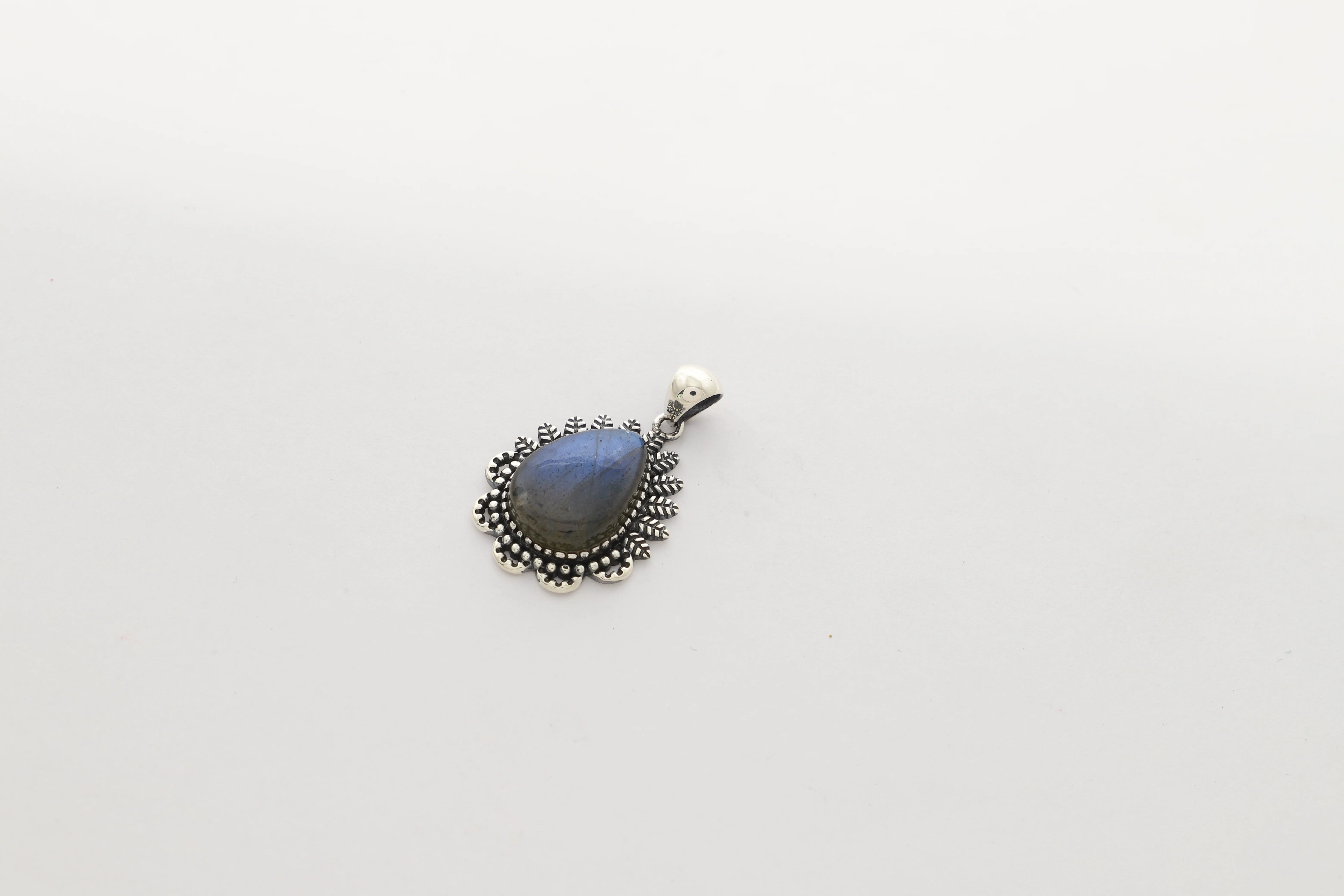
The most commercially popular style is selectively oxidized — pieces where the intentional darkening enhances texture and creates depth, while raised surfaces remain bright silver. This looks exceptionally rich in photographs and on gemstone-set pieces where the dark background makes colored stones glow by contrast.
Gemstones That Pair Best with Oxidized Silver
Certain gemstones look absolutely stunning against the dark backdrop of oxidized silver:
- Moonstone — The stone's ethereal glow intensifies against dark silver
- Labradorite — The color flash is dramatically enhanced by dark background contrast
- Ethiopian fire opal — The fiery play-of-color blazes against oxidized settings
- Turquoise — The blue-green of turquoise against dark silver is a classic bohemian pairing
- Rose quartz — The soft pink reads beautifully against deep charcoal silver
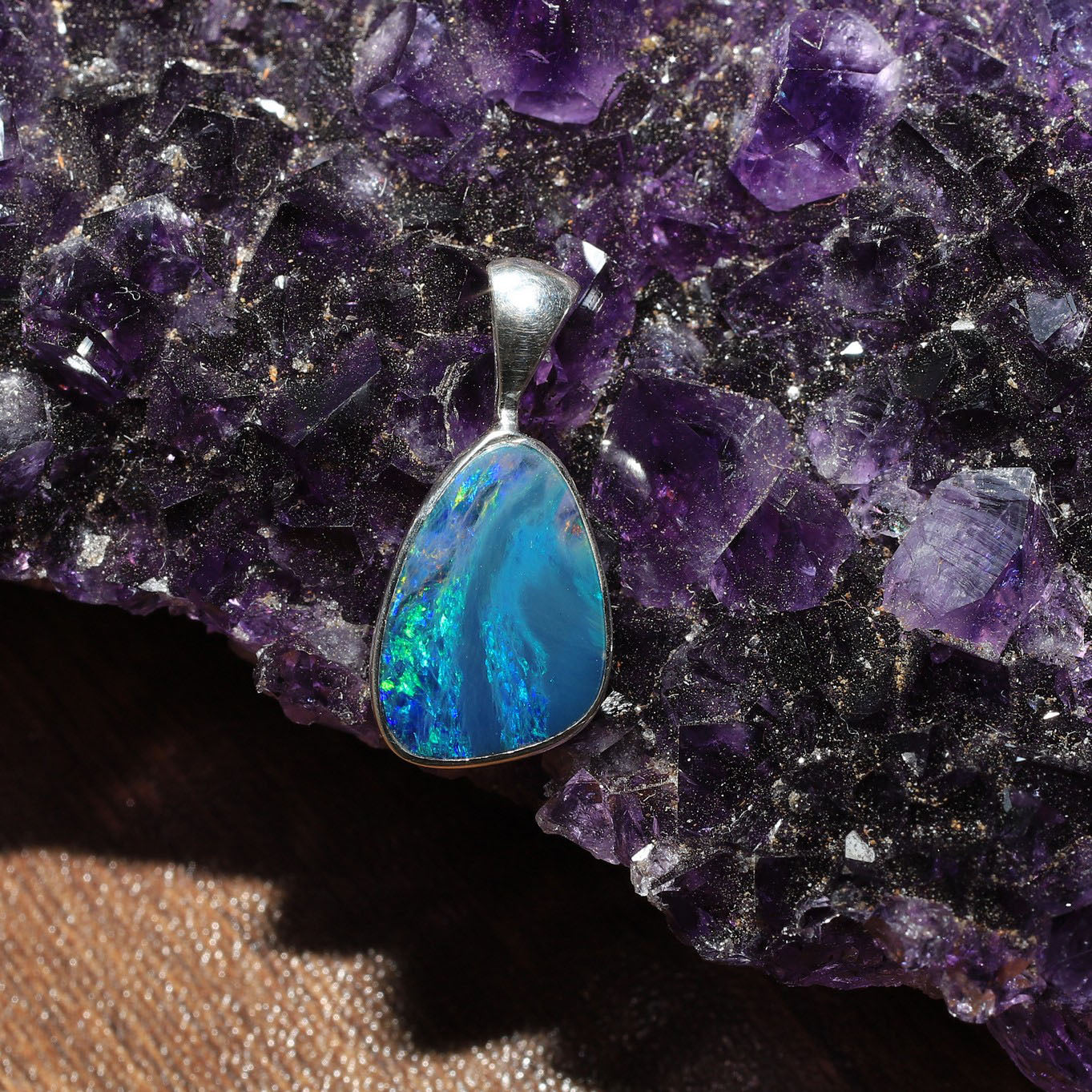
- Amethyst — Deep purple against black silver is visually striking and very photogenic
- Coral and carnelian — Warm orange-red tones against dark silver are bold and eye-catching
Natural Creations 925 produces oxidized sterling silver gemstone pieces using their 500+ artisans and in-house lapidary — the combination of skillful metalwork, carefully sourced natural stones, and deliberate oxidization creates some of the most visually compelling pieces in their wholesale catalog.
Is Oxidized Silver Permanent?
The oxidized patina on sterling silver is semi-permanent. It is significantly more stable than plating but will gradually lighten over time with:
- Regular polishing (intentional or from fabric friction)
- Chemical exposure (cleaning products, chlorine, strong acids)
- High-abrasion wear (rings on active hands)
On pieces worn infrequently (earrings, pendants), the oxidization typically lasts for years. On rings worn daily, it may require re-oxidization after 1–3 years.
Important for retailers: Advise customers that oxidized pieces should be cleaned only with a soft dry cloth on raised surfaces — never with silver polishing solutions, toothpaste, or commercial dips, all of which will strip the oxidization.
The Market for Oxidized Silver Jewelry
Oxidized silver jewelry performs strongly across multiple demographic segments:
Bohemian and festival markets — The antique, earthy aesthetic is a natural fit for boho-styled customers in both the USA and Australia who gravitate toward natural stones and artisanal-looking designs.
Gothic and alternative aesthetics — The dark finish appeals to buyers who want silver's quality without the bright, conventional look.
Vintage and antique revival customers — The UK and German markets in particular have strong appreciation for pieces that feel historically connected, Victorian-inspired, or heritage-crafted.
Men's jewelry — Oxidized silver reads more masculine than bright polish, making it a strong choice for men's rings, pendants, and bracelets.
Instagram and social media — Dark, textured pieces photograph beautifully. The contrast of a black-silver setting against a vivid gemstone creates compelling imagery in flat lays, close-ups, and live selling formats.
How to Care for Oxidized Sterling Silver Jewelry
Do:
- Wipe with a soft, dry cloth to remove surface dust or sweat
- Store separately from other jewelry to prevent scratching
- Store in anti-tarnish pouches
Don't:
- Use silver polishing cloths on oxidized pieces — they will remove the patina
- Submerge in liquid cleaning solutions
- Use ultrasonic cleaners
- Expose to pool chlorine or hot tubs
What does oxidized mean in jewelry?
Oxidized jewelry refers to pieces that have been deliberately darkened using a chemical process (usually liver of sulfur) to create an antique, aged appearance. On sterling silver, this creates a dark gray to black patina that highlights texture and metalwork detail.
Is oxidized silver real silver?
Yes — oxidized silver is genuine 925 sterling silver with a surface treatment applied. The underlying metal is identical in quality and composition to any other sterling silver piece.
Does oxidized silver tarnish?
Yes, but differently from bright silver. The dark oxidized surface is itself a form of controlled tarnish. Over time, the oxidization may wear off at high-contact points, returning those areas to bright silver. The dark patina in recessed areas tends to remain stable much longer.
How do I clean oxidized silver jewelry without removing the patina?
Use only a soft dry cloth, wiped gently on raised surfaces. Avoid all liquid cleaning solutions, polishing compounds, and chemical dips — all of these will strip the oxidization. The goal is to clean the bright raised areas without disturbing the dark recesses.
Why does oxidized silver jewelry cost more than bright silver?
Oxidized pieces require an additional manufacturing step (the oxidization and selective buffing process) and greater artisan skill to achieve a clean, consistent result. The extra labor is reflected in slightly higher wholesale pricing.
Open Your Wholesale Account Today
500+ artisans. In-house lapidary. 100% solar-powered. Same-day shipping on orders before 2 PM PST. Just your business license to get started.