Sterling Silver Jewelry Hallmarks Explained: How to Read the Stamps on Your Silver Pieces
Sterling Silver Jewelry Hallmarks Explained: How to Read the Stamps on Your Silver Pieces
Learn to read sterling silver jewelry hallmarks — what .925, STER, Lion Passant, and other global silver stamps mean and where to find them on your pieces.
A hallmark is a small stamp applied to a piece of jewelry to confirm its metal composition and quality. For 925 sterling silver, the hallmark is your guarantee that the piece contains 92.5% pure silver. Understanding what different marks mean — and how they vary by country — is essential knowledge for wholesale buyers, retailers, and serious jewelry consumers.
What Is a Hallmark?
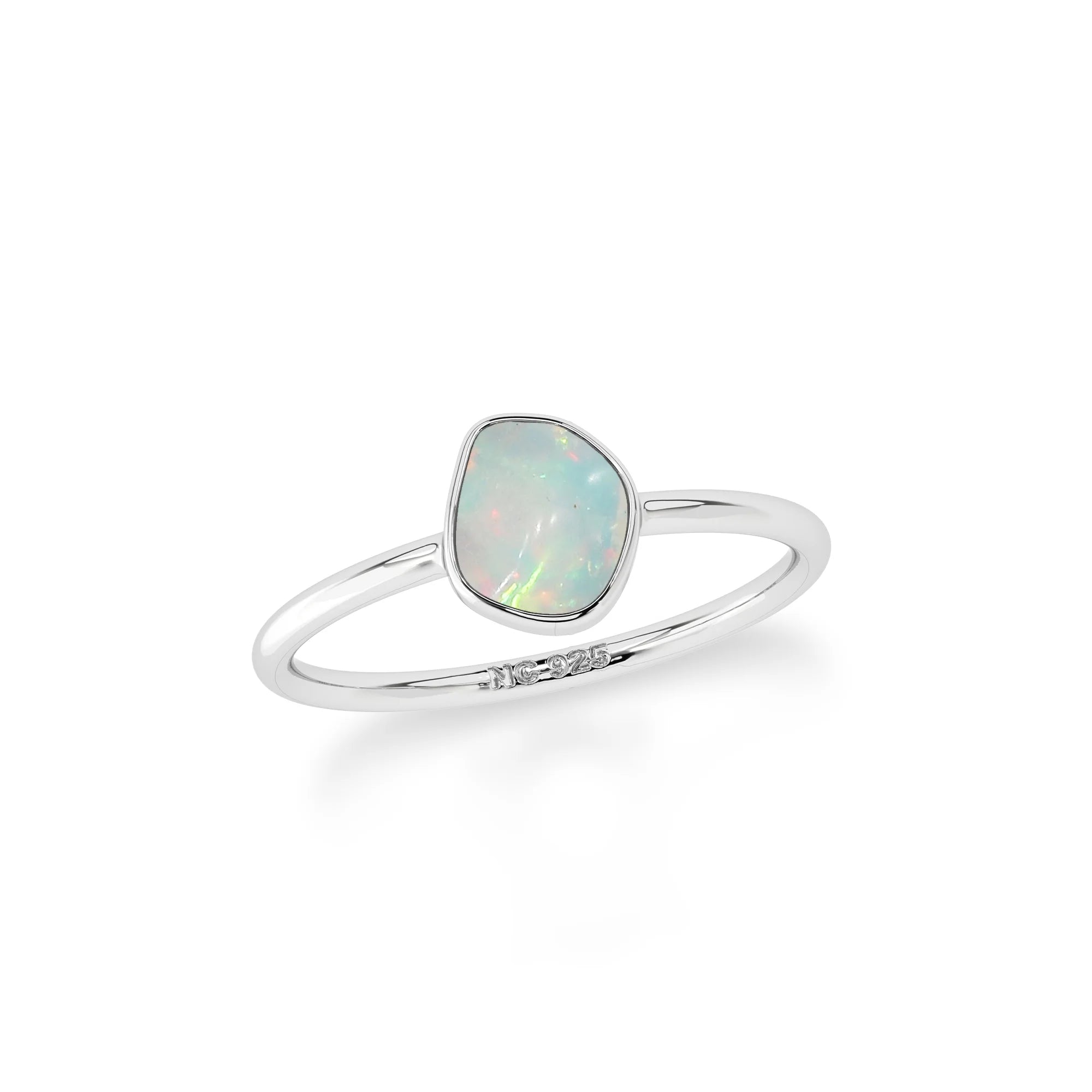
A hallmark is an official mark stamped, engraved, or laser-etched onto a metal item to certify its purity. Silver hallmarking originated in medieval Europe as consumer protection — preventing merchants from selling lower-purity metal at full silver prices.
Today, hallmarks serve the same purpose: they are the industry's assurance that a piece contains the silver content it claims.
The Universal 925 Hallmarks
| Mark | Format | Meaning |
|---|---|---|
| .925 | Numbers with decimal | 92.5% silver — international standard |
| 925 | Numbers without decimal | Same meaning as .925 |
| STERLING | Word | 92.5% silver — primarily used in USA and Canada |
| STER | Abbreviation | Same as STERLING |
| STG | Abbreviation | Sterling — less common abbreviation |
These marks are universally recognized and appear on silver jewelry from manufacturers worldwide, including all pieces produced by Natural Creations 925 in their factory.
Hallmarks by Country
United Kingdom
The UK has one of the world's oldest and most rigorous hallmarking systems, enforced by four Assay Offices (London, Birmingham, Sheffield, Edinburgh). UK hallmarks typically appear as a set of marks:
| Mark | Appearance | Meaning |
|---|---|---|
| Lion Passant | Walking lion profile | Sterling silver (92.5%) — England |
| Lion Rampant | Rearing lion | Sterling silver — Scotland |
| Millesimal fineness | "925" in rectangle | Metal purity |
| Sponsor's mark | Initials in shield | Manufacturer identifier |
| Date letter | Letter in shield | Year of assaying |
| Assay Office mark | Symbol | Which UK office verified it |
UK law requires hallmarking for silver items over a certain weight (7.78g). Unmarked pieces are technically illegal to sell as silver in the UK.
Germany
Germany uses a traditional hallmarking system with recognizable symbols:
| Mark | Meaning |
|---|---|
| Crescent moon + crown | German sterling silver standard (.800 or .925 — look for accompanying fineness) |
| .925 or 925 | Confirms 92.5% purity when combined with the crescent/crown |
| Maker's mark | Manufacturer identifier |
German buyers and consumers are highly attuned to quality markers. Natural Creations 925's use of German state-of-the-art manufacturing machinery is a credibility signal that resonates strongly in the German wholesale market.
USA
US hallmarking is voluntary but industry-standard:
| Mark | Meaning |
|---|---|
| .925 | 92.5% silver — standard manufacturer mark |
| STERLING | 92.5% silver — word form |
| STER | Abbreviation |
The FTC (Federal Trade Commission) governs silver marking standards. While voluntary, using incorrect purity marks is deceptive trade practice and subject to FTC enforcement.
Italy
Italy is a major global silver jewelry manufacturer with its own marking conventions:
| Mark | Meaning |
|---|---|
| 925 | Sterling silver |
| IT or ITALY | Country of origin (may appear) |
| Five-pointed star in oval | Precious metal guarantee mark |
France
| Mark | Meaning |
|---|---|
| Owl mark (hibou) | Imported silver — confirms fineness |
| Beetle mark | Small items |
| 925 | Millesimal fineness |
Australia
Australia follows voluntary hallmarking standards largely aligned with international practice:
| Mark | Meaning |
|---|---|
| 925 or .925 | Sterling silver |
| STERLING | Word form |
No mandatory Assay Office system exists in Australia, but reputable manufacturers and importers mark to international standards. Australian retailers should specifically verify supplier hallmarking practices.
Where to Find Hallmarks on Different Jewelry Types
| Jewelry Type | Where to Look |
|---|---|
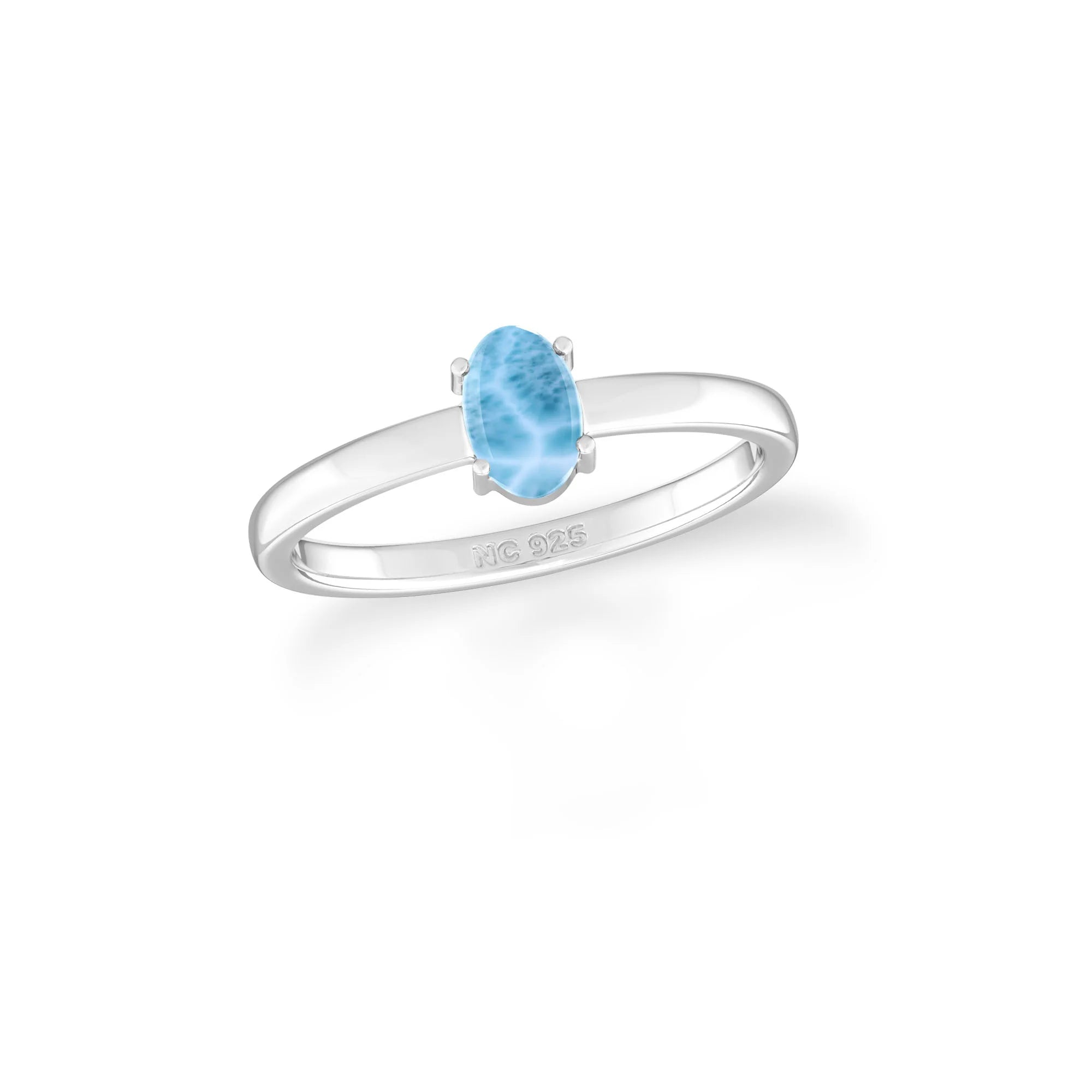
| Rings | Inside the band |
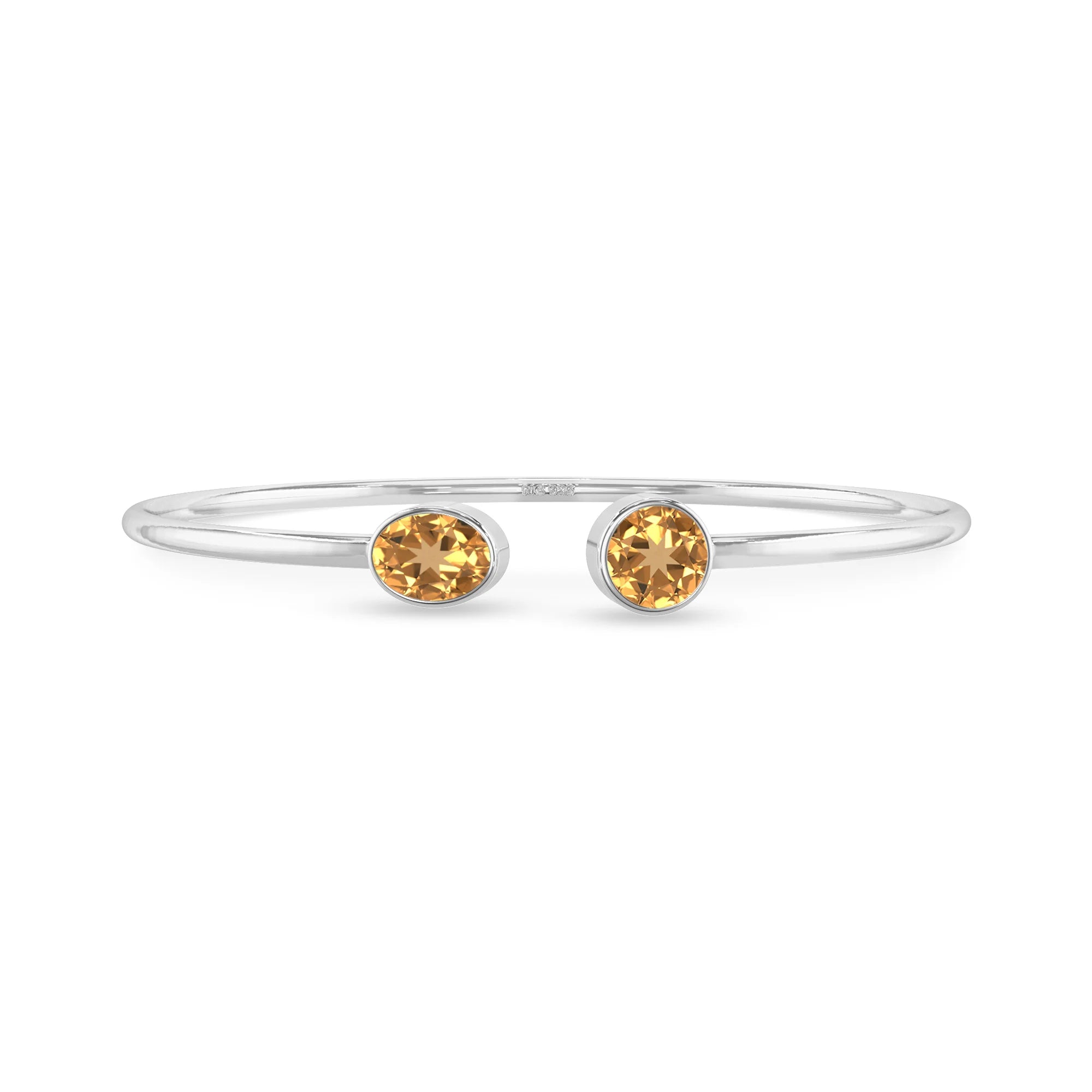
| Bracelets/bangles | Inside surface, near clasp |
| Necklaces/chains | On the clasp or within 2–3 cm of it |
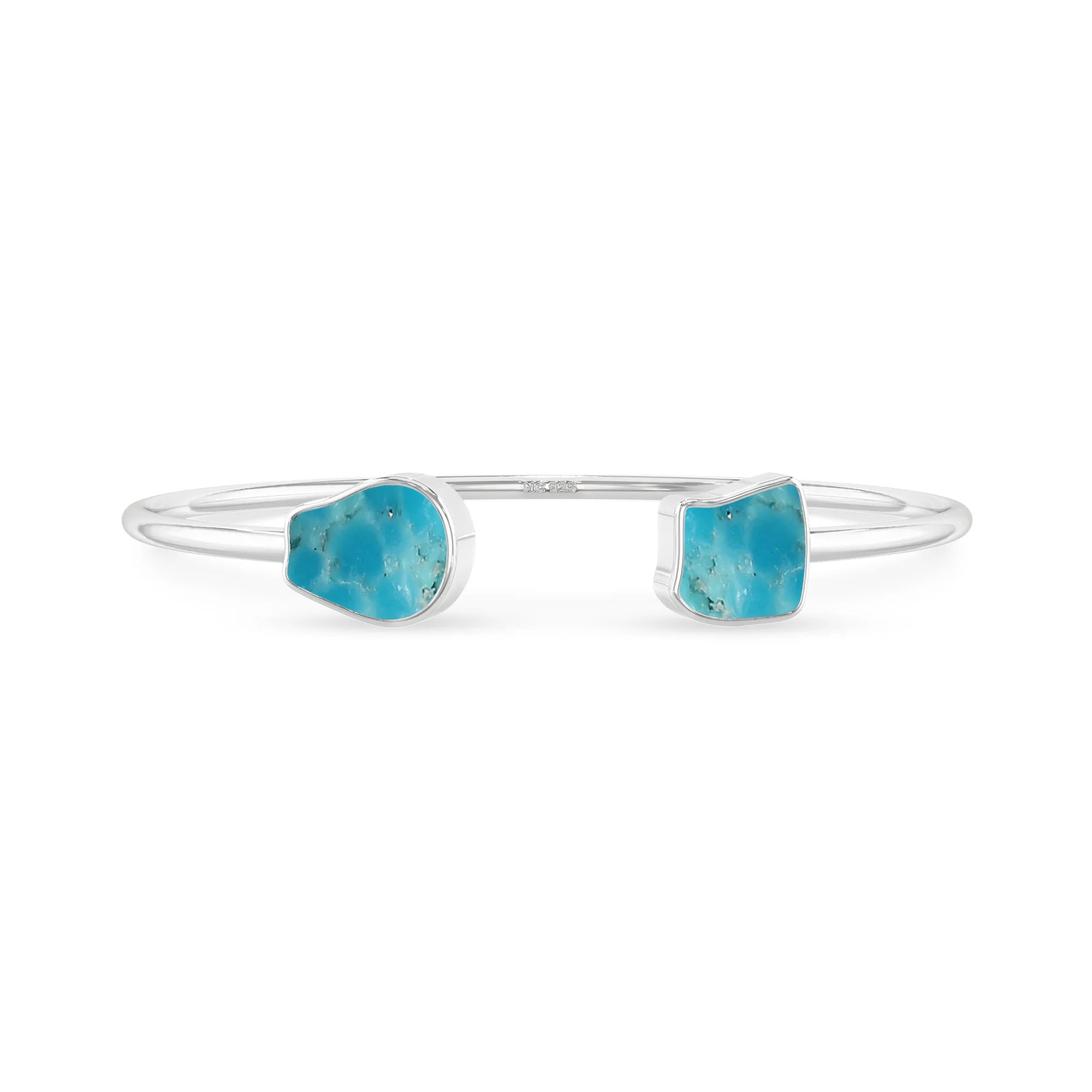
| Pendants | On the bail (loop connecting to chain) |
| Earrings (posts) | On the post shaft |
| Earrings (clips/hoops) | On the clip mechanism or inner hoop |
| Brooches | On the back plate |
Hallmarks are small by necessity — they shouldn't distract from the jewelry's appearance. A loupe (10x magnifying glass) makes reading stamps on fine jewelry much easier.
Silver Purity Marks vs. Silver Content
Not all silver is 925. Some pieces carry different purity marks:
| Mark | Silver Content | Notes |
|---|---|---|
| .999 / 999 | 99.9% (fine silver) | Too soft for most jewelry, used in coins/bars |
| .925 / 925 | 92.5% (sterling) | Industry standard for jewelry |
| .900 / 900 | 90% (coin silver) | Historical US standard, less common now |
| .800 / 800 | 80% | European standard for some markets |
| .925F | Sterling silver filled | Not solid silver |
| EP, EPNS | Electroplated — not silver | Silver coating on base metal |
A piece marked .800 is not sterling silver — it's lower purity. In the USA and UK, pieces sold as "sterling silver" must be .925 minimum.
Red Flags: What to Worry About
No hallmark at all — A genuine 925 piece should always be stamped. Absence of hallmarking suggests substandard metal, poor quality control, or deliberate misrepresentation.
"German Silver," "Nickel Silver," or "Alpaca Silver" — These contain NO actual silver. They are copper-nickel alloys with a silver-like appearance. The names are misleading holdovers.
"Silver tone" or "silver color" — Marketing language that specifically avoids the word "silver" — means the piece is base metal with silver-colored finish.
.830 or lower marks — Below sterling standard; technically legal in some markets but not sterling silver.
What does the .925 stamp on jewelry mean?
The .925 stamp means the piece is sterling silver — an alloy containing 92.5% pure silver. It is the international standard hallmark for fine silver jewelry and confirms the metal composition.
Is jewelry without a hallmark fake?
Not necessarily — some very small, very fine pieces may not have room for a visible hallmark, and in some markets (USA, Australia) hallmarking is voluntary. However, a missing hallmark should prompt further verification. Most reputable manufacturers like Natural Creations 925 stamp all pieces consistently.
What is the Lion Passant mark on silver?
The Lion Passant (walking lion profile) is the British silver hallmark indicating sterling silver quality, applied by UK Assay Offices. It is one of the oldest continuously used quality marks in the world, dating to 1544.
Why does German silver jewelry look different from British or American hallmarks?
Each country developed its own hallmarking tradition before international standards were harmonized. German silver traditionally uses a crescent moon and crown mark alongside a purity number. British silver uses the Lion Passant system with date letters. US and Australian silver follows the simpler .925/STERLING text mark system.
Do wholesale jewelry suppliers need to provide hallmark certificates?
For basic fashion and wholesale silver jewelry, the hallmark on the piece itself is the standard documentation. For high-value precious stone pieces (emerald, sapphire, ruby), gemological certificates and more formal documentation may be appropriate and can be requested from manufacturers.
Open Your Wholesale Account Today
500+ artisans. In-house lapidary. 100% solar-powered. Same-day shipping on orders before 2 PM PST. Just your business license to get started.