
Wholesale Silver Jewelry with No Minimum Order: What to Look For Before You Buy
Wholesale Silver Jewelry with No Minimum Order: What to Look For Before You Buy
Wholesale silver jewelry no minimum order sounds ideal — but hidden costs and quality trade-offs can hurt your margins. Here's what to evaluate before buying.
Wholesale silver jewelry with no minimum order means you can place a purchase order for as few as one piece at listed wholesale pricing — but the real question is whether the per-unit cost, quality, and supplier reliability actually make that flexibility worth it. For many retailers, especially those just starting out, no-minimum suppliers look like the safest entry point. In practice, the math tells a more complicated story.
This guide breaks down what "no minimum" actually means in the jewelry wholesale market, where the hidden costs live, when low-MOQ sourcing genuinely makes sense, and how to evaluate whether a factory-direct relationship with moderate minimums delivers better long-term value.
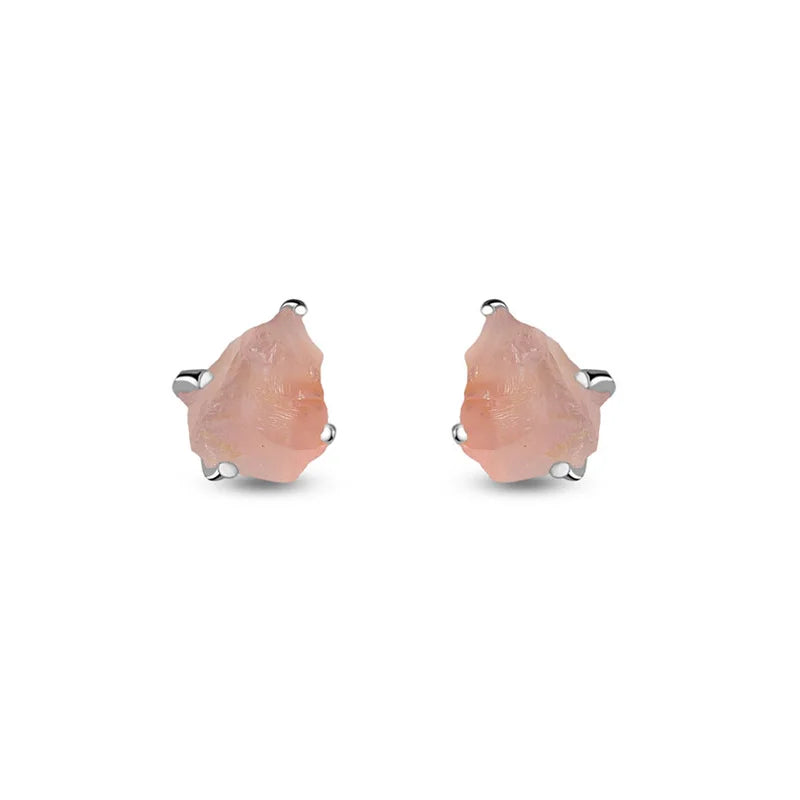
What Does "No Minimum Order" Actually Mean in Wholesale Jewelry?
In the strictest sense, no minimum order quantity (MOQ) means a supplier will sell you wholesale-priced sterling silver jewelry without requiring you to buy a set number of pieces per order or per style. You could theoretically order a single ring at a wholesale price.
But here is what most buyers don't realize until after their first order: "no minimum" almost never means "no conditions." The flexibility comes packaged with trade-offs that aren't always visible on the product listing page.
Common conditions attached to no-minimum wholesale accounts:
- Higher per-unit pricing. The listed "wholesale" price for a no-MOQ order is typically 15-40% higher than the price offered at volume tiers.
- Flat-rate shipping fees that disproportionately affect small orders, sometimes adding $15-$45 to a three-piece purchase.
- Limited style access. The most popular or new-release designs may only be available at minimum quantity thresholds.
- No customization. Custom stamping, stone changes, or design modifications require volume commitments.
- Slower fulfillment windows. Small orders are often deprioritized behind bulk shipments.
The phrase "no minimum order" is a marketing feature, not a business model. Every supplier has margins to protect, and when the order size drops, those margins get recovered somewhere else in the transaction.
What Are the Hidden Costs of Low-MOQ Silver Jewelry Suppliers?
This is where most new retailers get caught. The sticker price looks reasonable, but the total cost of acquisition tells a different story.
Per-Piece Price Inflation
A sterling silver gemstone ring that costs $8.50 at a 50-piece minimum might be listed at $12.00-$14.00 from a no-minimum supplier. That $4-$6 difference doesn't sound dramatic until you calculate its impact on retail margins.
Margin impact example:
| Scenario | Wholesale Cost | Retail Price | Gross Margin | Margin % |
|---|---|---|---|---|
| No-minimum supplier | $13.00 | $38.00 | $25.00 | 65.8% |
| 25-piece MOQ supplier | $9.50 | $38.00 | $28.50 | 75.0% |
| 50-piece MOQ (factory-direct) | $7.00 | $38.00 | $31.00 | 81.6% |
On a single piece, the difference is a few dollars. Across 500 pieces over a year, you have left $2,500-$3,000 on the table — money that could have funded marketing, packaging, or your next inventory buy.
Shipping Cost Per Unit
Small orders carry disproportionate shipping costs. A $35 shipping charge on a 100-piece order adds $0.35 per unit. That same $35 on a 3-piece order adds $11.67 per piece — effectively doubling your cost basis on lower-priced items.
Quality Inconsistency
Suppliers who accept single-piece orders across thousands of SKUs are rarely manufacturing those pieces themselves. They are aggregators or middlemen sourcing from multiple factories, which means:
- Sterling silver purity can vary between orders (some pieces might test below .925)
- Stone quality fluctuates because they are pulling from different lapidary sources
- Finishing standards differ — one batch polished to mirror quality, the next arriving with visible casting marks
- Rhodium plating thickness varies, affecting tarnish resistance
When a piece comes from a single factory with in-house quality control — somewhere with its own lapidary cutting stones on-site and trained artisans handling every step — consistency is built into the process. When a middleman fulfills your no-minimum order by pulling stock from three different workshops, consistency becomes a gamble.
Does No Minimum Order Mean Lower Quality Silver?
Not automatically, but the correlation is strong enough to warrant caution.
Here is why: manufacturing sterling silver jewelry at genuine wholesale prices requires scale. A factory needs to run casting machines, employ skilled setters, maintain lapidary equipment, and manage quality inspection — all of which have fixed costs. Those costs get distributed across production volume.
When a supplier profitably sells you a single piece at a low price point, one of these things is likely happening:
- The "wholesale" price isn't truly wholesale. It's a retail-adjacent price marketed as wholesale.
- Material costs are lower. Thinner silver, lighter weight pieces, lower-grade stones, or minimal rhodium plating.
- Labor costs are cut. Less inspection, less skilled finishing, faster (sloppier) stone setting.
- They're a middleman adding margin. The piece passed through two or three hands before reaching you, each adding markup.
At Natural Creations 925, over 500 artisans — 75% of them women — work inside a single 60,000-square-foot solar-powered factory where every piece moves from raw silver casting through in-house lapidary stone cutting to final quality inspection under one roof. That vertical integration is what makes genuine wholesale pricing possible, but it's also why a factory like that sets minimum order quantities: the production infrastructure is designed for consistent volume, not one-off picks.
The trade-off is straightforward. Factory-direct pricing reflects real manufacturing costs distributed efficiently. No-minimum pricing reflects the premium you pay for someone else to absorb the inefficiency of small-batch fulfillment.
When Does Buying Wholesale Silver Jewelry with No Minimum Actually Make Sense?
Despite the cost disadvantages, there are legitimate scenarios where no-minimum ordering is the right call.
Are You Testing a New Product Category?
If you've never sold turquoise jewelry before and want to gauge customer interest before committing to a 50-piece buy, ordering 5-10 pieces at a higher per-unit cost is a reasonable market test. The premium you pay is essentially research and development spend.
Are You a Brand-New Business with Limited Capital?
A startup with $500 in inventory budget simply cannot place a $2,000 factory-direct order. No-minimum suppliers serve as a bridge — a way to get product on shelves or on a Live stream while you build revenue toward larger orders.
Do You Need to Fill Gaps in Existing Inventory?
Your bestselling moonstone pendant sold out and your next factory order doesn't arrive for three weeks. Ordering a handful of pieces from a no-minimum source to avoid a stockout can protect revenue that would otherwise be lost.
Are You Testing a New Supplier's Quality?
Before committing to a large order with any supplier, placing a small test order is smart procurement. If the no-minimum option lets you evaluate silver quality, stone grading, and finishing standards before a bigger buy, it's money well spent.
The pattern: No-minimum ordering works best as a tactical tool, not a long-term sourcing strategy. The retailers who build sustainable margins are the ones who graduate from no-minimum testing into volume-based factory-direct relationships as quickly as their cash flow allows.
How Do Different MOQ Structures Compare for Silver Jewelry Wholesale?
Not all minimum order requirements are structured the same way. Understanding the differences helps you evaluate which model fits your business stage.
| MOQ Structure | Typical Requirement | Best For | Watch Out For |
|---|---|---|---|
| No minimum (per piece) | 1+ pieces, any style | Testing, startups, gap filling | Higher per-unit cost, quality inconsistency |
| Low MOQ (per style) | 3-5 pieces per design | Small boutiques, niche retailers | Limited color/stone options within styles |
| Order minimum (dollar value) | $150-$500 total order | Growing businesses, mixed orders | May push you to add filler items to meet threshold |
| Production MOQ (per style) | 25-50+ pieces per design | Established retailers, custom orders | Requires inventory planning and capital |
| Factory-direct (volume tiers) | 50-100+ pieces, tiered pricing | Volume retailers, distributors, Live sellers | Best per-unit pricing; needs cash flow and storage |
What most buyers miss: A $300 order minimum with factory-direct pricing often delivers better per-piece value than a no-minimum order of the same dollar amount. The minimum is on total spend, not per-design quantity, so you can still mix styles across your order.
Many factory-direct suppliers also structure their programs to make entry accessible. Natural Creations 925, for example, exports to over 40 countries and ships same-day on orders placed before 2 PM PST — the kind of operational speed typically associated with no-minimum dropship suppliers, but backed by factory-direct pricing and single-source quality control.
What Should You Look for in Any Wholesale Silver Jewelry Supplier, Regardless of MOQ?
Whether you're ordering one piece or one thousand, these quality and reliability indicators matter more than the minimum order policy.
Is the Silver Genuinely .925 Sterling?
Ask for assay certificates or hallmark documentation. Reputable manufacturers stamp every piece and can provide material verification. If a supplier can't confirm silver purity with documentation, the low price might be explained by low silver content.
Where Are the Stones Cut and Sourced?
Suppliers with in-house lapidary facilities control stone quality from rough to finished cut. Middlemen buy pre-cut stones from whoever offers the lowest batch price, which means your amethyst cabochons might come from a different source every order — different color saturation, different cut precision, different calibration accuracy.
Can You Verify the Manufacturing Source?
A supplier who can show you their factory, name their production location, and explain their quality control process is a fundamentally different business than one operating as a curated storefront for anonymous manufacturers. Factory-direct means one point of accountability. Aggregator models mean your complaint gets relayed through a chain.
What Is the Return and Quality Guarantee Policy?
No-minimum suppliers often have stricter return policies because their margins on small orders are thin. Factory-direct suppliers with production MOQs typically offer more flexible quality guarantees because they control every step and can absorb the cost of replacing a defective piece.
How Fast and Reliable Is Fulfillment?
Consistency matters more than speed. A supplier who ships in two days 90% of the time is more valuable than one who promises overnight shipping but delivers in seven days when stock runs low. Look for specific shipping commitments — same-day cutoff times, tracking on every order, and clear communication about backorder timelines.
How Do You Transition from No-Minimum Buying to Factory-Direct Sourcing?
The smartest retailers use no-minimum suppliers as a stepping stone, not a permanent home. Here is a practical transition path:
Phase 1 — Test and Learn (months 1-3): Order small quantities from no-minimum sources. Track which stones, styles, and price points your customers respond to. Accept the higher per-unit cost as tuition.
Phase 2 — Identify Winners (months 3-6): Your sales data now tells you which categories move. If moonstone rings outsell garnet three to one, you know where to concentrate your first volume order.
Phase 3 — Place a Factory-Direct Test Order (month 6): Approach a manufacturer with your data. A focused order of your top-selling categories at production MOQ will immediately improve your margins by 15-25%.
Phase 4 — Build the Relationship (months 6-12): Factory-direct relationships improve over time. You gain access to new designs before general release, negotiate better pricing at higher tiers, and unlock custom design capabilities — none of which are available through no-minimum channels.
Phase 5 — Use No-Minimum Strategically (ongoing): Keep a no-minimum source for emergency restocks and category testing, but run 80-90% of your inventory through your factory-direct relationship where margins are strongest.
Is wholesale silver jewelry with no minimum order more expensive per piece?
Yes. Suppliers offering no-minimum wholesale silver jewelry typically charge 15-40% more per piece than factory-direct sources with MOQ requirements. The higher price compensates for the logistical inefficiency of picking, packing, and shipping small orders. Over a year of purchasing, this premium can reduce your gross margin by thousands of dollars compared to volume-based sourcing.
How can I tell if a no-minimum supplier is selling genuine .925 sterling silver?
Request assay documentation or hallmark certification before ordering. Genuine .925 sterling silver should be stamped on every piece. You can also purchase a silver testing kit ($15-$30) to verify purity when your first order arrives. If a supplier resists providing purity documentation, consider it a red flag — reputable manufacturers like those operating dedicated facilities with in-house quality control stamp and certify every piece as standard practice.
What is the best MOQ structure for a new jewelry business?
For businesses in their first six months, a total-dollar-value minimum ($150-$500 per order) offers the best balance of pricing and flexibility. It lets you mix styles and stone types across your order without committing to large quantities of any single design. As your sales data clarifies which categories perform, transition toward factory-direct production MOQs for your proven sellers while using low-MOQ sources for testing new categories.
Can I get custom designs from no-minimum wholesale suppliers?
Rarely. Custom design work — modified settings, exclusive stone combinations, proprietary stampings, or private-label branding — requires production commitment because the manufacturer invests time and tooling into your specific design. Factory-direct suppliers with custom programs typically require minimum quantities per custom design, but the result is exclusive inventory that differentiates your brand from every other retailer buying off the same no-minimum catalog.
Should I use multiple wholesale silver jewelry suppliers at the same time?
Using two to three suppliers strategically is common among successful retailers. A primary factory-direct supplier for your core inventory (best pricing, consistent quality), a secondary source for categories your primary doesn't cover, and optionally a no-minimum supplier for emergency restocks and market testing. Avoid spreading orders across too many suppliers — you lose volume leverage, quality becomes harder to standardize, and managing multiple vendor relationships consumes time better spent on sales.
Open Your Wholesale Account Today
500+ artisans. In-house lapidary. 100% solar-powered. Same-day shipping on orders before 2 PM PST. Just your business license to get started.