
What Is 925 Sterling Silver and What Does 925 Sterling Silver Mean? The Complete Explanation for Jewelry Buyers
What Does 925 Sterling Silver Mean? The Complete Explanation for Jewelry Buyers
What does 925 mean on silver jewelry? Learn exactly what 925 sterling silver is, why it's the standard, and how to identify genuine pieces.
925 sterling silver means the metal contains 92.5% pure silver and 7.5% other metals — typically copper — forming a durable, lustrous alloy that is the global standard for fine silver jewelry. The ".925" stamp you see on silver pieces is the hallmark that confirms this composition.
This is one of the most searched questions in jewelry — and for good reason. Whether you're buying sterling silver jewelry for yourself, sourcing it wholesale, or selling it to customers, understanding what 925 means is foundational.
Why 92.5% and Not 100% Pure Silver?
Pure silver — called fine silver, stamped as .999 — is remarkably soft. In its unalloyed state, fine silver bends and scratches far too easily to survive daily wear as a ring, bracelet, or necklace. A fine silver ring would deform after just a few wearings.
By alloying silver with 7.5% copper (or occasionally zinc, germanium, or platinum in premium alloys), manufacturers create a metal that:
- Retains silver's brilliant white luster
- Becomes strong enough to hold gemstone settings securely
- Resists denting and bending under normal wear
- Can be cast, hammered, soldered, and worked with precision
The 92.5% silver content is high enough to retain all the beauty and value of silver. The 7.5% alloy provides the working properties that make jewelry possible. This balance, arrived at over centuries of silversmithing practice, is why 925 became the international standard.
The History of the Sterling Silver Standard
The term "sterling" has disputed origins, but the most widely accepted history traces it to medieval England, where a particular silver alloy coin — refined to 92.5% purity — was used for trade. The standard was formalized in Britain in 1300 AD and has been the benchmark for silver jewelry globally ever since.
Today, the 925 standard is recognized in:
- The United States (stamped .925, STER, or STERLING)
- The United Kingdom (Assay Office hallmarked with Lion Passant + .925)
- Germany (Crescent moon + crown mark + .925)
- Australia (voluntary, follows international .925 standard)
- Virtually every major jewelry market worldwide
What the .925 Stamp Looks Like
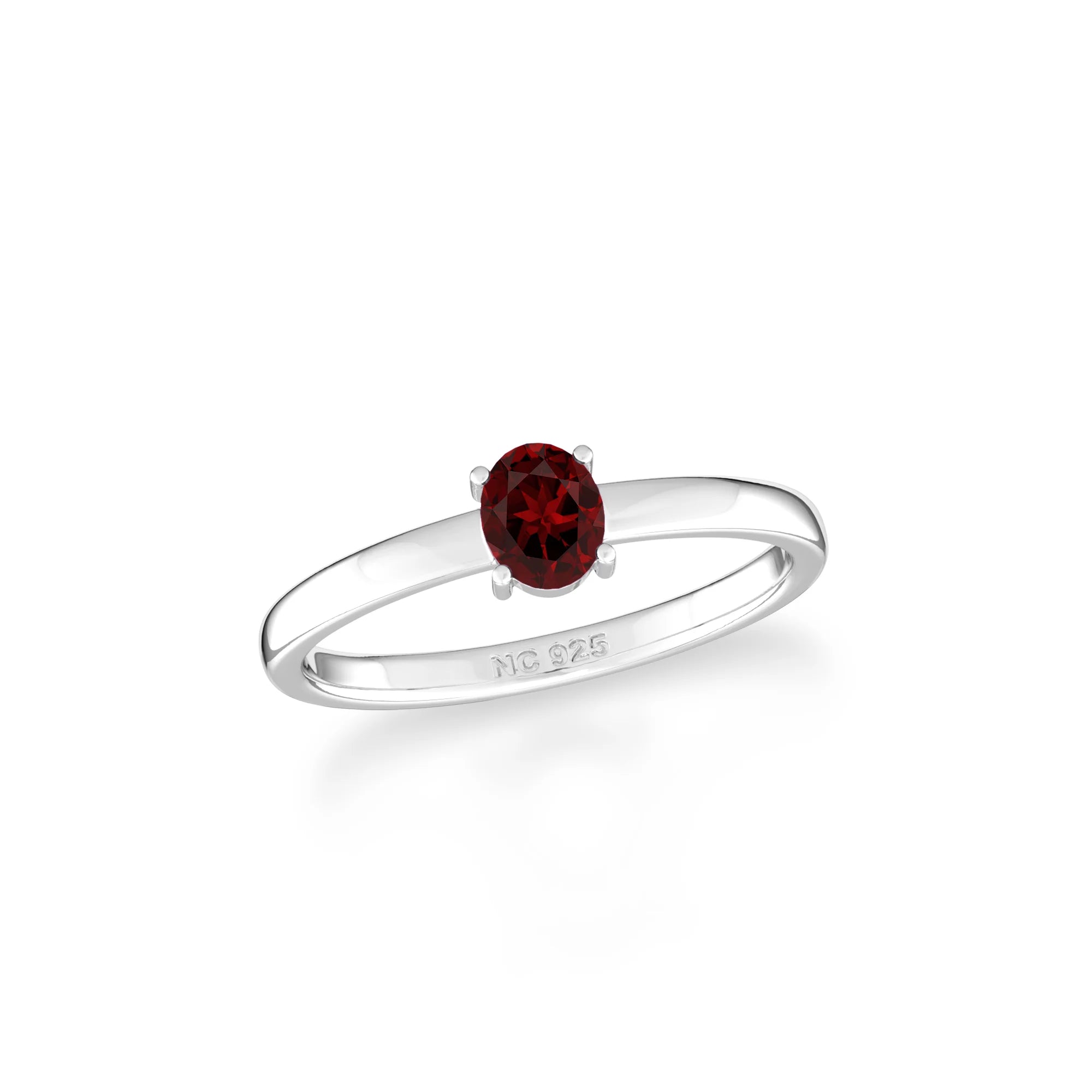
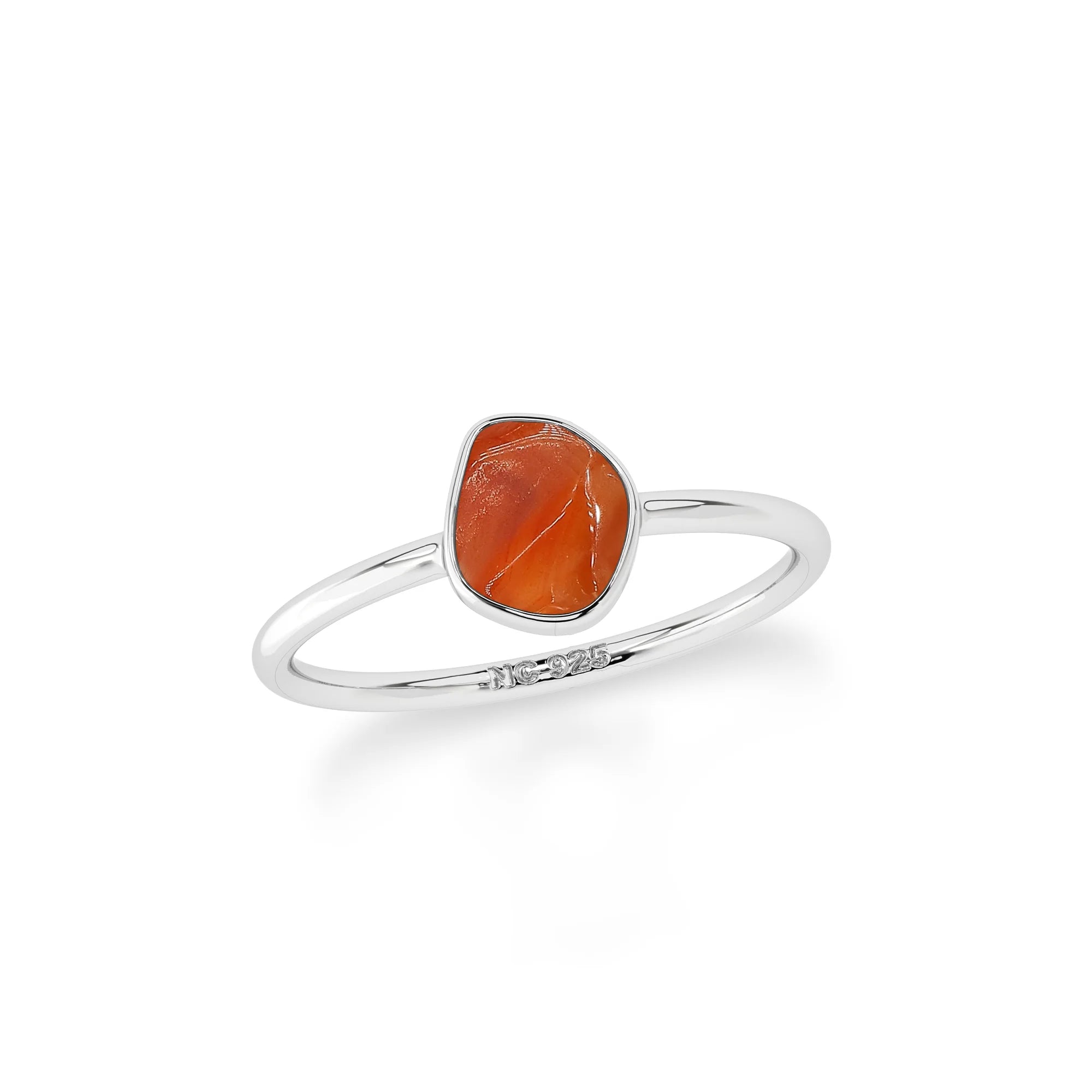
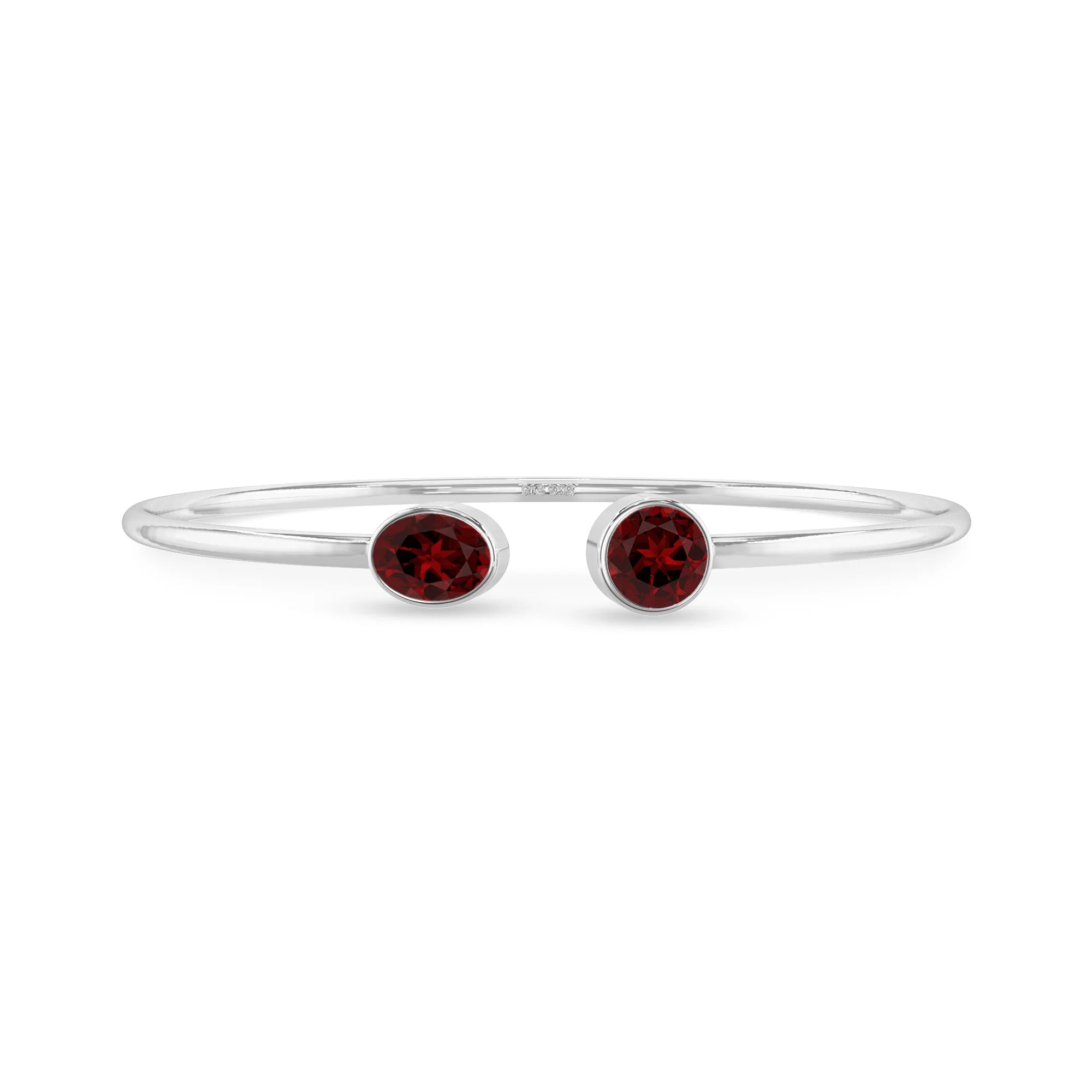
The hallmark on sterling silver jewelry appears as:
| Mark | Used In | Appearance |
|---|---|---|
| .925 | Global standard | Numbers stamped in small block or oval |
| 925 | Alternate format | Same digits, without the decimal |
| STERLING | USA | Word stamped on piece |
| STER | USA abbreviation | Abbreviated stamp |
| 925 + Lion Passant | UK | Combined British Assay mark |
| Crescent + Crown + 925 | Germany | Traditional German silver mark |
Where to find the hallmark:
- Rings: Inside the band
- Necklaces and bracelets: On the clasp or within 2–3 cm of the clasp
- Earrings: On the post, back, or ear wire
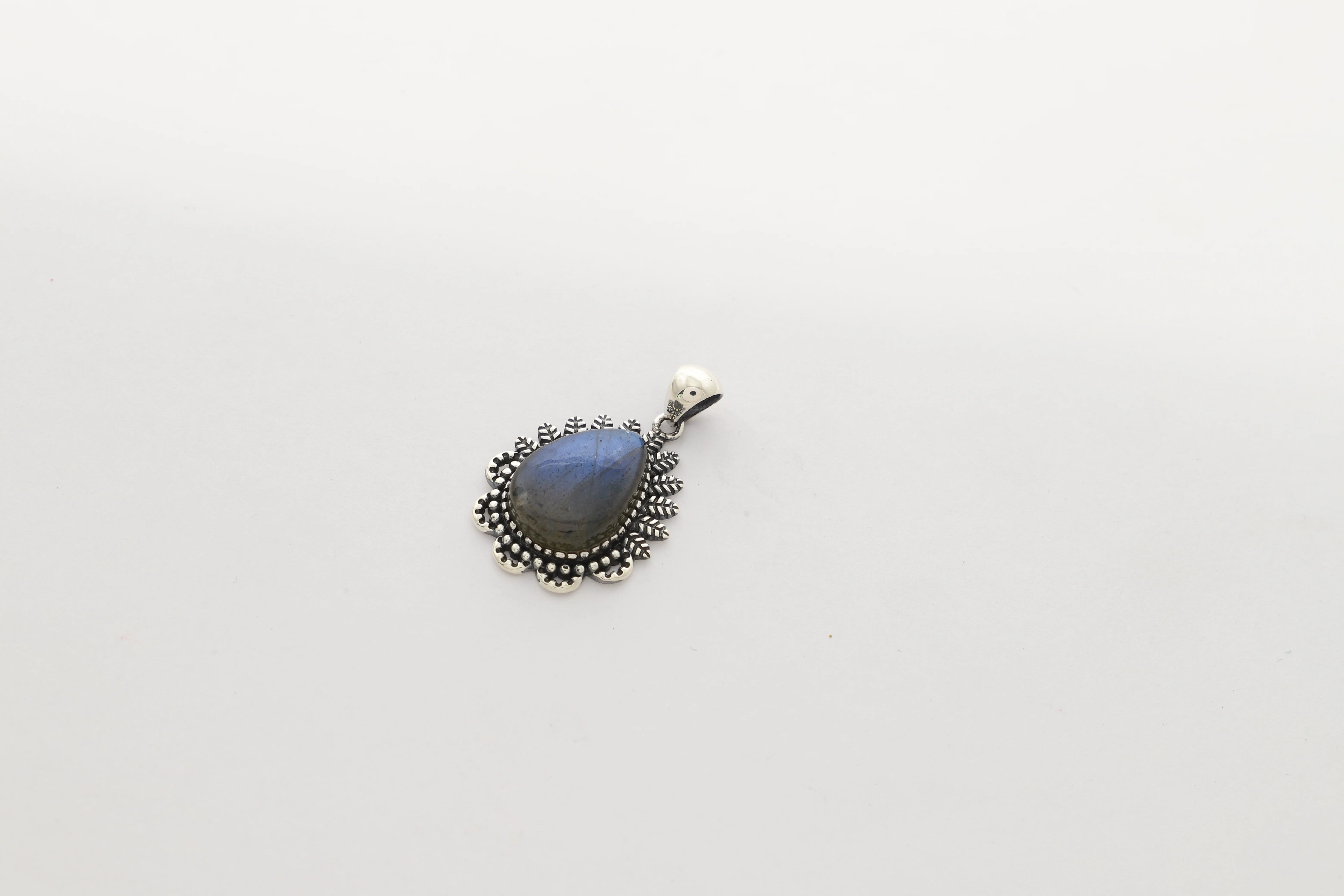
- Pendants: On the bail (the loop that connects to the chain)
If a piece is genuinely 925 sterling silver, the hallmark will be present. Its absence is a serious red flag.
925 Sterling Silver vs. Other Silver Types
| Type | Silver Content | Durability | Value |
|---|---|---|---|
| Fine Silver (.999) | 99.9% | Very soft — not suitable for most jewelry | Highest silver purity |
| Sterling Silver (.925) | 92.5% | Strong, wearable, industry standard | High |
| Silver-Filled | ~5% silver over brass core | Moderate — silver layer thicker than plating | Medium |
| Silver-Plated | Thin coating over base metal | Low — coating wears off | Low |
| Nickel Silver ("German Silver") | 0% actual silver | N/A — it's a copper-nickel alloy | No silver value |
Important: "Nickel silver" or "German silver" contains no actual silver whatsoever, despite the name. It's an entirely different metal. Always look for the .925 hallmark to confirm genuine sterling silver.
Will Sterling Silver Tarnish?
Yes — and that's completely normal. Tarnish is a surface reaction between the silver alloy (primarily the copper component) and sulfur compounds in the air. It appears as a yellow-to-brown-to-black darkening and is reversible.
Tarnish does not mean the piece is not real silver. In fact, genuine sterling silver tarnishes in a characteristic way — evenly, across the surface — while silver-plated base metal tends to chip, flake, or show the underlying metal color at wear points.
To slow tarnishing:
- Store pieces in anti-tarnish pouches or cloth
- Keep jewelry away from perfume, chlorine (pools), and household chemicals
- Polish with a soft silver cloth when tarnish appears
Why 925 Sterling Silver Is the Standard for Wholesale Gemstone Jewelry
For wholesale gemstone jewelry, 925 sterling silver is the universal choice for several reasons:
- Price accessibility — At a fraction of gold's cost, silver makes gemstone jewelry accessible to a broad market
- Setting strength — The alloy is strong enough to hold delicate prong and bezel settings securely
- Neutral color — Silver's white-gray tone complements virtually every gemstone color
- Market recognition — Buyers worldwide understand and trust the .925 mark
- Recyclability — Silver is infinitely recyclable, which appeals to sustainability-conscious consumers
At Natural Creations 925, the ".925" in the brand name is the brand's promise — every piece produced in their factory carries the .925 hallmark, manufactured to the global sterling silver standard using German precision machinery and quality-controlled by 500+ skilled artisans.
Is 925 silver real silver?
Yes — 925 sterling silver is genuine silver. It contains 92.5% pure silver, which is the internationally recognized standard for silver jewelry. It is not silver-plated, silver-filled, or a simulation.
Is 925 sterling silver good quality?
Yes — 925 sterling silver is the industry standard for quality silver jewelry worldwide. It is used by everyone from mass-market manufacturers to high-end jewelry houses. The 92.5% silver content ensures both beauty and durability.
Will 925 sterling silver turn my finger green?
It depends on your skin's pH and the piece's copper content. The copper in the 7.5% alloy can occasionally react with skin acids to leave a temporary greenish mark — especially on rings. This is harmless and not a sign of poor quality. Higher-quality silver alloys and proper finishing can minimize this tendency.
What is the difference between 925 and 999 silver?
925 sterling silver is 92.5% pure silver alloyed with copper for durability — the standard for jewelry. 999 fine silver is 99.9% pure silver, which is very soft and generally used for silver bars, coins, and some specialized jewelry applications rather than everyday wearable pieces.
How do I know if my silver is 925?
Look for the .925 stamp or hallmark (inside a ring band, on a clasp, or on the back of earrings). A magnet test (real silver is not magnetic) provides additional confirmation. For definitive verification, a jeweler's acid test is the gold standard.
Open Your Wholesale Account Today
500+ artisans. In-house lapidary. 100% solar-powered. Same-day shipping on orders before 2 PM PST. Just your business license to get started.