
How to Dropship Sterling Silver Jewelry: Quality Control Guide for Resellers
How to Dropship Sterling Silver Jewelry: Quality Control Guide for Resellers
Learn how to dropship sterling silver jewelry without sacrificing quality. Vet suppliers, avoid fake silver, and build a reliable reselling business with this g
Dropshipping sterling silver jewelry can be a profitable, low-overhead business model — but only if you control for quality at every stage, because your customers will blame you, not your invisible supplier, when a ring turns green or a stone falls out after two weeks. This guide breaks down the dropship model for silver jewelry specifically, walks you through the quality risks that sink most resellers, and gives you a concrete vetting checklist so you can partner with a supplier who protects your brand rather than destroying it.
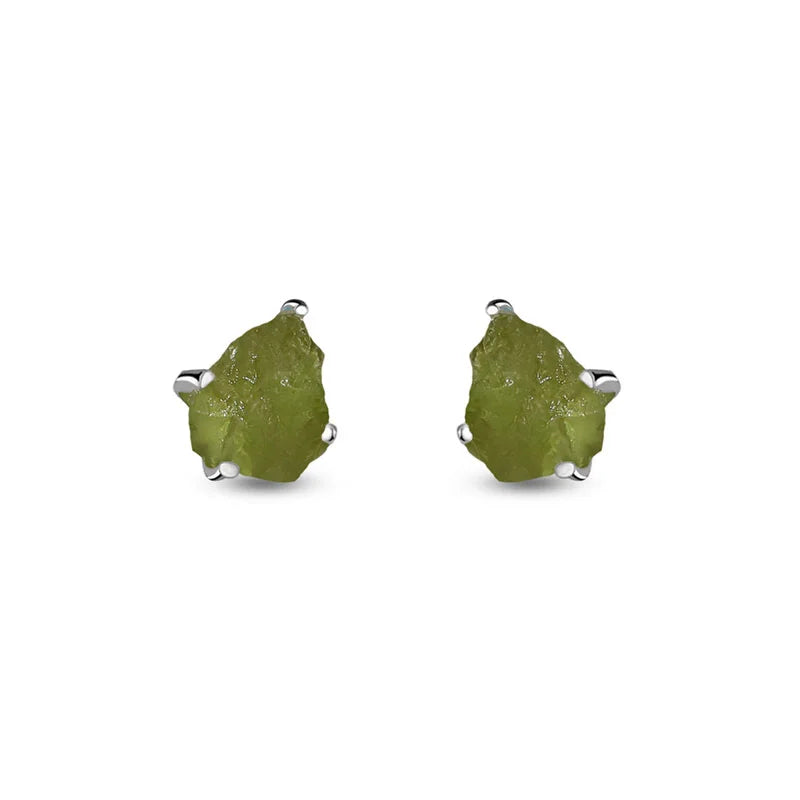
What Does the Dropship Model Actually Look Like for Silver Jewelry?
In a standard dropship arrangement, you list products on your website or marketplace (Shopify, Etsy, Amazon Handmade, eBay), take orders from retail customers, and forward those orders to a supplier who ships directly to your buyer. You never touch the inventory. Your profit is the gap between your retail price and the supplier's wholesale cost, minus platform fees and advertising spend.
For silver jewelry specifically, the model works like this:
- You curate a catalog — choosing styles, gemstones, and price points from your supplier's inventory
- You market and sell — building your brand, running ads, managing your storefront
- Your supplier fulfills — picking, packing, and shipping each order under your branding (or plain packaging)
- Your customer receives — and their experience with the product determines whether they come back or leave a one-star review
The appeal is obvious: no upfront inventory investment, no warehouse lease, no packing stations. But the tradeoff is equally obvious — you are staking your reputation on a supplier you may have never visited, selling products you may have never held in your hand.
That tradeoff is manageable for commodity goods like phone cases or candles. For sterling silver jewelry, where material authenticity, stone security, and finish quality are all variables that directly affect customer satisfaction, the tradeoff becomes dangerous without rigorous quality control.
What Are the Biggest Quality Risks When You Dropship Sterling Silver Jewelry?
Every reseller who has burned through a supplier knows these failure modes. Understanding them upfront saves you months of refund requests and damaged reviews.
Is the Silver Actually Sterling?
The single most damaging quality failure is receiving — and shipping to your customers — jewelry that is not genuine 925 sterling silver. "925" means 92.5% pure silver alloyed with 7.5% copper (or another hardening metal). What some low-cost suppliers ship instead:
| Material | What It Actually Is | How It Fails | Customer Experience |
|---|---|---|---|
| Silver-plated brass | Thin silver coating over base metal | Plating wears off within weeks, exposing yellow or green base metal | Skin discoloration, tarnish that cannot be polished away, allergic reactions |
| Nickel silver | Copper-zinc-nickel alloy with zero actual silver | No silver content whatsoever despite the misleading name | Immediate tarnishing, contact dermatitis in sensitive wearers |
| Low-purity silver | 800 or 850 silver sold as 925 | Tarnishes faster, feels different in weight | Gradual trust erosion when pieces age poorly compared to genuine sterling |
| Genuine 925 sterling | 92.5% silver, 7.5% copper alloy | Normal patina over time; polishes back easily | Long-lasting, hypoallergenic for most people, holds gemstones securely |
If you are dropshipping and never inspecting product, you are trusting your supplier's word — and potentially their supplier's word — that the metal is what they claim. One batch of plated brass shipped under your brand name can generate enough chargebacks and negative reviews to destroy six months of marketing work.
Do the Gemstones Stay in Place?
Loose stones are the second most common complaint in silver jewelry dropshipping. A prong that was not properly burnished, a bezel that was not fully pressed, or a setting that was sized incorrectly for the stone will eventually release that stone — usually within the first month of wear. Your customer opens a ring box, wears it to dinner, and the amethyst falls into a restaurant sink. That is a refund, a negative review, and a lost customer in a single evening.
Does the Jewelry Tarnish Abnormally Fast?
All sterling silver tarnishes — that is normal chemistry, not a defect. But the rate matters. Properly finished sterling silver with an anti-tarnish coating or rhodium plating should look good for months under normal wear conditions. Jewelry that arrives pre-tarnished, develops black spots within days, or leaves marks on skin indicates either impure metal, poor finishing, or complete absence of post-production treatment.
Are Clasps and Findings Functional?
Lobster clasps that do not spring back. Earring posts that bend on first insertion. Toggle bars that slip through their rings. Jump rings that are not soldered closed. These small-component failures account for a surprising percentage of returns in the dropship channel because the reseller never had a chance to catch them before the customer did.
How Do You Vet a Dropship Supplier Before Committing?
Vetting a sterling silver jewelry supplier for dropship is not the same as vetting a t-shirt printer. The material has intrinsic value, the craftsmanship is visible, and the customer's skin will touch the product for hours every day. Here is how to evaluate properly.
Do They Manufacture or Just Distribute?
This is the first and most important question. A manufacturer controls the metal alloy, the stone sourcing, the setting process, and the finishing. A distributor buys finished goods from someone else — often from multiple factories across different countries — and resells them. When something goes wrong, a distributor has limited ability to fix the root cause because they do not control the production floor.
Factory-direct suppliers can show you their casting equipment, their lapidary department, their quality control stations. They can tell you the exact silver alloy composition because they mixed it. Distributors and trading companies typically cannot.
Can They Provide Assay Certificates or XRF Test Results?
Any legitimate sterling silver manufacturer can provide documentation proving metal purity. An XRF (X-ray fluorescence) test gives a precise elemental breakdown of the alloy. If a supplier hesitates when you ask for test documentation, that hesitation tells you everything you need to know.
Will They Send Sample Orders?
Before listing a single product, order samples. Not five or ten pieces — order at least 20 to 30 across different categories (rings, earrings, pendants, bracelets) and different gemstones. Inspect each piece for:
- Hallmark stamp — every piece should be stamped 925
- Stone security — press gently on each stone; it should not move or click
- Clasp function — open and close every clasp 20 times
- Surface finish — check for pitting, rough edges, uneven polish
- Weight — genuine sterling has a specific heft that plated brass cannot replicate
What Is Their Return and Defect Policy?
A supplier who will not accept returns on defective merchandise is telling you that defective merchandise is a regular occurrence in their production. Reputable manufacturers stand behind their quality because their defect rate is low enough that returns do not threaten their margins.
What Should Your Quality Checklist Look Like Before You Commit to a Supplier?
Use this checklist before signing any dropship agreement. Every "no" answer is a risk factor; more than two "no" answers should disqualify the supplier.
Dropship Sterling Silver Jewelry Quality Checklist
| Checkpoint | What to Verify | Red Flag if Missing |
|---|---|---|
| Metal purity documentation | 925 assay certificate, XRF test results, or hallmark verification | Supplier cannot prove metal content — likely sourcing from unverified third parties |
| In-house manufacturing | Factory photos, production videos, facility address you can verify | Stock photos, vague "we work with multiple factories" language |
| Stone sourcing transparency | Where rough stones come from, whether cutting is done in-house or outsourced | Cannot name stone origins; buys pre-set finished goods from aggregators |
| Sample order availability | Willing to sell 20–30 mixed samples at wholesale pricing | Refuses samples or requires massive minimum order before you can inspect anything |
| Defect/return policy | Clear written policy for defective items, missing stones, wrong items shipped | No return policy, or return window shorter than 7 days |
| Shipping speed and tracking | Same-day or next-day fulfillment with tracking numbers on every order | Vague "3–5 day processing" with no tracking until shipment leaves the facility |
| Branded packaging options | Custom boxes, tissue, cards, or at minimum plain unbranded packaging | Ships in supplier-branded packaging that exposes your source to your customer |
| Consistent inventory availability | Real-time or daily-updated inventory feed; backorder communication protocol | Frequent out-of-stock surprises after your customer has already paid |
Print this checklist. Use it on every potential supplier. The suppliers who pass every checkpoint are the ones worth building a business on.
Why Does Factory-Direct Dropship Beat Middleman Dropship?
The difference between factory-direct and middleman dropshipping is not just about price — although price matters. It is about control, consistency, and the ability to resolve problems at the source.
The Middleman Chain Problem
When you dropship through a middleman (a trading company, an aggregator platform, or a distributor who sources from multiple overseas factories), the supply chain looks like this:
Mine → Stone cutter → Jewelry factory → Trading company → Distributor → You → Customer
Every link in that chain adds cost, removes transparency, and introduces a point where quality can degrade without anyone noticing until the customer complains. The trading company may switch factories between orders to chase a lower price. The distributor may not inspect incoming inventory. You have no visibility into any of it.
The Factory-Direct Advantage
When you dropship directly from the manufacturer, the chain collapses:
Mine → Factory (cuts stones + makes jewelry) → You → Customer
A vertically integrated manufacturer — one that operates its own lapidary for stone cutting and its own production floor for jewelry fabrication — controls the entire process from rough stone to finished piece. That vertical integration is what makes consistent quality possible at scale.
Natural Creations 925, for example, operates a 60,000 square foot factory where over 500 artisans handle every stage from stone cutting to final polish under one roof. When a reseller reports a quality issue, the correction happens on the same production floor that made the piece — not through a chain of emails across three countries and two time zones. Their same-day shipping policy on orders placed before 2 PM PST means your dropship customers receive product on timelines that compete with Amazon, which matters enormously for customer retention.
The Price Advantage Is Real but Secondary
Factory-direct pricing eliminates one or two markup layers, typically saving the reseller 20–40% compared to middleman pricing on equivalent quality. That margin advantage matters. But the quality consistency advantage matters more, because one viral negative review costs you far more than the cumulative savings from cheaper sourcing.
Why Is the Return Policy the Most Overlooked Factor in Dropship Quality?
Most new dropship resellers focus on product selection, pricing, and shipping speed. They gloss over the return policy — and regret it within the first quarter.
Here is why returns matter disproportionately in sterling silver jewelry dropshipping:
Jewelry is personal. Unlike a commodity product, jewelry is worn on the body. If a ring does not fit, if an earring irritates the skin, if a pendant arrives with a dull finish, the emotional disappointment is sharper than receiving a defective phone charger. That emotional weight drives reviews.
Your return policy depends on your supplier's return policy. If your supplier will not accept returns on items that your customer returns to you, you eat the cost. Multiply that across dozens of monthly orders and your margins evaporate.
Defect resolution speed signals supplier quality. A manufacturer that resolves defect claims within 48 hours — replacing the item, issuing credit, or explaining the root cause — is a manufacturer that tracks quality data and uses it to improve. A supplier that takes two weeks to respond to a defect claim is a supplier drowning in defect claims.
When evaluating any dropship partner, ask these specific questions about returns:
- What is the defect return window? (Minimum acceptable: 30 days)
- Who pays return shipping on confirmed defective items?
- Do you replace defective items or only issue credit?
- What is your average defect rate across all SKUs?
- Can you provide quality inspection documentation for each shipment?
A supplier confident in their quality — particularly a manufacturer with 75% or more of their workforce dedicated to hands-on craftsmanship, as you find with operations that prioritize artisan skill over machine-only production — will answer every one of those questions without hesitation.
How Do You Build a Sustainable Dropship Sterling Silver Jewelry Business?
Quality control is the foundation, but sustainability requires a few additional practices:
Order Samples from Every New Collection
Even with a trusted supplier, every new product line deserves a sample review before you list it. Gemstone batches vary. New designs may have untested setting styles. A ten-minute inspection per piece prevents a hundred hours of customer service later.
Track Customer Complaints by SKU
Build a simple spreadsheet that logs every complaint against the specific product SKU. After 50–100 orders per SKU, you will have statistically meaningful defect rate data. Any SKU with a defect rate above 3% should be pulled from your catalog and reported to your supplier for investigation.
Invest in Your Own Product Photography
Even if your supplier provides product images, shooting your own photos (ordered samples give you this opportunity) differentiates your listing from every other reseller using the same supplier images. Original photography also lets you inspect product quality firsthand on a regular basis — a secondary quality control loop built into your marketing workflow.
Communicate Shipping Timelines Honestly
Dropship shipping is only as fast as your supplier's fulfillment operation. If your supplier ships same-day on orders before a specific cutoff, communicate that clearly. If fulfillment takes 48 hours, say so. Customers forgive reasonable shipping timelines; they do not forgive broken promises.
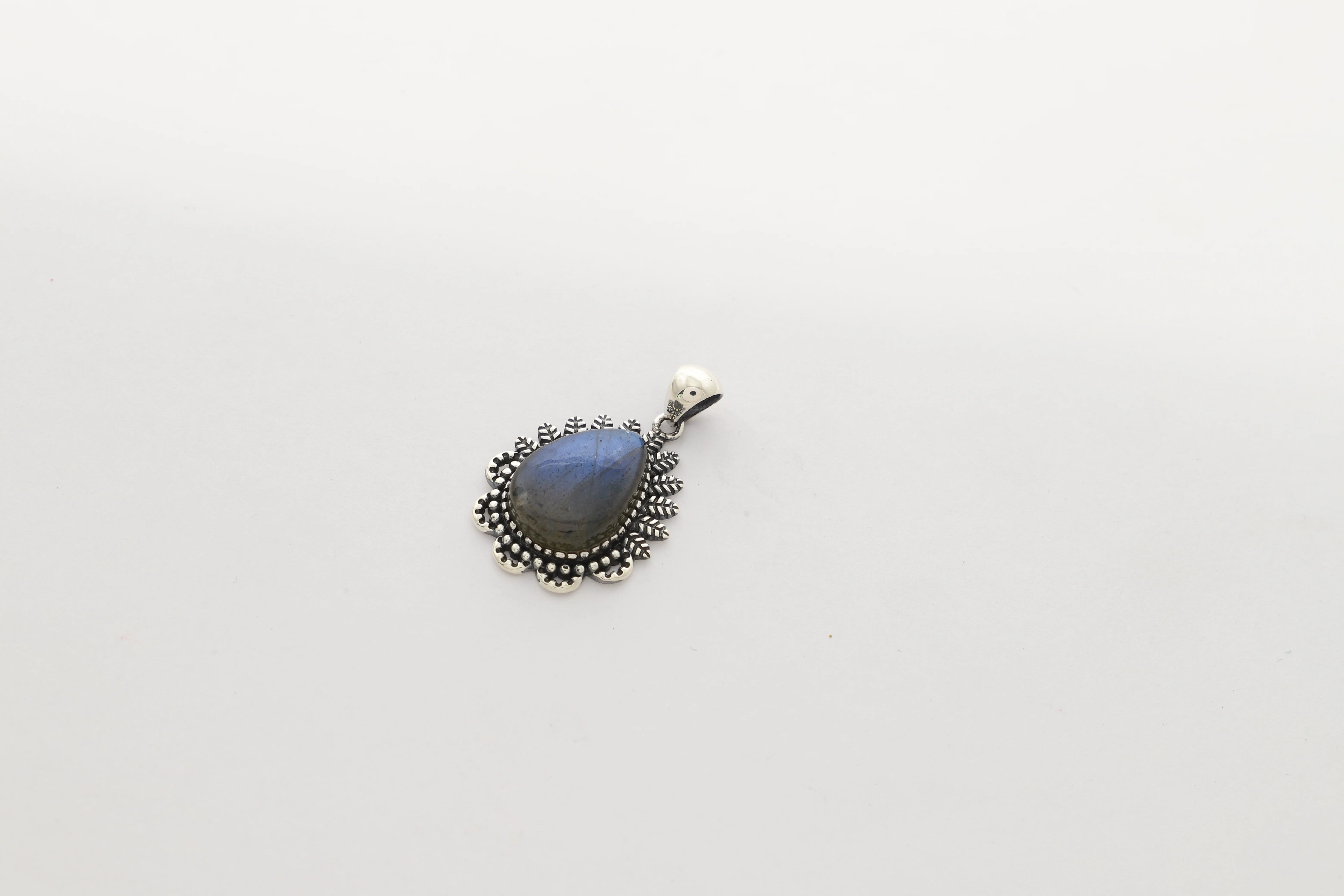
How can I verify that dropshipped silver jewelry is genuine 925 sterling?
Request XRF test results or assay certificates from your supplier before listing any product. When you receive samples, check for a 925 hallmark stamp on every piece. For ongoing verification, purchase a portable silver testing solution (available for under $15) and spot-test items from periodic sample orders. Genuine 925 sterling silver has a specific weight and feel that distinguishes it from plated alternatives after you have handled enough of both.
What profit margins should I expect when dropshipping sterling silver jewelry?
Healthy retail margins on dropshipped sterling silver jewelry range from 2.5x to 4x the wholesale cost, depending on your market positioning and the gemstones involved. A ring that costs $12 wholesale can retail for $30 to $48. Your actual net margin after platform fees (typically 8–15%), advertising costs, and occasional returns usually lands between 25% and 40%. Factory-direct sourcing maximizes this margin by eliminating middleman markups.
Is dropshipping sterling silver jewelry legal, and do I need any licenses?
Dropshipping itself is legal in all major markets. However, selling jewelry described as "sterling silver" is subject to truth-in-advertising regulations. In the United States, the FTC requires that any item marketed as sterling silver must contain at least 92.5% pure silver. Mislabeling base metal or plated jewelry as sterling is a federal offense. This is another reason sourcing from a verified manufacturer with documented metal purity is non-negotiable. Check your state and local requirements for a general business license and sales tax collection obligations.
How do I handle sizing issues when I never touch the product?
Sizing is the most common reason for jewelry returns in any channel, including dropship. Mitigate this by publishing a detailed size guide on your store with printable ring sizers and bracelet measurement instructions. Some suppliers offer free resizing on rings within a window — ask your supplier whether this service is available. Listing accurate inner diameter measurements in millimeters (not just US ring sizes) reduces international sizing confusion for customers in the UK, Europe, and Australia.
Can I build a real brand through dropshipping, or will I always be seen as a reseller?
You can absolutely build a recognizable brand through dropshipping if you invest in original product photography, develop your own brand voice through content marketing, and choose a supplier who supports white-label or unbranded packaging. The key differentiator is whether your customer experience — from website design to unboxing to post-purchase support — feels cohesive and intentional. Many successful jewelry brands started as dropship operations and transitioned to holding select inventory as they scaled, using the dropship model as a low-risk proving ground for product-market fit.
Open Your Wholesale Account Today
500+ artisans. In-house lapidary. 100% solar-powered. Same-day shipping on orders before 2 PM PST. Just your business license to get started.