
The Most Popular Types of Gemstone Settings in Sterling Silver Jewelry (Bezel, Prong, Pavé, and More)
The Most Popular Types of Gemstone Settings in Sterling Silver Jewelry (Bezel, Prong, Pavé, and More)
Learn about every major gemstone setting type used in 925 sterling silver jewelry — bezel, prong, pavé, channel, tension, and cluster settings explained.
Understanding jewelry settings makes you a better buyer, a better seller, and a more confident advisor to your customers. A gemstone setting is the metalwork that holds a stone in place within a jewelry piece — and each type affects how the stone looks, how secure it is, and how much light it reflects.
This guide covers every major setting type used in 925 sterling silver gemstone jewelry, with notes on which stones work best with each and what the differences mean for wholesale buyers.
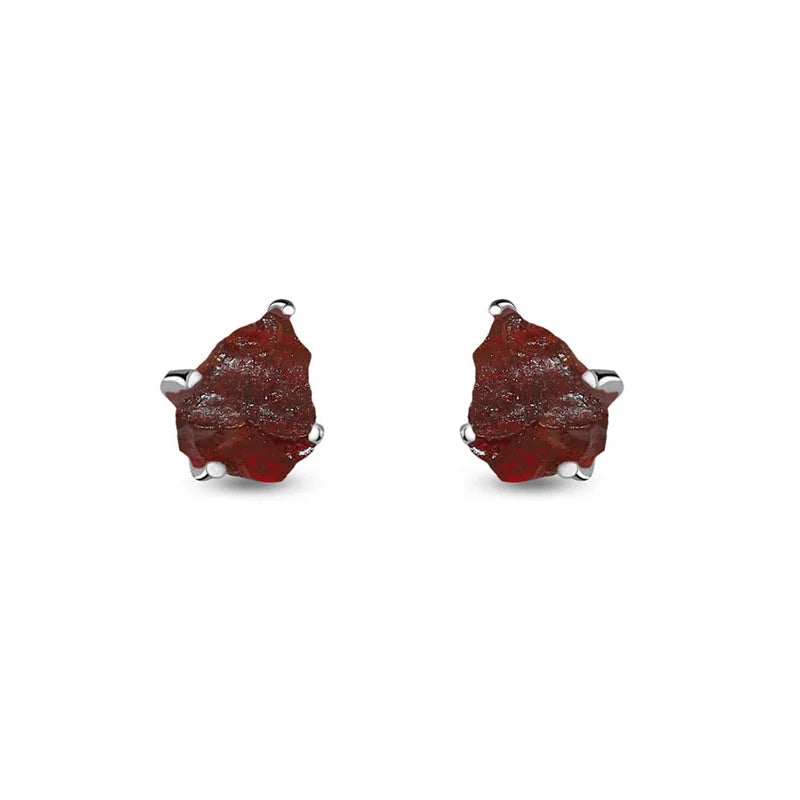
1. Bezel Setting
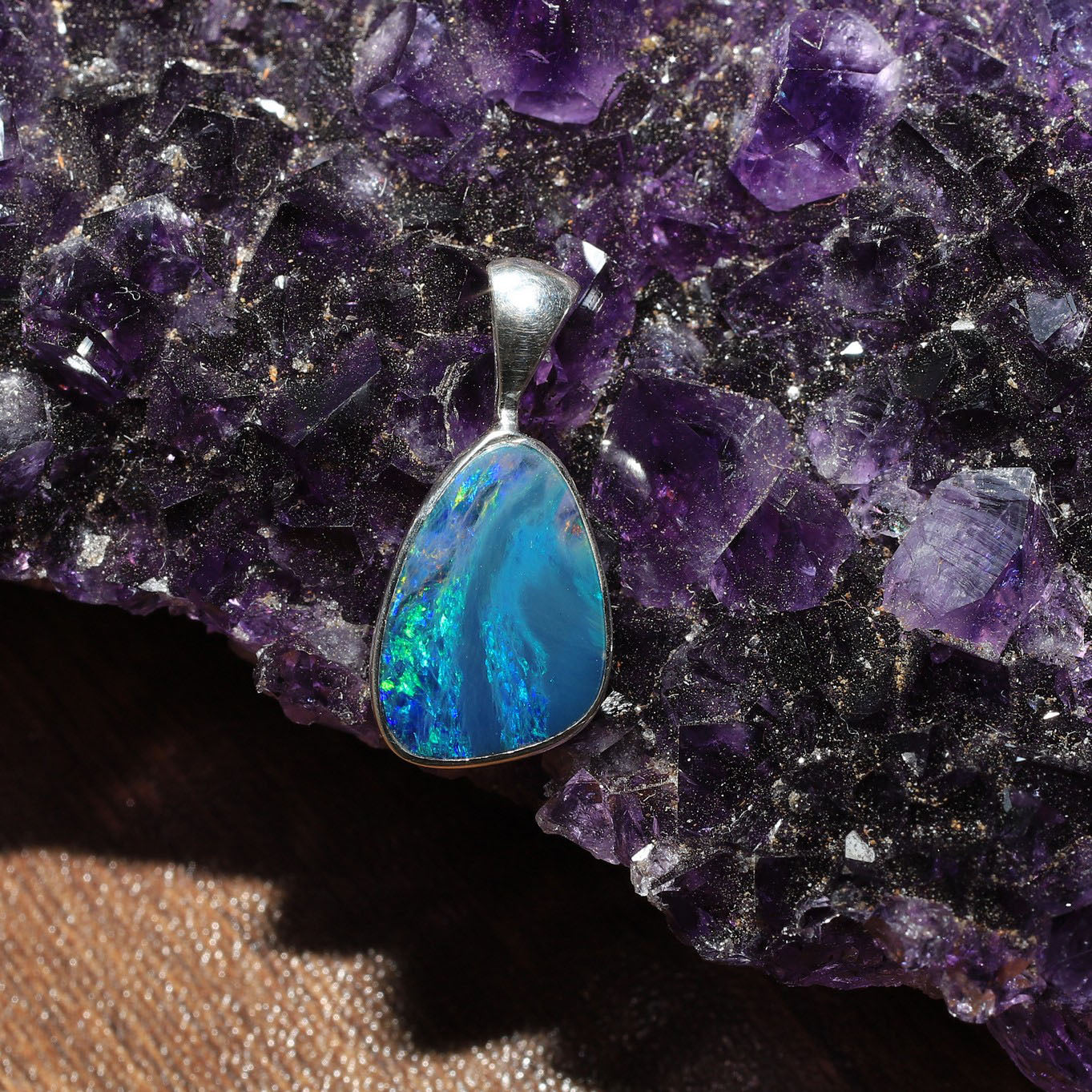
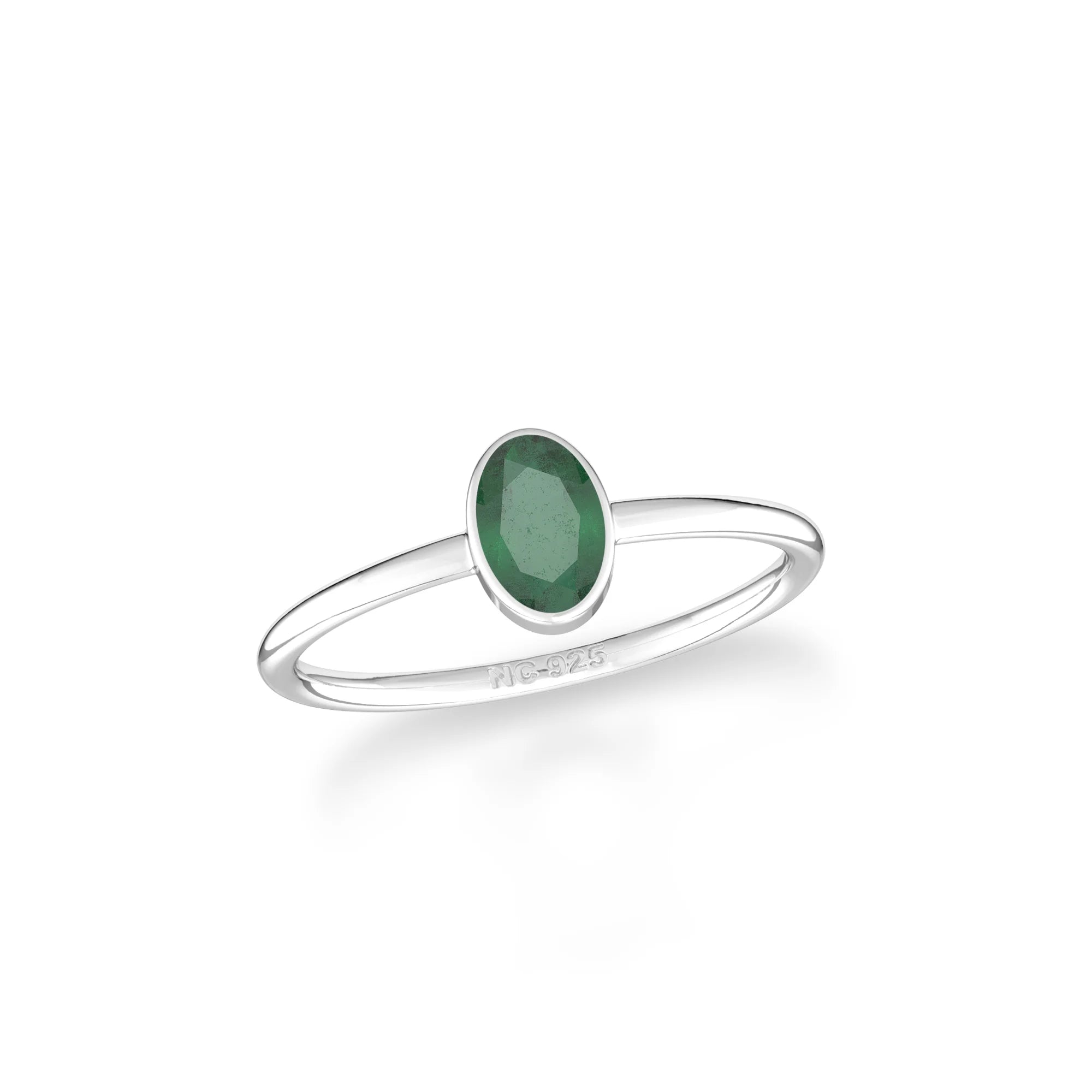
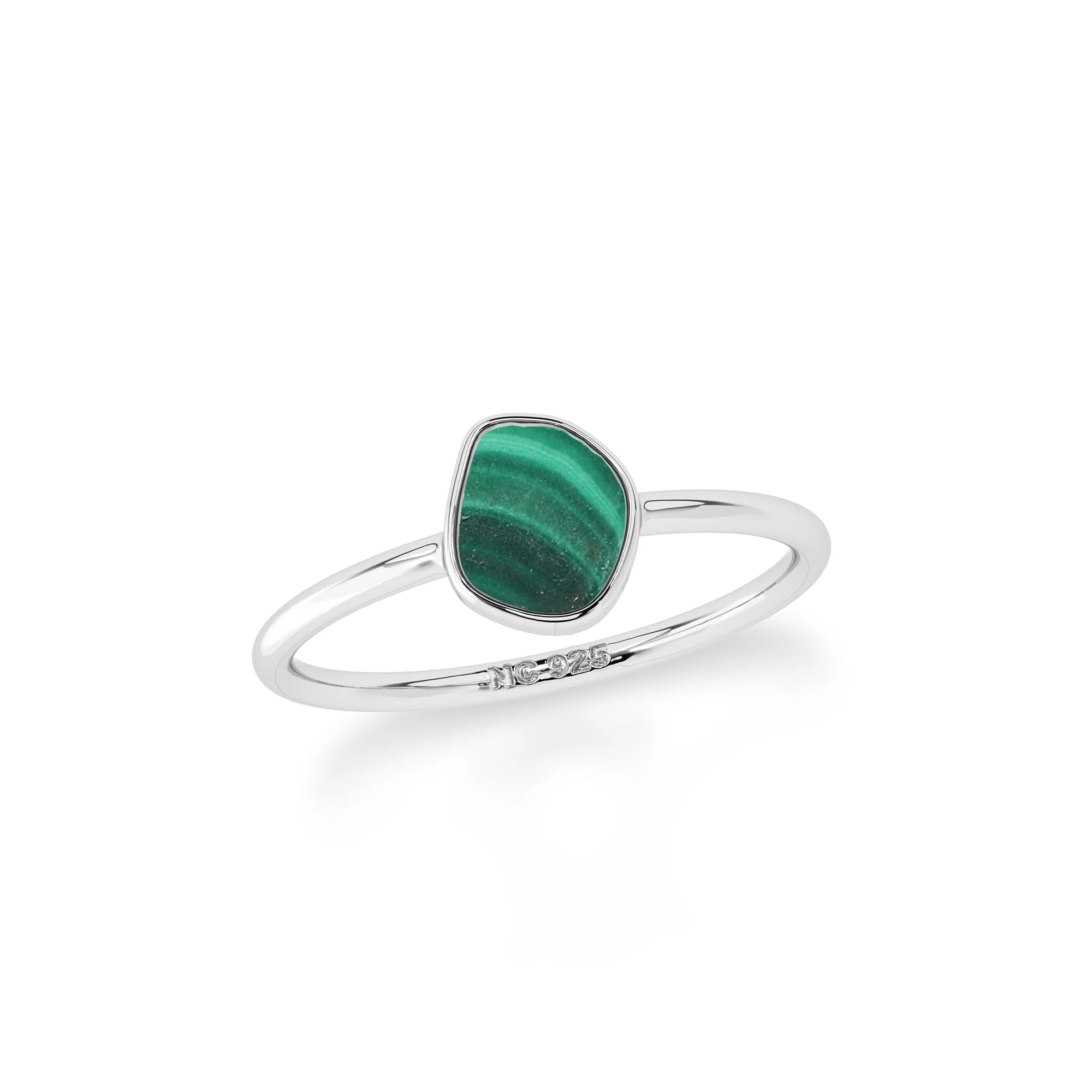
What it is: A bezel setting encircles the gemstone with a continuous band of metal (the "bezel") that wraps around the stone's perimeter and folds over its edge to hold it in place.
Full bezel = metal surrounds the entire stone circumference Partial bezel (semi-bezel) = metal covers only two opposing sides of the stone
Best for:
- Soft or porous stones (opal, turquoise, moonstone, larimar) — the metal walls protect vulnerable edges
- Organic and modern minimalist aesthetics
- Active wearers — bezel settings are the most secure
Visual effect: The metal rim frames the stone, which can slightly reduce the visible size of the gem but adds a sleek, contemporary look. Popular in minimalist and Scandinavian-influenced jewelry design.
Common in NC925 catalog: Turquoise solitaire rings, opal pendants, minimalist moonstone pieces
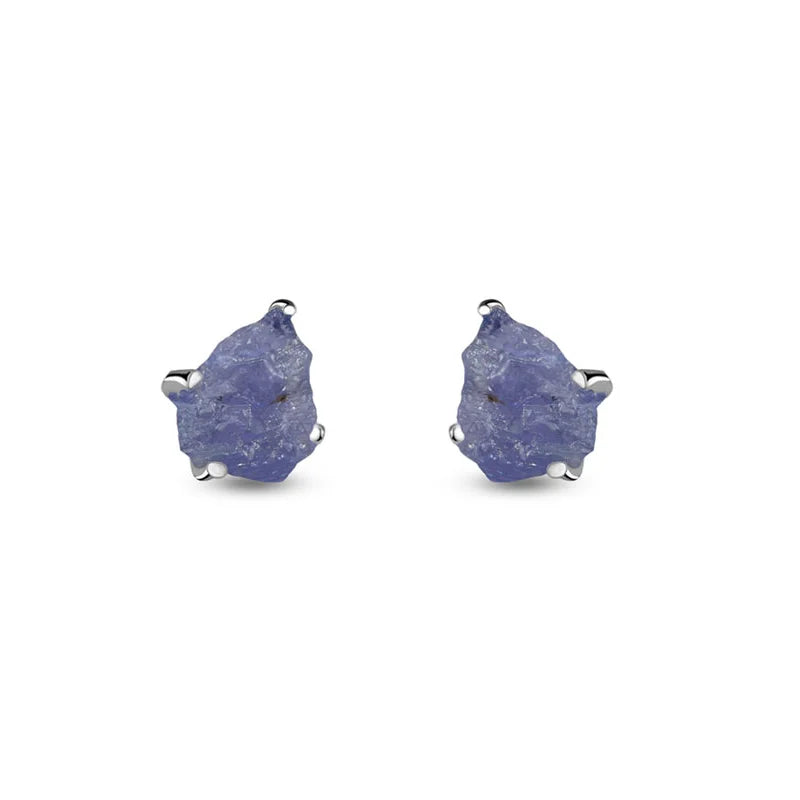
2. Prong Setting (Claw Setting)
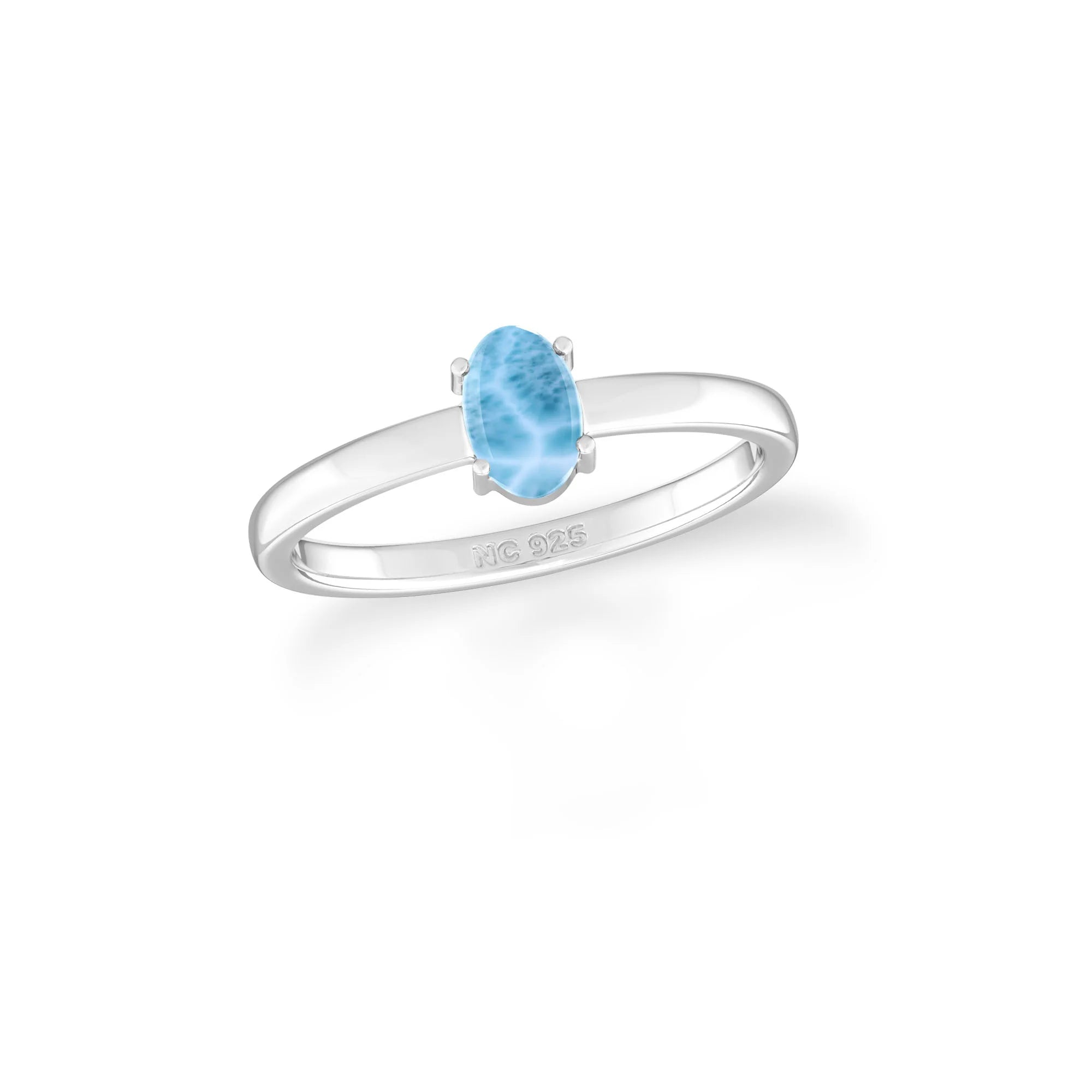
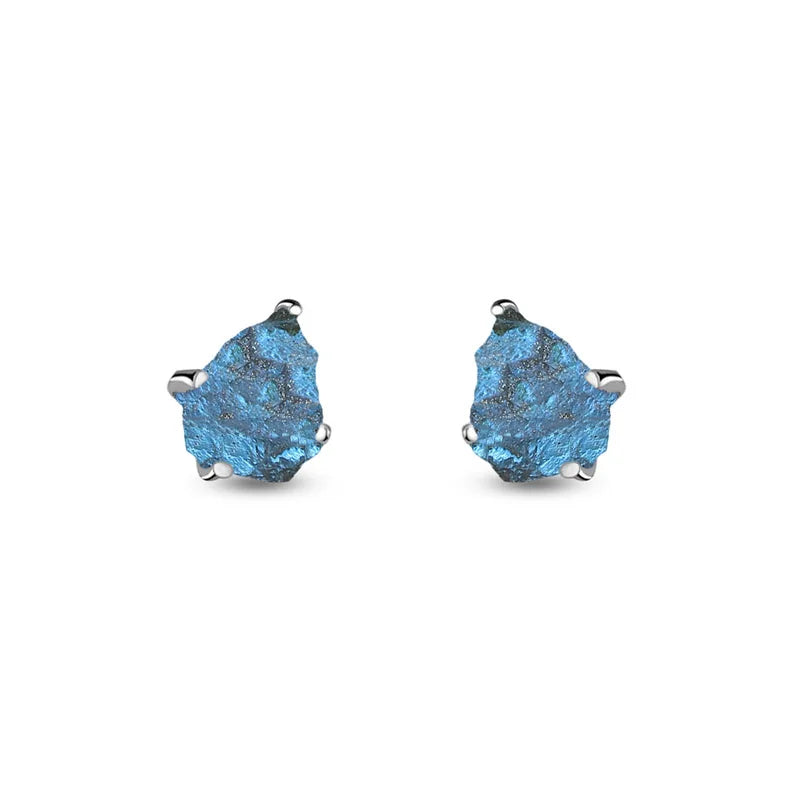
What it is: Small metal claws (prongs) extend from a base and grip the stone at its girdle (widest point), leaving the majority of the stone's surface exposed.
Variations:
- 4-prong — Most common; allows maximum light entry
- 6-prong — More secure; used for valuable stones
- Claw prong — Pointed tips; traditional and delicate look
- Flat prong (tab) — Flattened tips; more modern
Best for:
- Transparent faceted stones (amethyst, citrine, blue topaz, garnet) where you want maximum light and sparkle
- Traditional engagement-style rings
- Any stone where brilliance (light reflection) is the primary selling point
Visual effect: Maximum stone visibility, creates impression of a floating stone. Prong settings maximize sparkle and are why solitaire rings look so bright.
Note for retailers: Prong settings catch on fabric and hair more than bezels. Worth mentioning to customers who wear knits or have long hair.
3. Pavé Setting
What it is: From the French word for "paved" — tiny gemstones are set closely together across a surface, covering it like cobblestones, held in place by tiny beads or prongs of metal.
Micro-pavé = extremely small stones, very fine setting work
Best for:
- Adding sparkle and surface coverage (CZ, small diamonds, small tourmaline, garnets)
- Halo designs (a central stone surrounded by a pavé ring)
- Accent details on rings, bangle edges, pendant borders
Visual effect: Creates a surface that blazes with light from every angle. Pavé settings are the glamour workhorse of fashion jewelry.
Manufacturing note: Pavé work requires exceptional precision. Natural Creations 925's use of German machinery and highly skilled artisans (500+ in their factory) enables the consistent micro-level precision pavé settings require. Poor-quality pavé work results in stones falling out — a significant customer complaint risk.
4. Channel Setting
What it is: Gemstones are set in a row between two parallel metal walls (the "channel"), with the stones sitting edge-to-edge without any metal between them.
Best for:
- Eternity bands
- Bracelet bands
- Uniform-size stones (small round brilliants, calibrated princess cuts)
Visual effect: Clean, architectural look. The stones appear to flow in a continuous stream with no visible metal interruptions between them.
Note: Channel settings require stones of very consistent cut and calibration — another area where NC925's in-house lapidary advantage matters, since they cut their own stones to precise specifications.
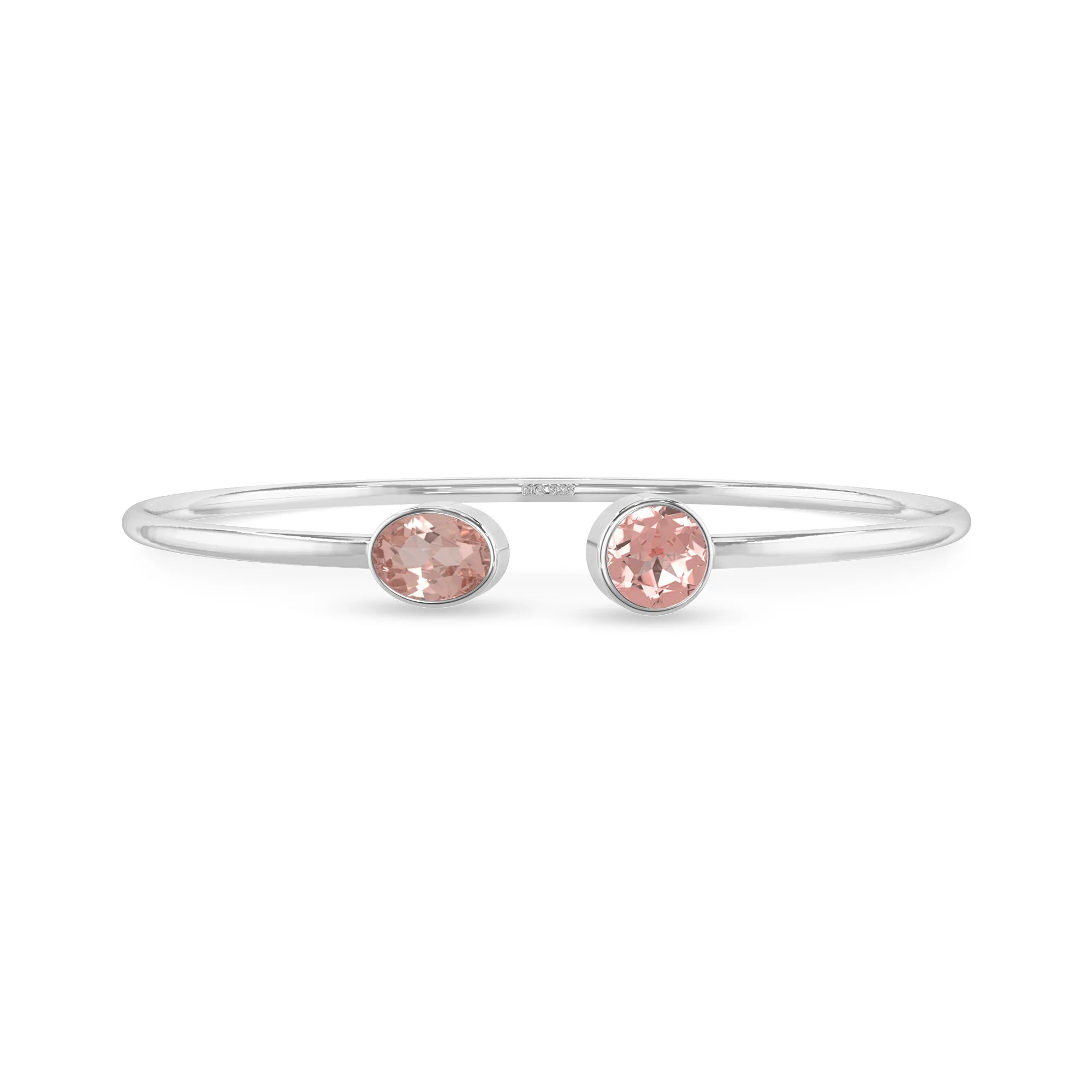
5. Tension Setting
What it is: The gemstone appears to float between two ends of a split band, held in place purely by the compression force (tension) of the metal.
Best for:
- Hard stones only (sapphire, ruby, diamond, tourmaline, tanzanite — Mohs 7+ strongly recommended)
- Bold, architectural, contemporary designs
- Solitaire focal pieces
Visual effect: Dramatic and modern — the stone appears suspended in air. One of the most visually striking settings.
Important: Tension settings require precise manufacturing and high-quality metal. Not suitable for soft gemstones (opal, turquoise, moonstone) which could crack under the metal tension force.
6. Cluster Setting
What it is: Multiple smaller gemstones are grouped together in a tight cluster to create the appearance of one larger, more impressive stone.
Best for:
- Creating visual impact at an accessible price point (smaller stones cost less than a single large stone of equivalent visual area)
- Statement earrings, cocktail rings, and pendant centerpieces
- Mixing complementary stone colors
Visual effect: Rich, abundant, visually complex. Cluster pieces photograph exceptionally well — ideal for Instagram live selling and social media content.
7. Flush / Gypsy Setting
What it is: The gemstone is set directly into a drilled hole in the metal, with its table (top surface) level with the metal surface. No prongs, no bezel rim visible.
Best for:
- Accent stones on bands
- Men's jewelry
- Active lifestyle pieces where protruding settings would catch on things
Visual effect: Minimal and clean — the stone appears embedded into the metal.
8. Cathedral Setting
What it is: A ring setting where the shank (band) arches upward toward the center stone, resembling a cathedral's arched architecture.
Best for:
- Center stones in ring designs
- Adding height and elegance to a piece
- Traditional and vintage-inspired aesthetics
Visual effect: Elevates the center stone, creating a dramatic silhouette profile.
Quick Reference: Which Setting for Which Stone?
| Setting | Best Stone Type | Avoid With | Style Vibe |
|---|---|---|---|
| Bezel | Soft stones (opal, turquoise, moonstone) | N/A | Minimalist, modern |
| Prong | Transparent faceted stones | Very soft stones | Classic, elegant |
| Pavé | Small accent stones | Very large stones | Glamorous, sparkly |
| Channel | Uniform calibrated stones | Irregular shapes | Architectural, sleek |
| Tension | Hard stones only (Mohs 7+) | Soft stones | Contemporary, bold |
| Cluster | Mixed small stones | Very delicate stones | Statement, rich |
| Flush | Small accent stones | Large center stones | Minimal, sporty |
What is the most secure gemstone setting type?
Bezel settings are the most secure — the continuous metal wall makes it nearly impossible for a stone to fall out. Prong settings are less secure than bezels but offer better stone visibility. Channel settings are very secure for the right stone and design.
What setting is best for opal jewelry?
Bezel settings are strongly recommended for opal. Opal has a Mohs hardness of 5.5–6.5 and is somewhat brittle — a bezel's protective metal wall guards the stone's edges from chips and impact. Prong settings leave opal edges exposed to potential damage.
What does pavé setting mean in jewelry?
Pavé (from French "paved") refers to a setting technique where many small gemstones are set closely together across a metal surface, held by tiny beads or prongs, creating a continuous surface of sparkle with minimal visible metal.
Which setting makes a gemstone look biggest?
Prong settings maximize visible stone area by holding the stone with minimal metal. Cluster settings can create the appearance of a larger single stone from multiple smaller ones. Bezel settings slightly reduce the visible stone area by surrounding it with a metal rim.
Is pavé setting durable?
Pavé settings require skilled craftsmanship to be durable — poorly made pavé has tiny prongs that bend, allowing stones to fall out. High-quality pavé work, like the precision settings produced by Natural Creations 925 using German machinery and expert artisans, holds stones securely over years of wear.
Open Your Wholesale Account Today
500+ artisans. In-house lapidary. 100% solar-powered. Same-day shipping on orders before 2 PM PST. Just your business license to get started.