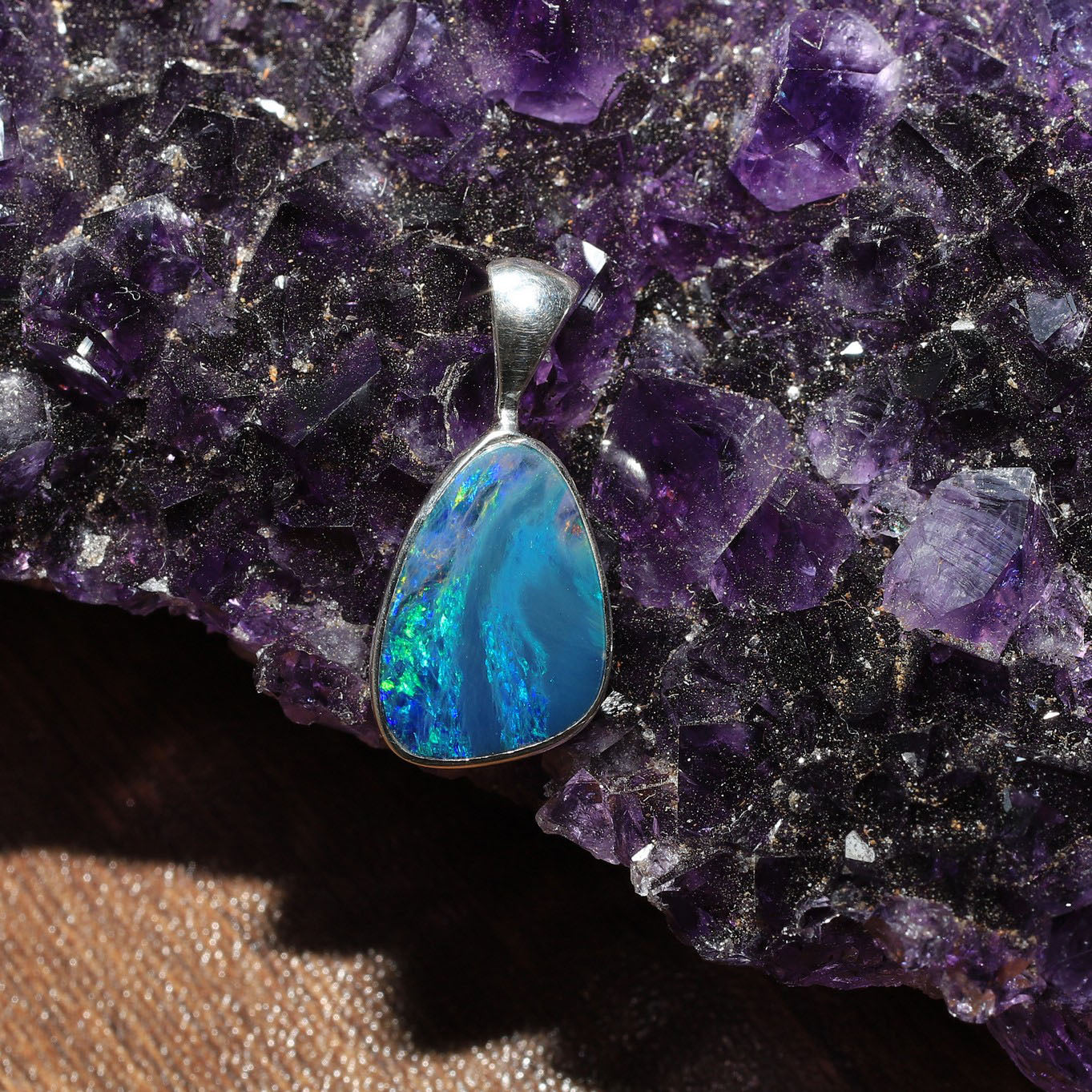

Opal Gemstone Complete Guide: Play-of-Color, Types, and Wholesale Sterling Silver Jewelry
Opal Gemstone Complete Guide: Play-of-Color, Types, and Wholesale Sterling Silver Jewelry
Complete opal gemstone guide — play-of-color explained, types of opal, quality grading, care tips, and why opal in 925 sterling silver is a powerful wholesale c
Opal is a hydrated amorphous form of silica (SiO₂·nH₂O) with a Mohs hardness of 5.5–6.5, distinguished from all other gemstones by "play-of-color" — a shifting spectral rainbow of reds, blues, greens, and golds visible within the stone as it moves in light.
No other gemstone does what opal does. The play-of-color phenomenon — caused by microscopic spheres of silica diffracting light into spectral colors — makes opal one of the most visually dynamic gemstones in existence and one of the most compelling live selling categories in 925 sterling silver jewelry.
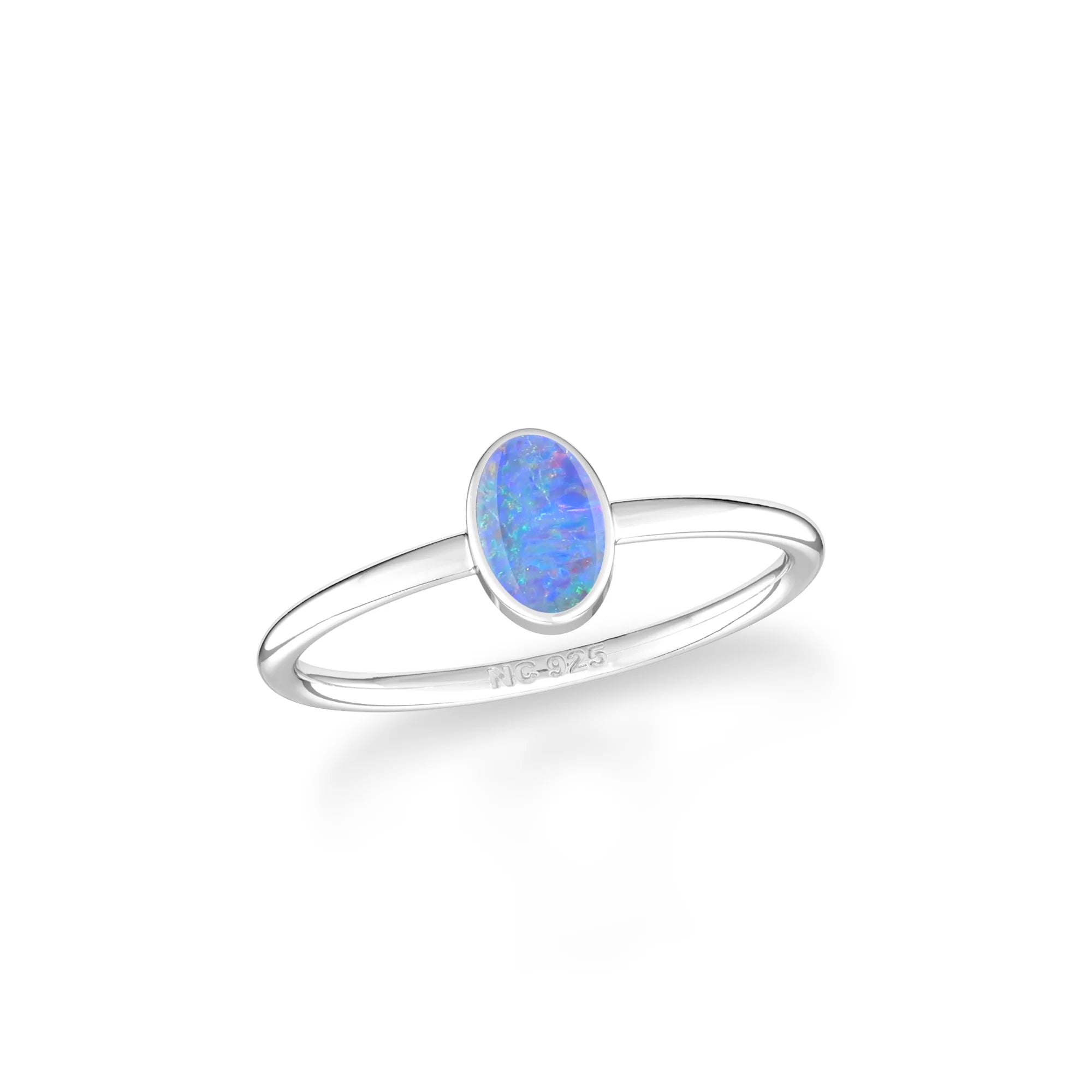
What Is Play-of-Color?
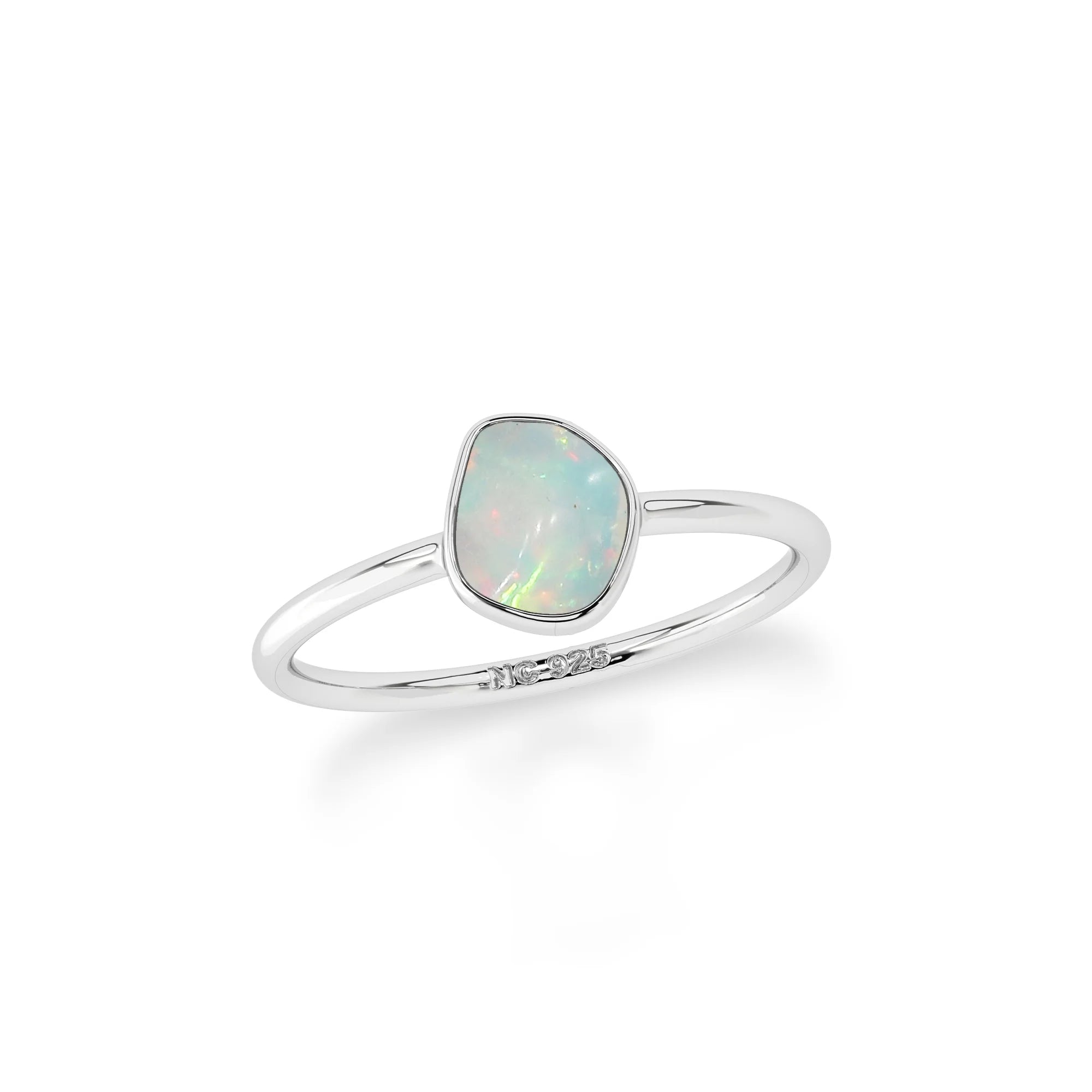
Play-of-color is the optical phenomenon that defines precious opal. When white light enters the stone and interacts with its internal structure of silica spheres (typically 150–350 nanometers in diameter, arranged in a regular grid), it diffracts into spectral colors — red, orange, yellow, green, blue, and violet — that shift and change as the stone or light source moves.
The color that dominates depends on the size of the silica spheres:
- Smaller spheres (150nm): Produce blue/violet colors
- Medium spheres (230nm): Produce green
- Larger spheres (350nm): Produce red
Red flash is rarest and most prized; blue is most common in most opal varieties.
The strength, distribution, and character of the play-of-color is the primary quality determinant for precious opal.
Types of Opal
| Type | Origin | Characteristics | Market Position |
|---|---|---|---|
| White/Light Opal | Australia (South Australia) | Light body tone; play-of-color against white/light background | Classic opal; strong retail market |
| Black Opal | Australia (Lightning Ridge, NSW) | Dark body tone; play-of-color blazes against dark background | Rarest and most expensive; collector market |
| Boulder Opal | Australia (Queensland) | Natural ironstone matrix; opal formed in cracks and voids | Organic, substantial; artisan appeal |
| Crystal/Water Opal | Various | Transparent to semi-transparent body; full play-of-color visible | High visual impact; fine jewelry |
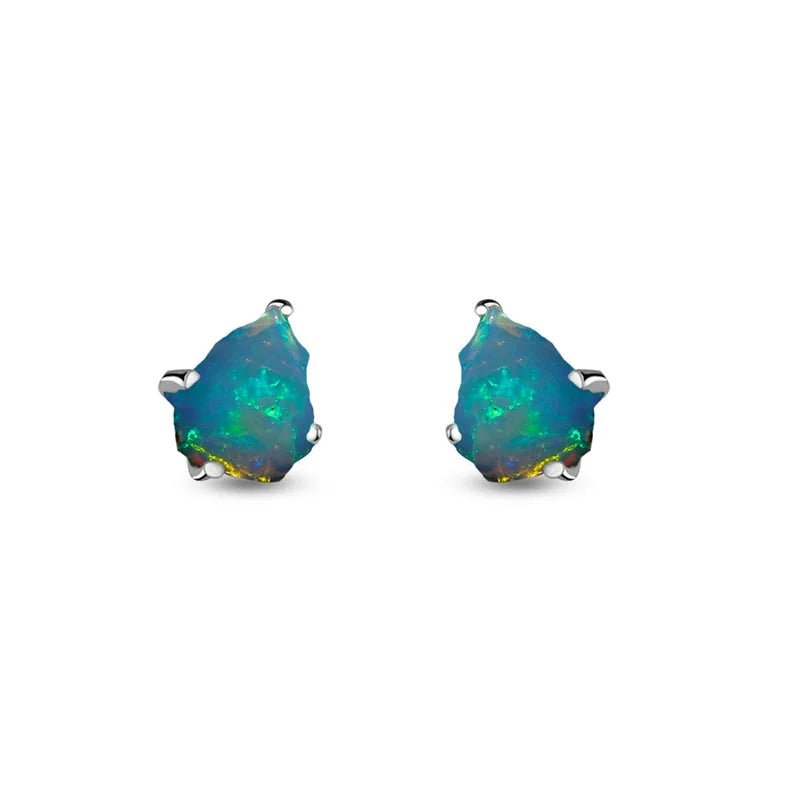
| Ethiopian/Welo Opal | Ethiopia (Welo Province) | Vibrant play-of-color; often "hydrophane" (absorbs water) | Strongest growth market; excellent color |
| Fire Opal | Mexico | Orange to red body color; transparent; may or may not have play-of-color | Bold, vivid; very photogenic |
| Common Opal | Worldwide | No play-of-color; single body color | Low value; not commonly used in fine jewelry |
Ethiopian Opal: The Dominant Wholesale Category
Ethiopian opal — specifically from the Welo Province, discovered commercially in 2008 — has become the dominant opal variety in the wholesale jewelry market. Key characteristics:
- Exceptional play-of-color: Ethiopian opal consistently produces the most vivid, full-spectrum color play of any opal variety
- Hydrophane property: Ethiopian opal is porous and absorbs water, temporarily affecting color. This is a natural characteristic, not a defect.
- Affordability: Far more accessible than Australian black opal at equivalent visual quality
- Supply consistency: Ethiopia has produced a reliable, consistent supply since 2008
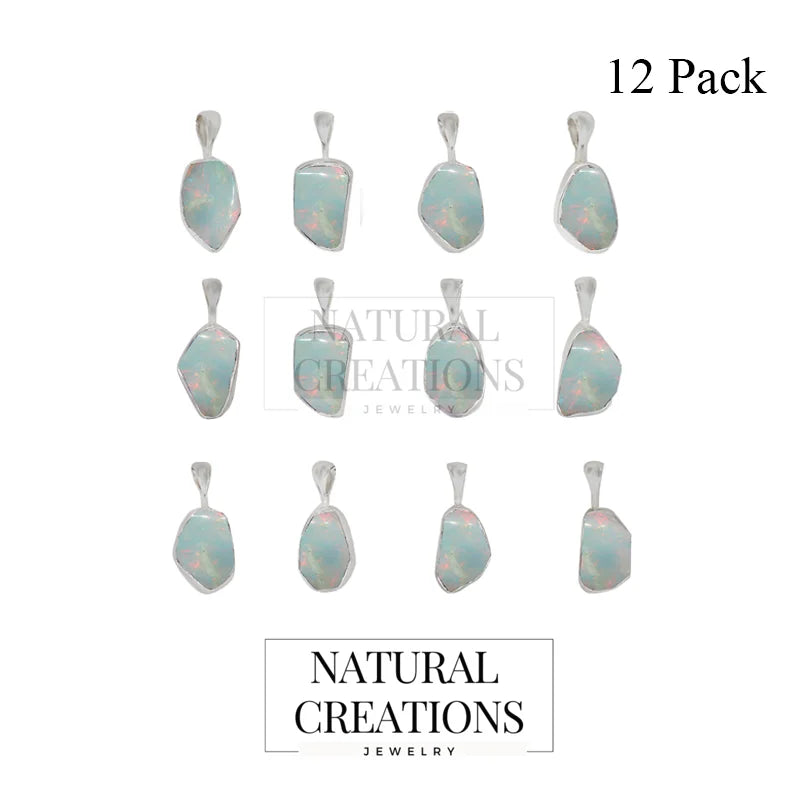
Natural Creations 925 sources Ethiopian fire opal rough directly from the Welo region, processing it through their in-house lapidary for consistent quality in their wholesale 925 sterling silver jewelry production.
Opal Quality Grading
Opal is graded on:
Body tone (1–9 scale):
- N1–N4: Black to dark gray (most valuable)
- N5–N6: Medium gray
- N7–N9: Light to white (most common)
Play-of-color:
- Brilliance: How bright and vivid the color flash appears (dull → bright → very bright → vivid)
- Pattern: Rolling flash, pinfire, harlequin (rarest), broadflash, flame
- Dominance of red: Red-dominant play is most valued
Clarity: Absence of cracks (crazing), inclusions, or sandstone matrix patches
Opal in 925 Sterling Silver: Setting Considerations
Opal's softness (Mohs 5.5–6.5) and sensitivity to dehydration make setting style critical:
Bezel setting is strongly recommended: The continuous metal wall of a bezel setting protects opal's vulnerable edges from impact and chips. Prong settings leave edges exposed and are not recommended for opal.
Avoid high-pressure settings: Any setting technique that applies concentrated pressure to a specific point (tension settings) risks cracking opal.
Doublets and triplets: Some commercial opal jewelry uses:
- Doublets: A thin slice of precious opal glued to a dark backing — enhances play-of-color, more affordable
- Triplets: Doublet with an additional domed clear cap — protected surface, more durable, most affordable
These are legitimate products but must be disclosed as doublets or triplets, not sold as solid opal.
Opal Care
| Factor | Recommendation |
|---|---|
| Cleaning | Wipe with a soft damp cloth only — never submerge |
| Ultrasonic | Avoid — vibration can crack opal |
| Steam | Avoid — heat accelerates dehydration |
| Storage | Avoid dry environments; some collectors store in slightly humid conditions |
| Impact | High impact risk — handle carefully |
| Chemicals | Avoid all chemical exposure |
| Direct sunlight | Avoid prolonged exposure — can cause dehydration and crazing |
The hydrophane consideration for Ethiopian opal: Ethiopian opal absorbs water. If an Ethiopian opal temporarily loses some of its color play after getting wet, allow it to air dry in a cool, dark place — the color play typically returns as the water evaporates.
October Birthstone: Commercial Significance
Opal is the primary birthstone for October (shared with pink tourmaline). The October birthstone market is highly visual and emotional — opal's dramatic play-of-color creates compelling gift presentations that October birthstone buyers respond to strongly.
Why Opal Is One of the Strongest Wholesale Categories for Live Sellers
Opal is arguably the single most compelling gemstone for Instagram Live selling because:
- It moves on camera. The play-of-color phenomenon is most visible in motion — exactly what live video captures perfectly
- It's unique. No two opal pieces have the same color play pattern — every piece is genuinely "the only one like this"
- It has a story. The explanation of play-of-color is simple, fascinating, and shareable: "Those colors you're seeing inside the stone? They're caused by microscopic silica spheres the same size as a wavelength of light."
- Red is impossible to look away from. A fire opal with dominant red play under a ring light stops viewers cold.
What is play-of-color in opal?
Play-of-color is the shifting spectral color phenomenon that occurs in precious opal when light diffracts through internal microscopic silica spheres arranged in a regular pattern. The colors — red, orange, yellow, green, blue, violet — shift and change as the stone or light source moves.
What is the difference between Ethiopian opal and Australian opal?
Both are precious opal with play-of-color. Ethiopian (Welo) opal typically has very vivid color play and is hydrophane (porous). Australian opal comes in several varieties including black opal (Lightning Ridge, highly prized), white opal (South Australia), and boulder opal (Queensland). Australian black opal is generally more expensive; Ethiopian opal offers exceptional visual quality at more accessible wholesale prices.
Is Ethiopian fire opal a good wholesale jewelry stone?
Yes — Ethiopian fire opal is one of the strongest wholesale jewelry categories available. Its dramatic play-of-color, supply consistency from Welo Province, and affordable wholesale pricing make it ideal for 925 sterling silver jewelry at compelling retail price points.
How should I care for opal jewelry?
Wipe with a soft damp cloth only — never submerge opal. Avoid ultrasonic cleaners, steam, prolonged sunlight, and all chemical exposure. Store in a slightly humid environment if possible, particularly in dry climates.
What is the October birthstone?
Opal is the traditional October birthstone, shared with pink tourmaline as a modern alternative. Precious opal (particularly Ethiopian fire opal in 925 sterling silver) is the strongest-selling October birthstone category.
Open Your Wholesale Account Today
500+ artisans. In-house lapidary. 100% solar-powered. Same-day shipping on orders before 2 PM PST. Just your business license to get started.