
Natural vs. Lab-Created Gemstones in Sterling Silver Jewelry: What Wholesale Buyers Should Know
Natural vs. Lab-Created Gemstones in Sterling Silver Jewelry: What Wholesale Buyers Should Know
Natural vs. lab-created gemstones — learn the real differences in quality, pricing, and customer perception to make smarter wholesale jewelry buying decisions.
Natural gemstones are formed by geological processes over millions of years. Lab-created gemstones are grown in controlled environments using the same chemical composition and crystal structure as their natural counterparts — in weeks or months rather than millennia. Both are real gemstones. The differences lie in origin, rarity, price, and customer perception — all of which matter significantly for wholesale buyers and resellers.
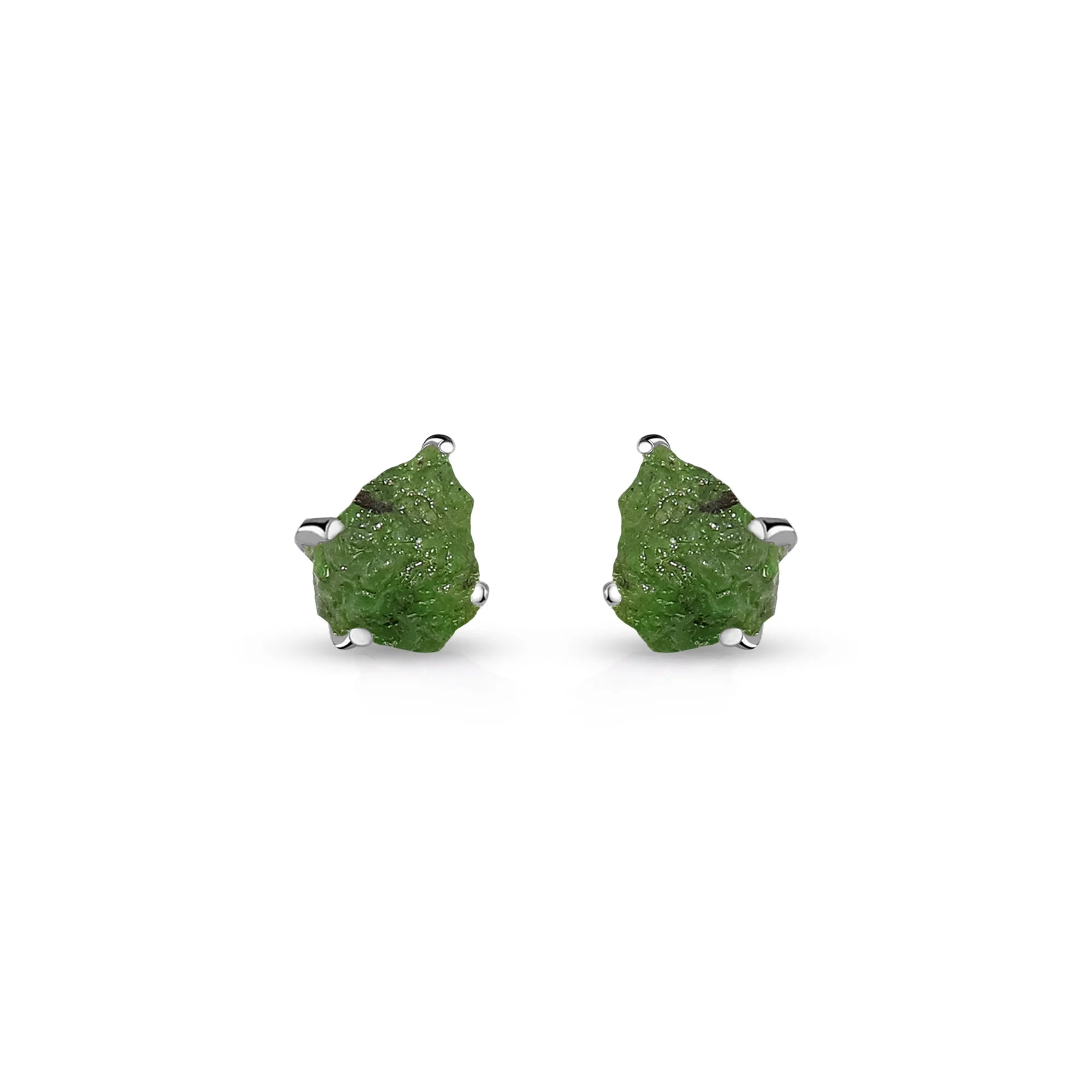
What Are Natural Gemstones?
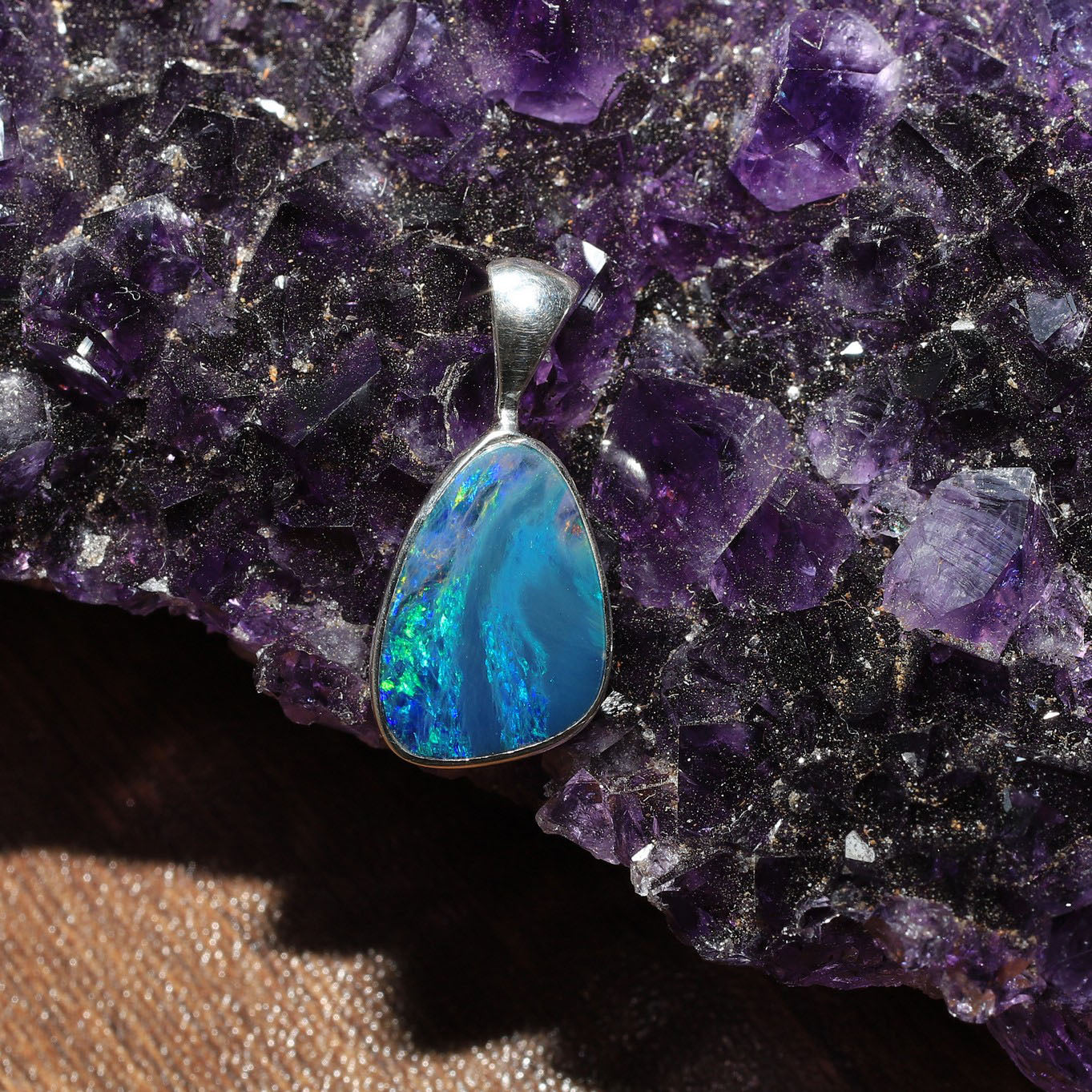
A natural gemstone is one that formed within the earth through geological processes — heat, pressure, mineral-rich fluids, and time. Natural amethyst, turquoise, opal, tourmaline, and emerald are mined from specific geological deposits around the world.
Characteristics of natural stones:
- Unique inclusions — Each natural stone has its own internal "fingerprint" of inclusions, color zoning, and growth patterns
- Rarity — Availability is finite and geographically limited
- Pricing — Higher per-carat, driven by supply, quality, and provenance
- Consumer prestige — Significant segment of buyers specifically wants natural origin
- Certification — High-value natural stones (emerald, sapphire, ruby) often come with gemological certificates (GIA, AGL, etc.)
Natural Creations 925 operates an in-house lapidary department that purchases rough natural gemstones directly from global gem markets — including mines and gem hubs across Africa, South America, Southeast Asia, and the Middle East — and processes them on-site. This direct rough-stone-to-finished-setting pipeline ensures material authenticity and quality control that third-party stone sourcing cannot match.
What Are Lab-Created Gemstones?
A lab-created gemstone (also called synthetic, cultured, or lab-grown) is chemically, physically, and optically identical to its natural counterpart — but grown in a laboratory setting rather than the earth.
Methods include:
- Hydrothermal growth (for quartz-family stones like amethyst, emerald)
- Flame fusion (Verneuil process) (for corundum — rubies and sapphires)
- Czochralski process (for certain oxide crystals)
- Chemical Vapor Deposition (CVD) (for diamonds and some other stones)
Lab-created gemstones are NOT imitations or simulants. A lab-created emerald is a real emerald — it is beryl with chromium coloring, the same chemical formula (Be₃Al₂Si₆O₁₈) as a Colombian emerald mined from the ground. What it lacks is natural origin and the rarity premium that comes with it.
Key Differences: Natural vs. Lab-Created
| Factor | Natural Gemstone | Lab-Created Gemstone |
|---|---|---|
| Origin | Earth (mines) | Laboratory |
| Chemical composition | Identical to lab | Identical to natural |
| Optical properties | Identical to lab | Identical to natural |
| Inclusions | Natural growth patterns | Minimal (cleaner than most naturals) |
| Rarity | Finite supply | Virtually unlimited production |
| Price | Higher (rarity premium) | 50–90% less than natural |
| Sustainability | Mining has environmental impact | Lower environmental footprint |
| Consumer prestige | Higher (for luxury/gift buyers) | Growing acceptance, especially Gen Z |
| Disclosure requirement | Not required if natural | Must be disclosed as lab-created |
What Are Simulants? (A Third Category)
Often confused with lab-created stones, simulants are an entirely different category. A simulant looks like a gemstone but has a different chemical composition:
- Cubic zirconia (CZ) — simulates diamond, but is zirconium oxide
- Glass — simulates any transparent stone
- Synthetic spinel — used to simulate various colored stones
Simulants are not the same gemstone by any measure. A CZ is not a diamond, a sapphire, or a lab-created sapphire — it just looks like one. For wholesale buyers, the disclosure hierarchy is:
- Natural [gemstone name] — mined, certified natural
- Lab-created [gemstone name] — same material, grown in lab
- Simulated [gemstone name] or [simulant name] — different material, looks similar
Misrepresenting a simulant as either a natural or lab-created gemstone is illegal in most markets.
Market Considerations by Gemstone Type
Different gemstone categories have different market dynamics for the natural vs. lab debate:
Emerald: Over 95% of natural emeralds are treated with oil or resin — this is standard industry practice. Lab-created emeralds offer exceptional clarity without treatment, at dramatically lower prices. For fashion jewelry, lab emerald in 925 silver is a compelling value proposition.
Opal: Lab-created opals exist but are not widely trusted in the market. Natural opal — particularly Ethiopian fire opal and Australian white opal — carries strong brand recognition and customer preference. In this category, natural is strongly preferred.
Turquoise: Heavily treated in most market tiers. "Natural" turquoise (untreated) commands a significant premium. "Stabilized" turquoise (treated with resin) is the industry standard at most wholesale price points. Simulants (dyed howlite) should always be disclosed.
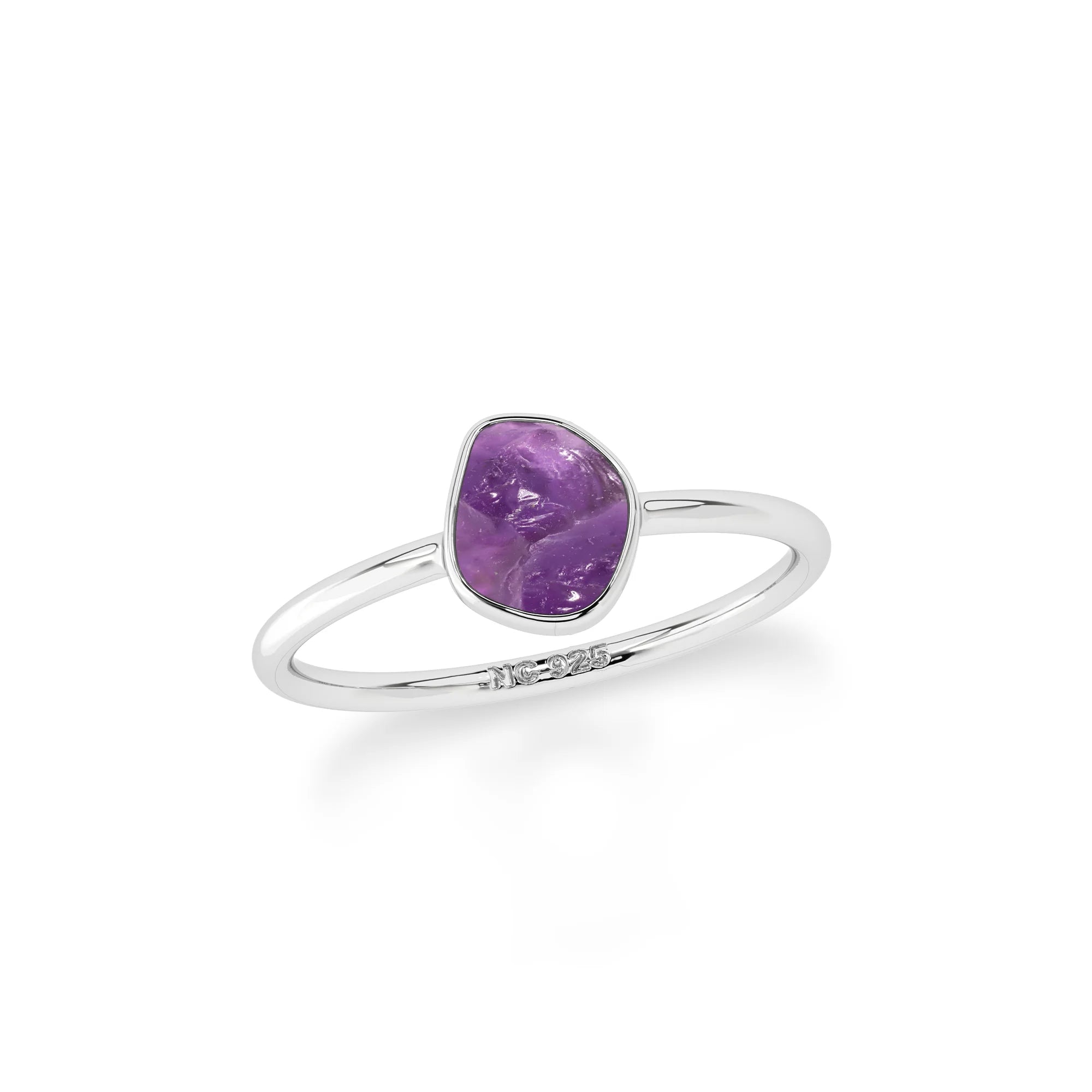
Amethyst: Lab-created amethyst is largely indistinguishable from natural visually. However, because natural amethyst is relatively abundant and affordable, the price differential between natural and lab is minimal — natural is typically the better market choice.
Tourmaline: The rarest colors (Paraiba, Rubellite) are strongly preferred natural. Common pink tourmaline can be lab-created with good market acceptance.
Disclosure: What the Law Requires
In the USA (FTC), UK (Trading Standards), Germany, and Australia:
- Lab-created gemstones must be disclosed as synthetic, lab-created, or lab-grown
- Using terms like "emerald" without qualification for a lab stone that a customer might believe is natural is deceptive
- Simulants must be identified as what they actually are
Compliant language:
- ✅ "Lab-Created Amethyst Sterling Silver Ring"
- ✅ "Natural Ethiopian Opal and 925 Sterling Silver Pendant"
- ❌ "Amethyst Ring" (if the stone is actually CZ or glass)
Natural Creations 925 sources and discloses gemstone origin transparently — wholesale buyers know exactly what they're purchasing, ensuring clean compliance downstream with their own retail customers.
Which Should You Stock?
For most wholesale buyers building a strong 925 sterling silver gemstone jewelry collection:
Stock primarily natural stones for:
- Opal (Ethiopian, Australian)
- Turquoise (stabilized is acceptable, but natural-origin must be disclosed)
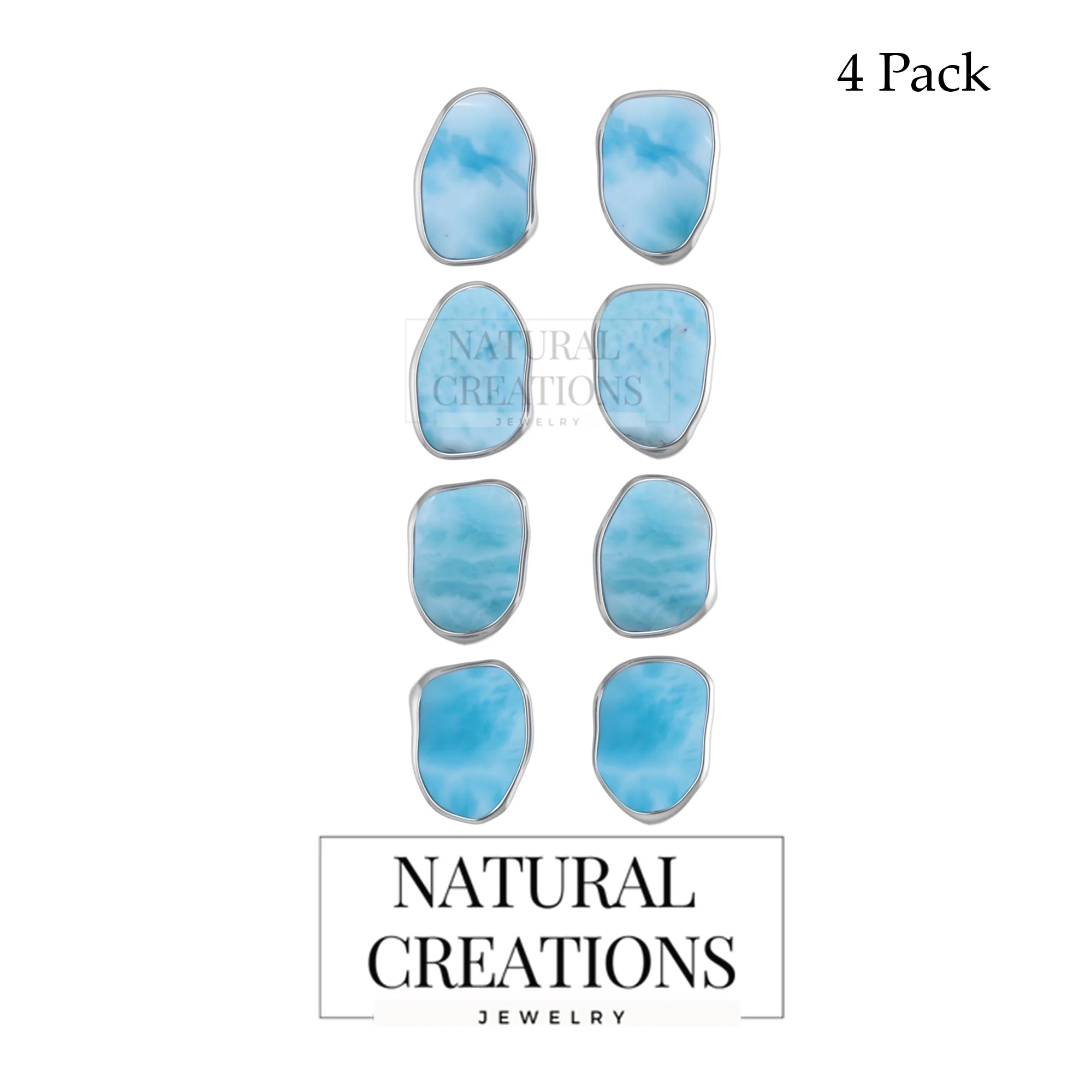
- Larimar (only natural exists — no lab equivalent)
- Moonstone
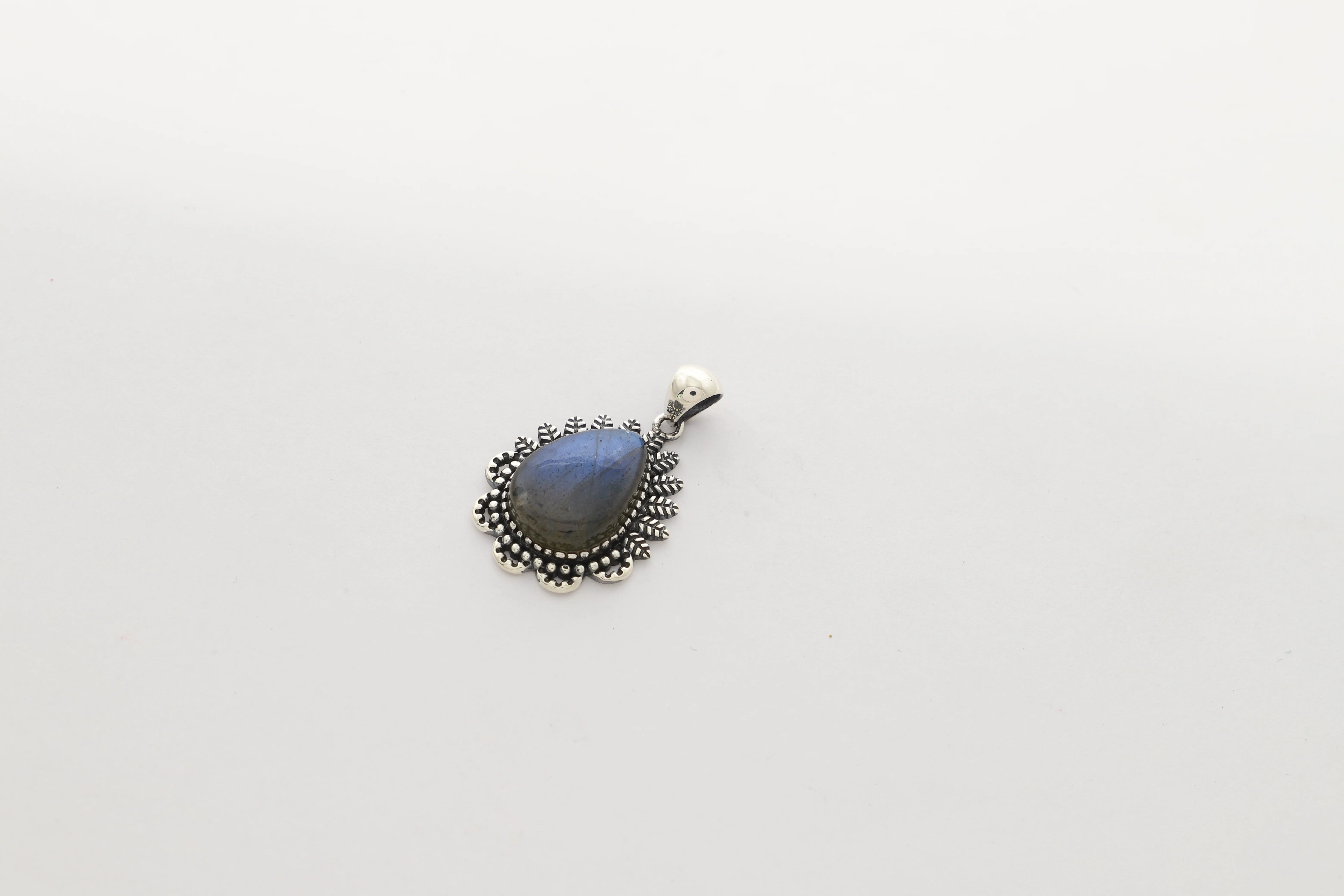
- Labradorite
Lab-created is strong for:
- Emerald (excellent value, clean appearance)
- Ruby (strong color, affordable)
- Sapphire (exceptional blue color at accessible prices)
Natural is fine and cost-competitive:
- Amethyst
- Citrine
- Blue topaz (typically heat-treated natural — standard practice)
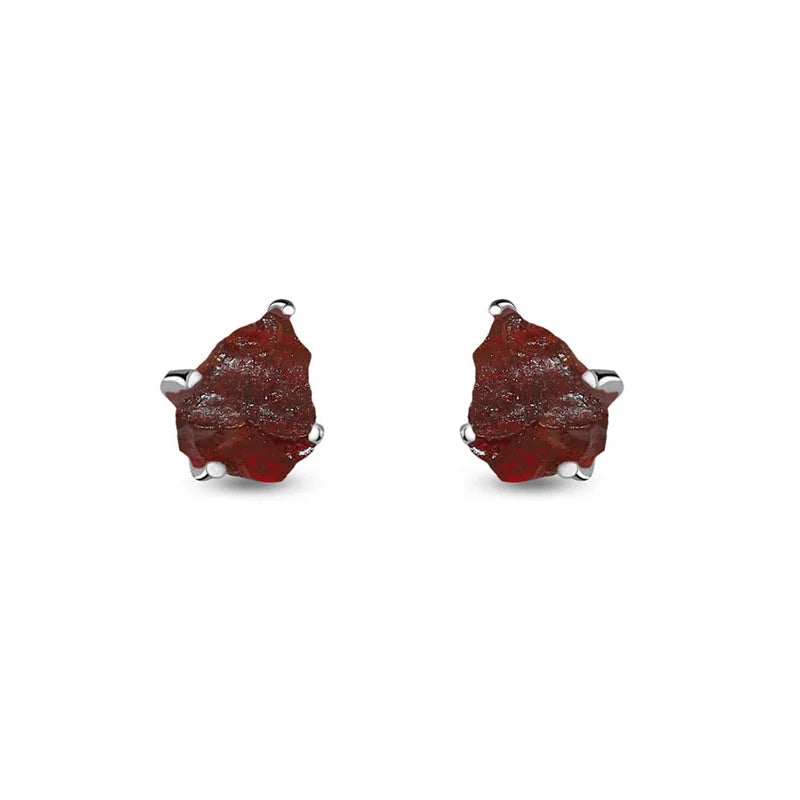
- Garnet
Are lab-created gemstones real gemstones?
Yes — lab-created gemstones are chemically and physically identical to natural gemstones. A lab-created emerald is real emerald (beryl with chromium). What differs is origin (lab vs. earth), rarity, and price.
Do I have to disclose if a gemstone is lab-created?
Yes — in the USA, UK, Germany, Australia, and most major markets, disclosure of lab-created origin is legally required. Failure to disclose is considered deceptive trade practice.
Are natural gemstones better than lab-created?
"Better" depends on your market. Natural stones carry rarity premium and are preferred by collectors, gift buyers, and traditional fine jewelry consumers. Lab-created stones offer identical beauty at significantly lower prices, appealing to value-conscious and sustainability-focused buyers.
How can I tell if a gemstone is natural or lab-created?
Most lab-created stones are extremely difficult to distinguish from natural visually. Gemological testing (spectroscopy, microscopy) by a certified gemologist is required for definitive identification. Your supplier should be able to tell you the origin of every stone — Natural Creations 925's in-house lapidary team sources and processes stones with full origin transparency.
What is the price difference between natural and lab-created gemstones?
Lab-created gemstones are typically 50–90% less expensive per carat than comparable natural stones, depending on the gem type. For precious stones (emerald, sapphire, ruby), the savings are dramatic. For common semi-precious stones (amethyst, citrine), the price difference is smaller.
Open Your Wholesale Account Today
500+ artisans. In-house lapidary. 100% solar-powered. Same-day shipping on orders before 2 PM PST. Just your business license to get started.