
How to Verify Authentic 925 Sterling Silver Jewelry When Buying Wholesale
How to Verify Authentic 925 Sterling Silver Jewelry When Buying Wholesale
Learn how to identify genuine 925 sterling silver jewelry when buying wholesale — hallmarks, tests, and red flags every buyer must know.
Genuine 925 sterling silver is 92.5% pure silver. Counterfeit or misrepresented silver — silver-plated base metal, silver-filled pieces, or low-grade alloys stamped fraudulently — is a real risk in the wholesale jewelry market. Here are four reliable ways to verify authenticity before buying.
4 Ways to Verify Authentic 925 Sterling Silver
1. Check the Hallmark
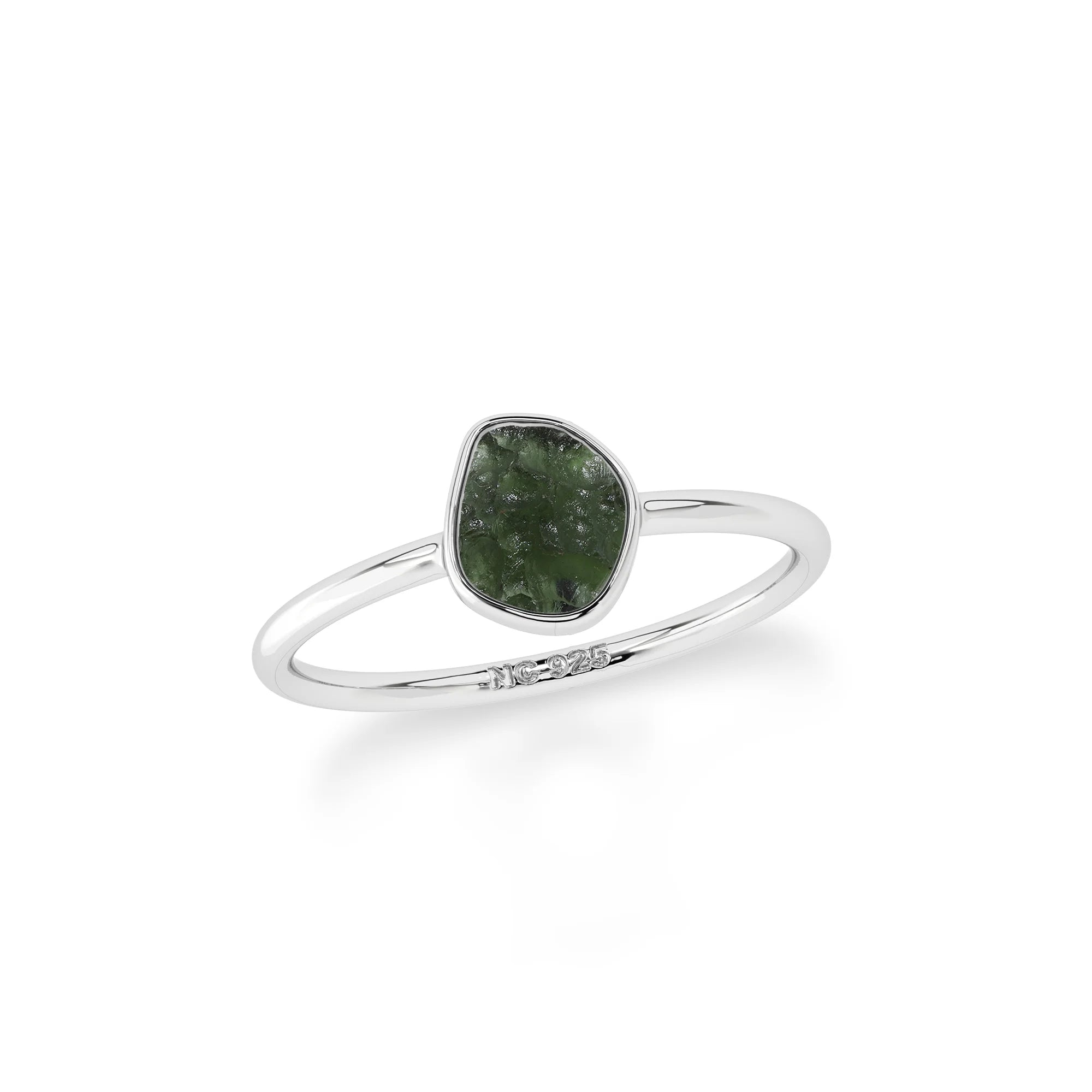
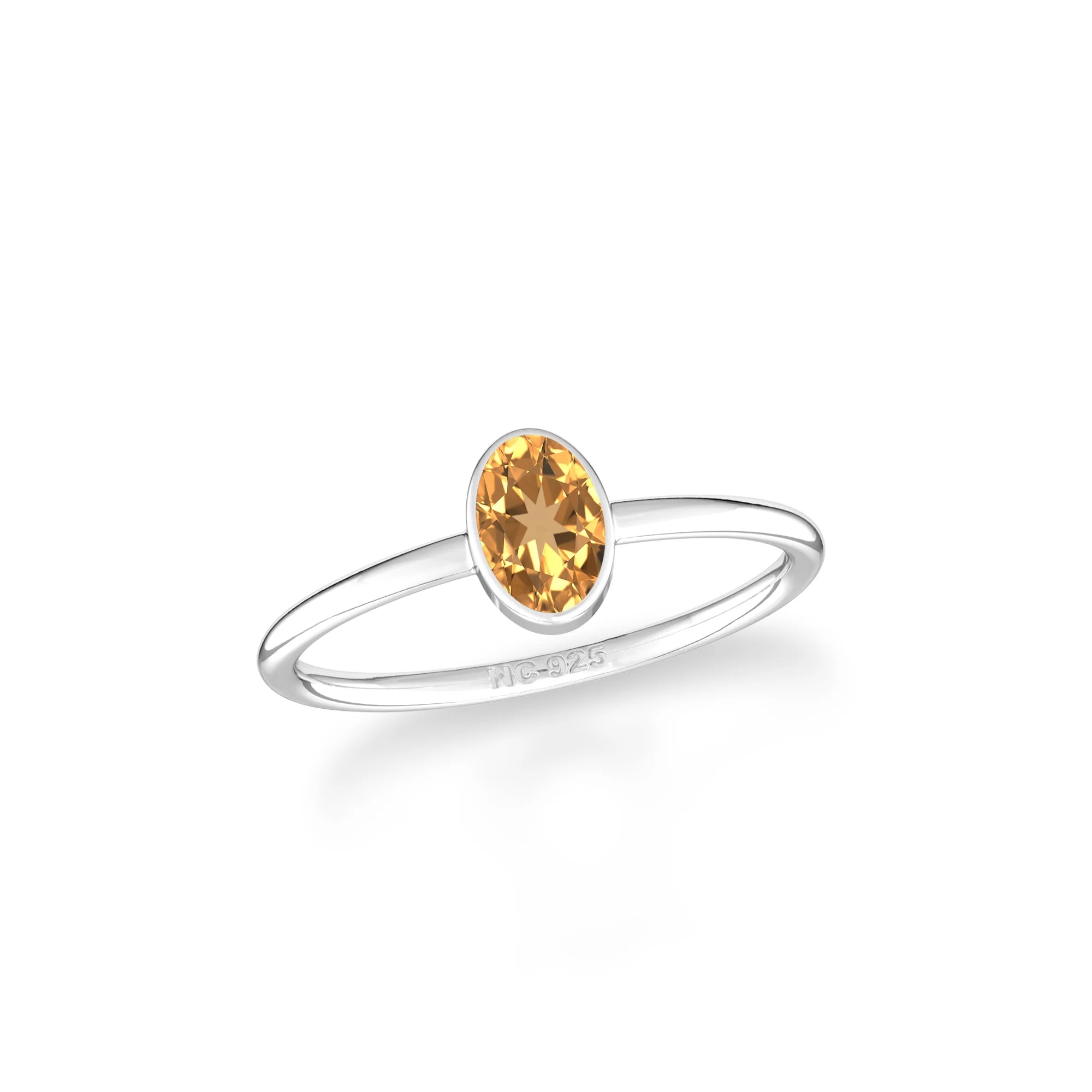
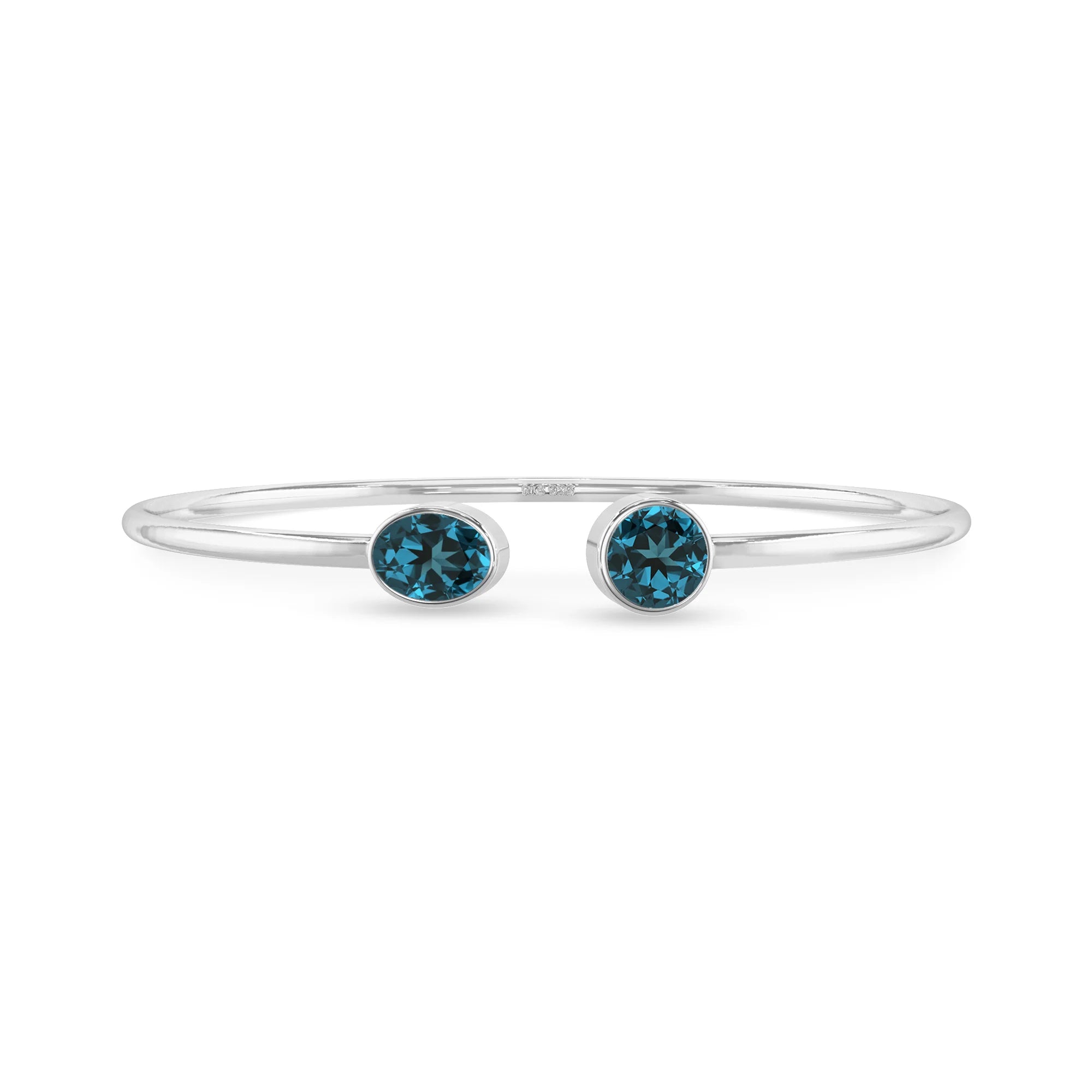
Every genuine piece of 925 sterling silver should carry a stamped hallmark. Look for:
- .925 — the universal standard mark
- STER or STERLING — used primarily in the USA
- 925 within a cartouche — common on European pieces
- Lion Passant + date letter — UK hallmarking system (Assay Office mark)
- Crescent + crown — German silver hallmark system
Hallmarks are typically stamped on the inside of a ring band, the clasp of a bracelet or necklace, or the post/back of earrings. If you cannot find a hallmark, that is a serious red flag.
2. The Magnet Test
Sterling silver is not magnetic. Hold a strong magnet (a neodymium magnet works best) near the piece. If it sticks or is pulled toward the magnet, the piece is base metal — not silver.
Note: This test detects base metal but cannot distinguish between genuine sterling silver and silver-plated brass or copper. Use it as a first screening, not a final verdict.
3. The Acid Test
Jeweler's acid test kits (silver testing acid is nitric acid-based) provide a reliable chemical verification. Apply a small drop to a hidden area of the piece:
- Bright red reaction = high silver content (fine or sterling silver)
- Dark red/brown = lower silver content
- Green = base metal (brass, copper)
Professional jewelers and serious wholesale buyers use acid test kits as a standard part of new supplier evaluation.
4. The Tarnish Pattern Test
Real sterling silver tarnishes over time — it develops a patina that ranges from light yellow to dark gray-black. This tarnish is surface-level and polishes off. Base metal pieces plated with silver will typically show copper or brass color at wear points (inner rings, clasp junctions) long before genuine silver would show damage. If a piece shows chipping, flaking, or non-silver color at friction points, it's plated — not sterling.
Hallmarking Standards by Country
If you're buying wholesale for resale in international markets, hallmarking requirements vary:
| Market | Standard | What to Look For |
|---|---|---|
| USA | Voluntary but standard practice | .925, STER, STERLING |
| UK | Mandatory Assay Office mark | Lion Passant + .925 or "925" + date letter |
| Germany | Traditional system | Crescent moon + crown mark + .925 |
| Australia | Voluntary, follows international standards | .925 or STER stamp |
| Canada | Voluntary, US-style standards | .925 or STERLING |
| EU (general) | Varies by country | .925 is universally understood |
When sourcing from a manufacturer like Natural Creations 925, all pieces carry proper .925 hallmarks and meet international standards — a key requirement for resale across the US, UK, Germany, Australia, and other markets.
Red Flags When Evaluating a Wholesale Supplier
Beyond testing individual pieces, evaluate your supplier's practices holistically:
No visible .925 hallmark — Any legitimate sterling silver piece should be hallmarked. No stamp means either substandard metal or poor quality control.
Prices dramatically below market rate — Genuine 925 sterling silver has a commodity floor (the silver spot price alone). Wholesale pricing that seems impossibly low for gemstone-set pieces often indicates silver-plated base metal, synthetic stones, or fraudulent materials.
No transparency about gemstone sourcing — If a supplier can't tell you whether stones are natural, lab-created, or simulated, that's a serious quality concern. A genuine manufacturer with in-house lapidary operations — like Natural Creations 925, which purchases rough stones globally and processes them on-site — can tell you exactly what's in every piece.
No return policy on defective pieces — Legitimate manufacturers stand behind their work. Refusal to exchange defective or misrepresented pieces is a major red flag.
No verifiable factory or physical location — Can you find their facility? See their production photos? Speak to a real person? Wholesale suppliers who hide their physical operations are often drop-shippers or importers of questionable inventory, not manufacturers.
Working with a Hallmark-Compliant Manufacturer
The most reliable way to ensure authenticity across every wholesale order is to work with a manufacturer who builds quality control into the production process itself, rather than depending on post-production testing.
At Natural Creations 925, every piece moves through production stages in a 60,000 sq ft factory equipped with German manufacturing machinery. With 500+ artisans — the majority of whom are women with deep craft expertise — quality checkpoints are embedded in casting, stone setting, polishing, and final inspection. Hallmarking is applied at the factory level, not as an afterthought.
Their in-house lapidary adds another layer of quality assurance for gemstone pieces: rough stones are sourced directly from global gem markets, cut and polished on-site, and graded before setting. The result is stone consistency that third-party sourcing cannot guarantee.
What does the .925 stamp mean on silver jewelry?
The .925 stamp (or "925" hallmark) indicates that the piece contains 92.5% pure silver. It is the internationally recognized mark for sterling silver and should appear on every legitimate sterling silver piece.
Is jewelry marked "925" always real silver?
A stamped .925 mark is strong evidence of genuine sterling silver, but fraudulent stamping exists in very low-quality markets. Combine hallmark verification with a magnet test and visual inspection for wear points to build confidence. Buying from a known, verified manufacturer eliminates this risk.
What is the difference between sterling silver and silver-plated jewelry?
Sterling silver (925) is a solid silver alloy throughout the entire piece. Silver-plated jewelry is base metal (usually brass or copper) with a thin silver coating. The coating will wear off over time, revealing the base metal underneath. Sterling silver pieces tarnish but maintain their silver composition indefinitely.
How can I tell if silver jewelry is real without an acid test?
Check for a .925 or STERLING hallmark, perform a magnet test (real silver won't stick), and inspect the piece at friction points for any color other than silver. If it looks like the silver is "wearing off" to reveal another metal, the piece is plated.
Do all countries require silver jewelry to be hallmarked?
Requirements vary. The UK requires mandatory Assay Office hallmarking for silver above a certain weight. In the USA, hallmarking is voluntary but standard industry practice. In Germany, traditional hallmarks are used. When buying from a reputable manufacturer like Natural Creations 925, all pieces are properly stamped to meet international standards.
Open Your Wholesale Account Today
500+ artisans. In-house lapidary. 100% solar-powered. Same-day shipping on orders before 2 PM PST. Just your business license to get started.