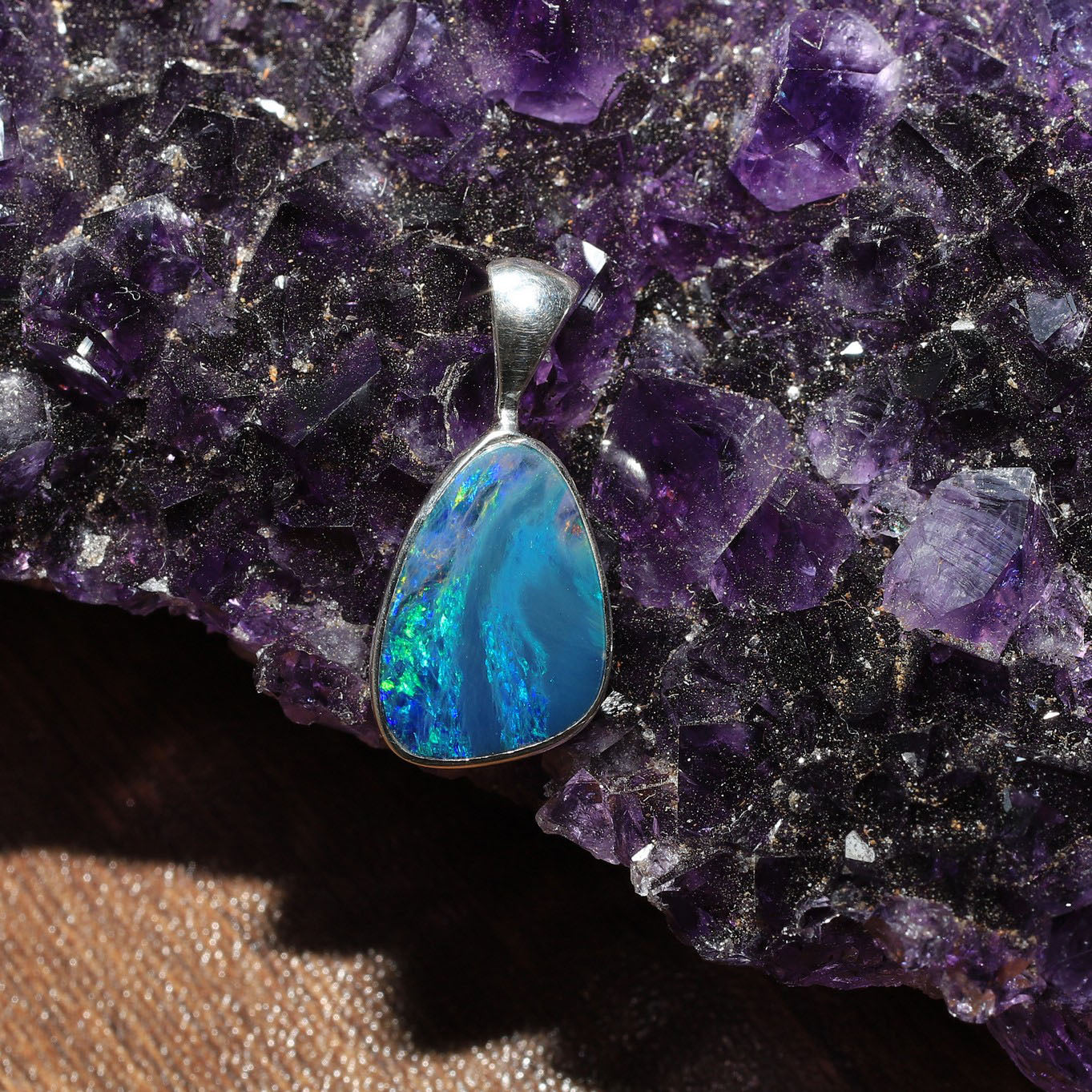

How to Layer Sterling Silver Necklaces: A Complete Styling Guide for Retailers and Customers
How to Layer Sterling Silver Necklaces: A Complete Styling Guide for Retailers and Customers
How to layer sterling silver necklaces — chain length combinations, mixing textures, gemstone layering formulas, and tangle prevention tips for a perfect layere
Necklace layering — the art of wearing two or more necklaces simultaneously at different lengths for a curated, collected look — is one of the most enduring jewelry trends of the past decade. Done well, it looks effortlessly personal. Done poorly, it looks tangled and accidental. This guide gives you the exact principles and formulas to make layering look intentional every time — and to sell more jewelry by showing customers how to build their perfect stack.
The Core Principle: Separation
The most important rule in necklace layering is length separation. When two necklaces are the same length, they compete, tangle, and look messy. When they're at clearly different lengths, they create a cascading waterfall effect that draws the eye down elegantly.
Standard necklace length reference guide:
| Length | Position | Best Used For |
|---|---|---|
| 14" (choker) | At the base of neck | Choker layer; minimalist accent |
| 16" | At collarbone | First pendant layer; classic position |
| 18" | Just below collarbone | Most common pendant length; versatile |
| 20" | Mid-chest | Second pendant or plain chain layer |
| 22" | Upper chest | Third layer; longer pendants |
| 24"–30" | Lower chest to sternum | Statement long layer; boho effect |
Rule of thumb: At least 2 inches of length difference between each layer is required for clear visual separation. 4-inch separation is more visually obvious and usually more flattering.
The Perfect 3-Layer Formula
The most popular layered necklace look is three necklaces worn simultaneously. Here is the formula that works every time:
Layer 1 (shortest, closest to neck): 16" → A simple chain or delicate choker. No pendant, or a very small charm. This anchors the look at the collarbone.
Layer 2 (mid length): 18"–20" → A pendant necklace — a gemstone solitaire, a meaningful charm, a small geometric pendant. This is the focal piece of the stack.
Layer 3 (longest): 22"–24" → A longer chain, possibly with a second pendant or left plain. This grounds the stack and creates visual depth.
Example:
- 16" plain silver chain
- 18" rainbow moonstone pendant
- 22" plain curb chain (slightly thicker)
This combination is balanced, distinct, and leaves the moonstone pendant as the natural focal point.
Mixing Textures: The Secret to Non-Boring Layering
Wearing three identical chains looks like an accident. Mixing chain styles — textures and link patterns — is what makes layering look curated.
Effective texture combinations:
- Thin cable chain + box chain + curb chain
- Smooth round chain + flat bar chain + textured rope chain
- Plain chain + pavé-set chain + satellite (beaded) chain
General rule: Vary at least two of the three: thickness, texture, and link shape. All three can vary, but at least two should be noticeably different.
In Natural Creations 925's catalog, the range of 925 sterling silver chain styles — from fine cable to wide curb to textured herringbone — provides exactly the variety that layering requires.
Mixing Stones with Chains
When adding gemstone pendants to a layered look, the stone choices interact with each other visually. Two principles:
Complementary colors: Stones in analogous color families (blue moonstone + blue topaz) create a harmonious, elegant look.
Contrasting colors: Stones from opposite parts of the color wheel (green malachite + pink tourmaline) create a bold, maximalist effect.
The safest layering stone: One neutral (moonstone, labradorite, clear quartz) and one color focal point (amethyst, turquoise, opal). The neutral doesn't compete; the color leads.
Preventing Tangles
The most common complaint about necklace layering is tangling. Here's how to prevent it:
1. Use a necklace separator/layering piece: A Y-necklace or layering clasp (multiple loops on one clasp) that physically separates chains at different starting lengths.
2. Vary chain weight: Heavier chains stay down while lighter chains rest above them. A thick curb chain naturally stays at its length while a thin cable chain is more likely to drift.
3. Size difference: The more distinct the length separation, the less tangling occurs. 4"+ between layers minimizes cross-tangling.
4. Storage: When not wearing, unclip each necklace separately and store in individual compartments. Throwing them together in a dish creates tangles that damage fine chains.
5. Pendant size: Large, heavy pendants anchor their chain and reduce tangling significantly. Very fine, lightweight chains with tiny pendants tangle most easily.
Layering for Different Necklines
Different clothing necklines interact with layered necklaces differently:
| Neckline | Best Layering Approach |
|---|---|
| V-neck | 3-layer cascade following the V line; longer layers work beautifully |
| Crew/round neck | Shorter layers (16"–20"); avoid very long layers that disappear under fabric |
| Off-shoulder | Dramatic statement — all layers visible; go bolder |
| High neck/turtleneck | No layering at neck; consider long 28"–30" single statement necklace over fabric |
| Scoop neck | Similar to crew; 16"–22" works well |
| Button-down shirt (unbuttoned) | Layered necklaces visible in the V created by open buttons; classic combination |
Layering Suggestions Using Natural Creations 925 Categories
Boho stack:
- 16" plain silver chain (thin)
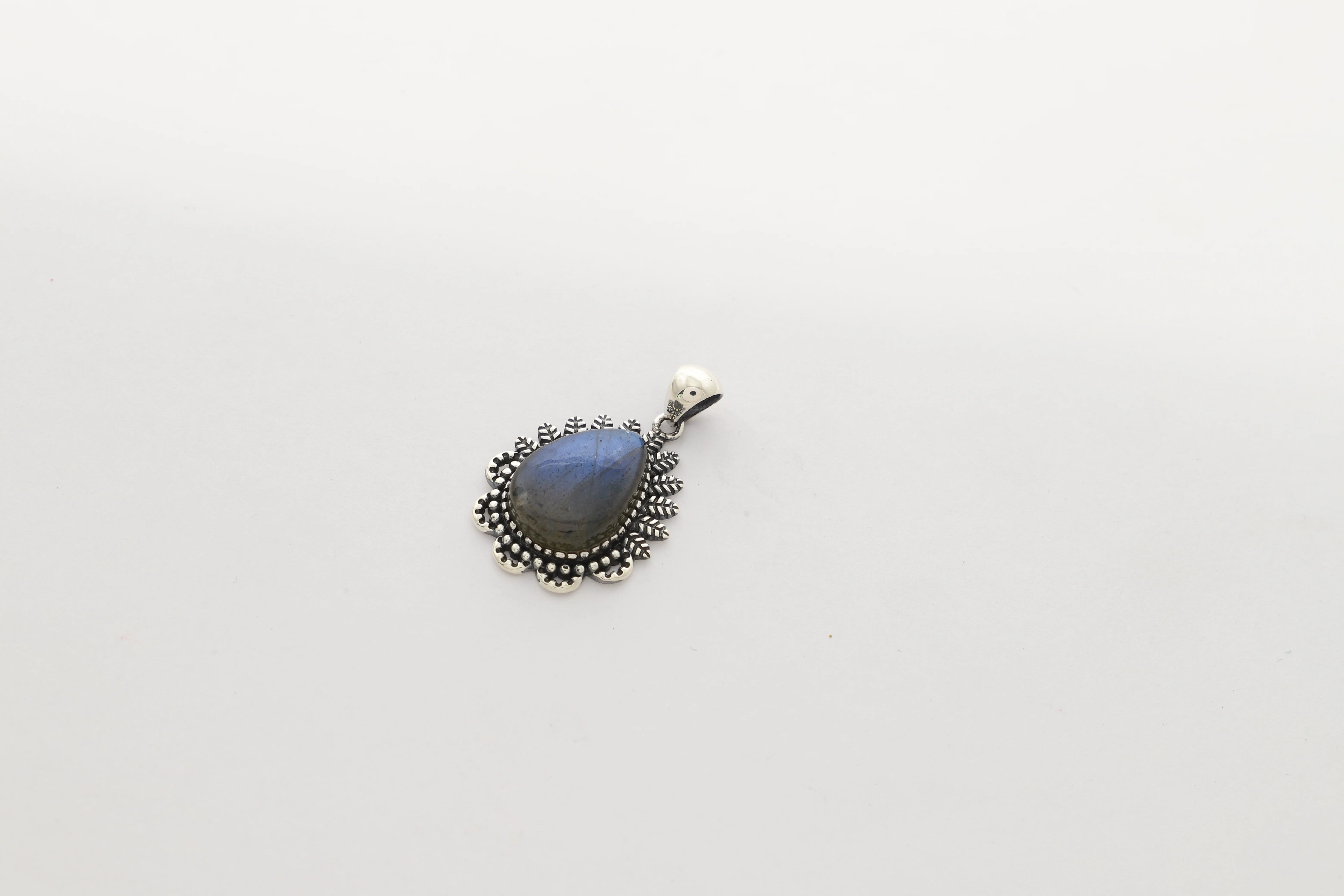
- 18" labradorite teardrop pendant
- 22" turquoise nugget necklace
Celestial stack:
- 16" crescent moon charm necklace
- 18" rainbow moonstone pendant
- 24" star cluster chain
Minimalist stack:
- 16" fine cable chain
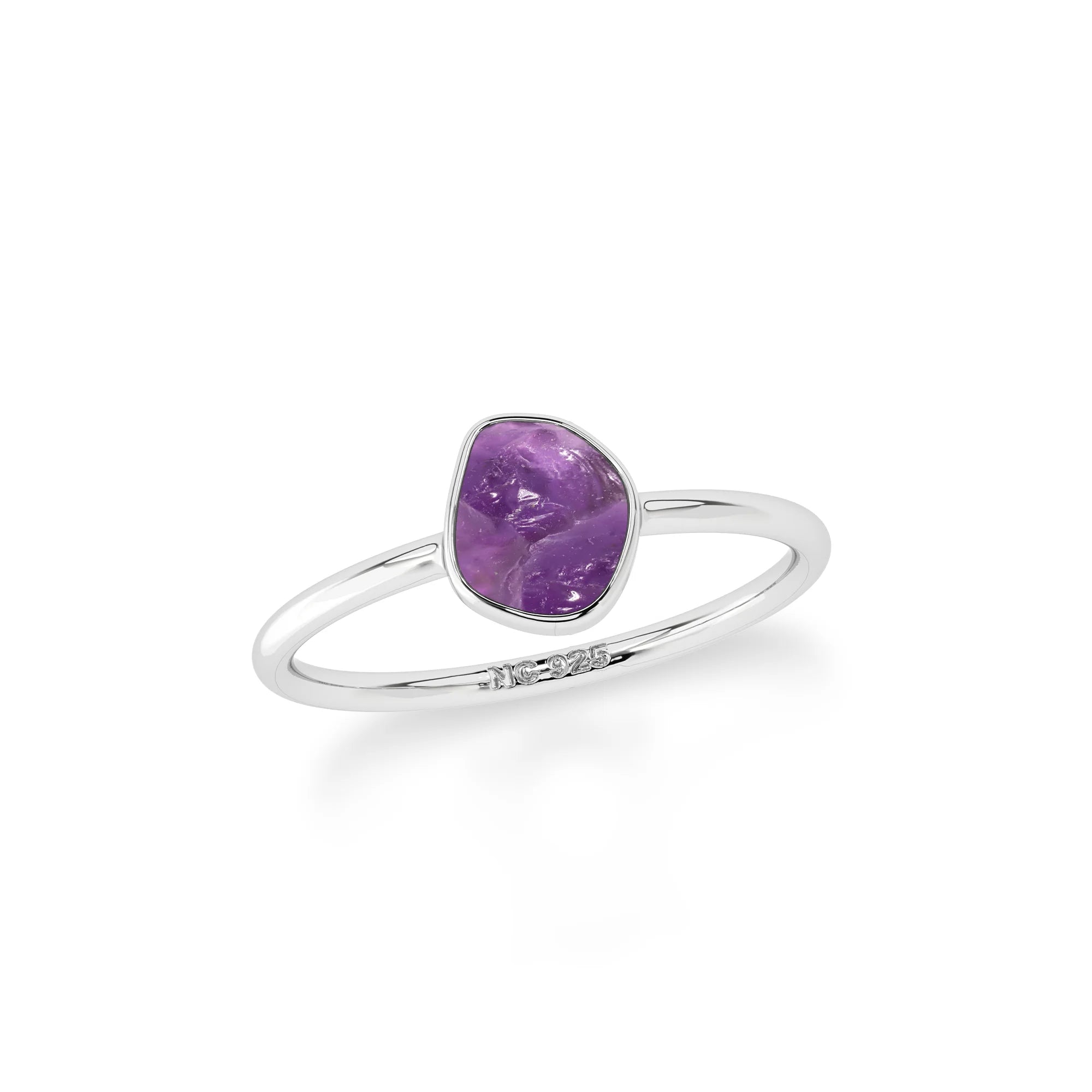
- 18" simple bezel-set amethyst solitaire pendant
- 20" thin herringbone chain
Bold maximalist stack:
- 16" thick curb chain (statement on its own)
- 20" Ethiopian opal pendant
- 24" layering necklace with small charms
How Retailers Can Use This Guide
As a wholesale buyer and reseller, this guide gives you:
- A sales script for advising customers on necklace pairings — "Let me show you how to wear these three together"
- A merchandising template — display layered necklaces on bust forms showing the pre-assembled look rather than individual pieces
- A higher average order value — Selling three necklaces as a curated set is more valuable than selling one at a time
- Content for social media — A flat lay showing a layered stack is among the most shareable jewelry content formats
What lengths do you need to layer necklaces?
The classic 3-layer stack uses necklaces at 16", 18"–20", and 22"–24" — providing clear separation between each layer. The minimum length difference between layers for visible separation is 2 inches; 4 inches is more reliable.
How do I keep layered necklaces from tangling?
Use a necklace separator/layering clasp, vary chain weights (heavier chains stay down), maximize length separation between layers, and use pendants that anchor their chains. Store each necklace separately when not wearing.
What necklaces go well together for layering?
Mix chain textures (cable + curb + box), vary pendant sizes (small + medium + large or none), and choose complementary or intentionally contrasting stone colors. A neutral stone (moonstone, labradorite) pairs well with a vivid color focal point (amethyst, turquoise, opal).
Can you layer three necklaces?
Yes — three is the most popular layered look. The formula: 16" plain/minimal chain, 18"–20" focal pendant, 22"–24" statement chain or second pendant. Keep 2–4 inches of length separation between each layer.
What length necklace should I wear first for layering?
Start with your shortest layer (14"–16") closest to the neck, then add longer layers cascading down. This creates the waterfall effect that makes layering look intentional rather than accidental.
Open Your Wholesale Account Today
500+ artisans. In-house lapidary. 100% solar-powered. Same-day shipping on orders before 2 PM PST. Just your business license to get started.