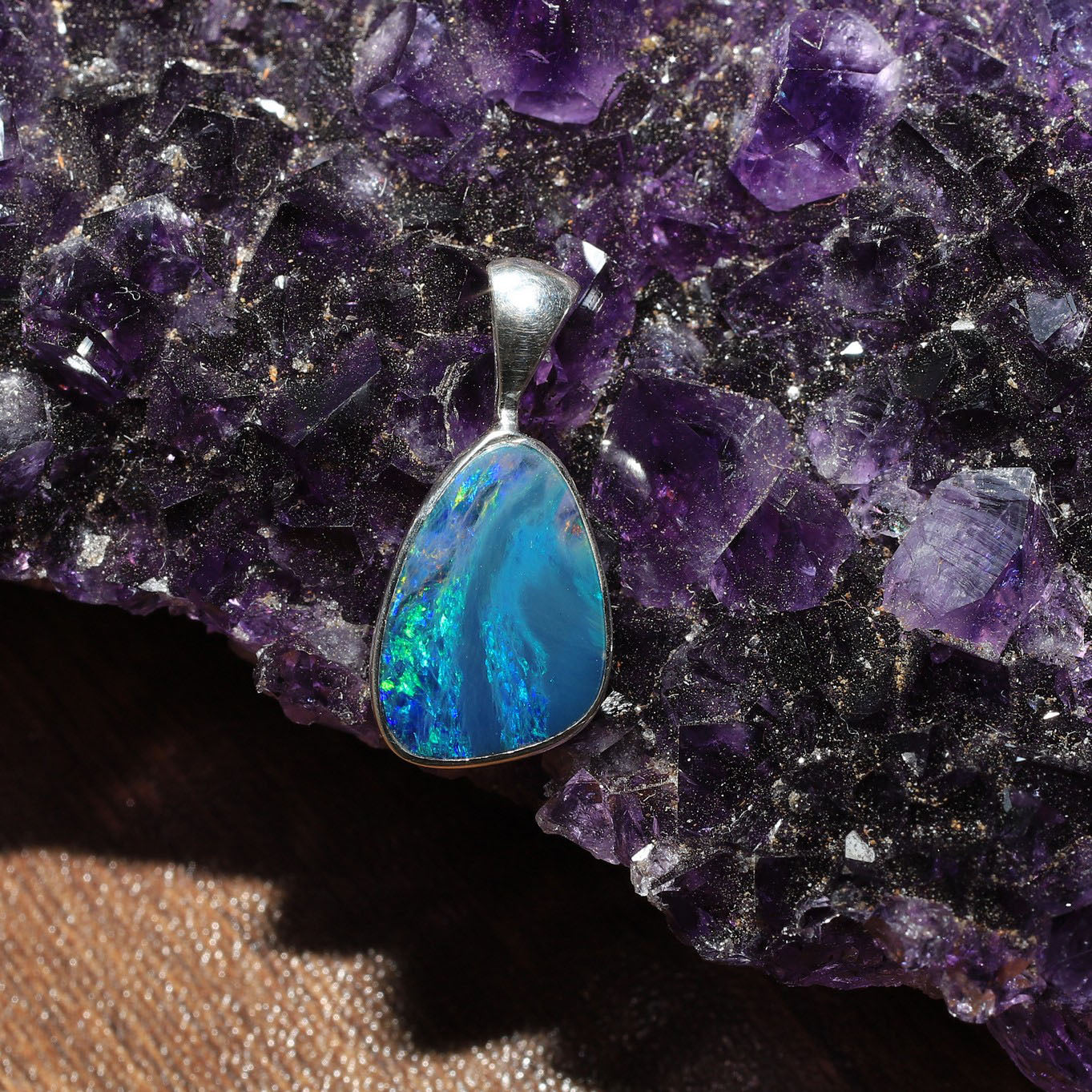

How to Clean and Care for Opal Jewelry: Complete Guide for Retailers and Buyers
How to Clean and Care for Opal Jewelry: Complete Guide for Retailers and Buyers
Learn how to care for opal jewelry the right way — cleaning methods, storage tips, display advice for retailers, and what to avoid so opals stay brilliant for y
To care for opal jewelry properly, clean it gently with a soft damp cloth, store it away from direct heat and sunlight, and never use ultrasonic cleaners or chemical solutions. Opal ranks 5.5 to 6.5 on the Mohs hardness scale — softer than quartz and nearly every popular gemstone in a retail case. That softness, combined with its unique water content, makes opal one of the most care-sensitive stones in the 925 sterling silver market. Retailers who educate customers on proper opal care see dramatically fewer returns. This guide covers everything you need to know.
Why Does Opal Require Special Care Compared to Other Gemstones?
Opal is not a crystalline mineral — it is a mineraloid composed of hydrated silicon dioxide (SiO₂·nH₂O). Its play-of-color comes from microscopic silica spheres that diffract light into spectral colors. Three factors make opal care different:
- Water content. Natural opal contains 3% to 21% water by weight. If the stone dehydrates through heat, dry storage, or prolonged sunlight, it can crack, craze (develop tiny surface fractures), or lose its play-of-color permanently.
- Mohs hardness of 5.5–6.5. Quartz dust is a 7 — meaning everyday dust can scratch an opal's surface over time.
- Porosity. Ethiopian opal is hydrophane — it absorbs water and other liquids through its porous structure. Exposure to oils, perfumes, or dyed liquids can cause permanent discoloration.
How Should You Clean Opal Jewelry Safely?
The safest method is the simplest:
- Dampen a soft, lint-free cloth with plain lukewarm water. Never use hot water.
- Wipe the opal gently to remove surface oils, dust, and residue.
- Wipe the sterling silver setting with the same damp cloth.
- Dry immediately with a separate soft, dry cloth.
- Air dry completely at room temperature before returning to storage.
No soap, no solutions, no equipment. For stubborn grime around setting prongs, use a soft-bristle brush dipped in lukewarm water — brush around the setting only, never directly on the opal.
What Should You Never Do with Opal Jewelry?
Opal Care Do's and Don'ts
| Do | Don't |
|---|---|
| Clean with a soft damp cloth and lukewarm water | Use ultrasonic cleaners — vibration fractures opal internally |
| Dry immediately after any water contact | Use steam cleaners — sudden heat causes thermal shock |
| Store in a cool, dark, padded environment | Soak in water, especially Ethiopian (hydrophane) opal |
| Remove opal rings before manual tasks | Expose to chemicals, bleach, ammonia, or jewelry dip solutions |
| Apply perfume and lotion before putting on opal jewelry | Wear opal while swimming in chlorinated or salt water |
| Store individually to prevent scratching | Store in direct sunlight or near heat sources |
| Handle by the silver setting, not the stone | Subject to rapid temperature fluctuations |
The ultrasonic warning deserves emphasis. Routine ultrasonic cleaning works for diamonds and sapphires but destroys opal. High-frequency vibration exploits micro-fractures in the silica structure, causing crazing or cracking. Tag every opal piece as "hand-clean only."
How Should You Store Opal Jewelry to Prevent Damage?
Most opal damage occurs in storage — dehydrating, overheating, or getting scratched by neighboring stones.
- Keep opal away from direct sunlight. UV and heat accelerate dehydration.
- Maintain 40–60% relative humidity. In arid climates or air-conditioned spaces, place a small damp cotton ball inside the storage container (not touching the stone).
- Store each piece individually. At 5.5–6.5 Mohs, almost any neighboring gemstone can scratch opal.
- Avoid temperature extremes. Never leave opal in a car, near a heating vent, or in a non-climate-controlled vault.
What Display Tips Should Retailers Follow for Opal?
- Use LED lighting only. LEDs produce minimal heat. Halogen and incandescent bulbs dehydrate opal in display cases.
- Rotate pieces regularly. Move opal stock between the display case and cool, dark storage.
- Position away from direct light. Place opal on lower shelves rather than directly under bulbs.
- Maintain humidity in closed cases. A small humidity stabilizer (not silica gel) helps.
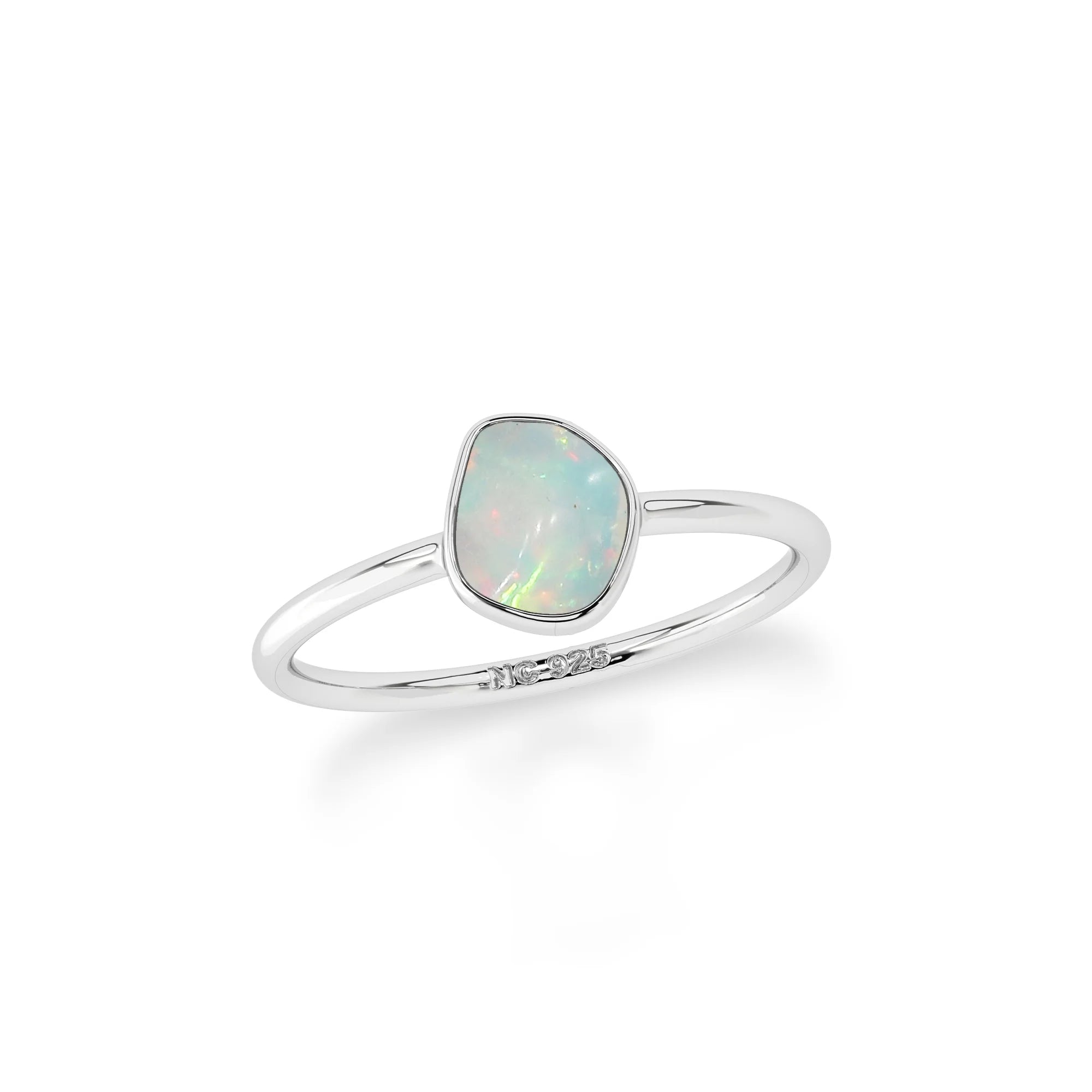
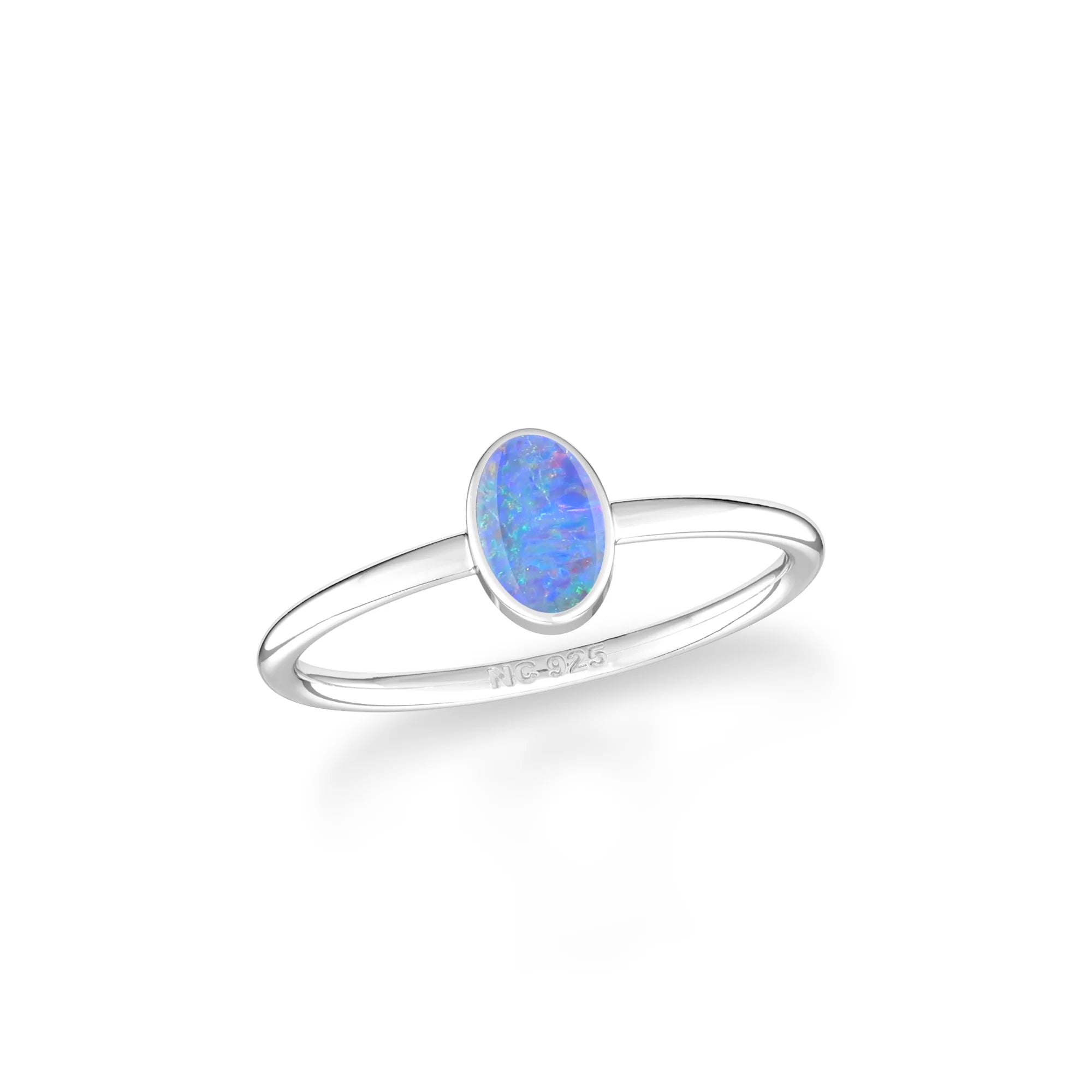
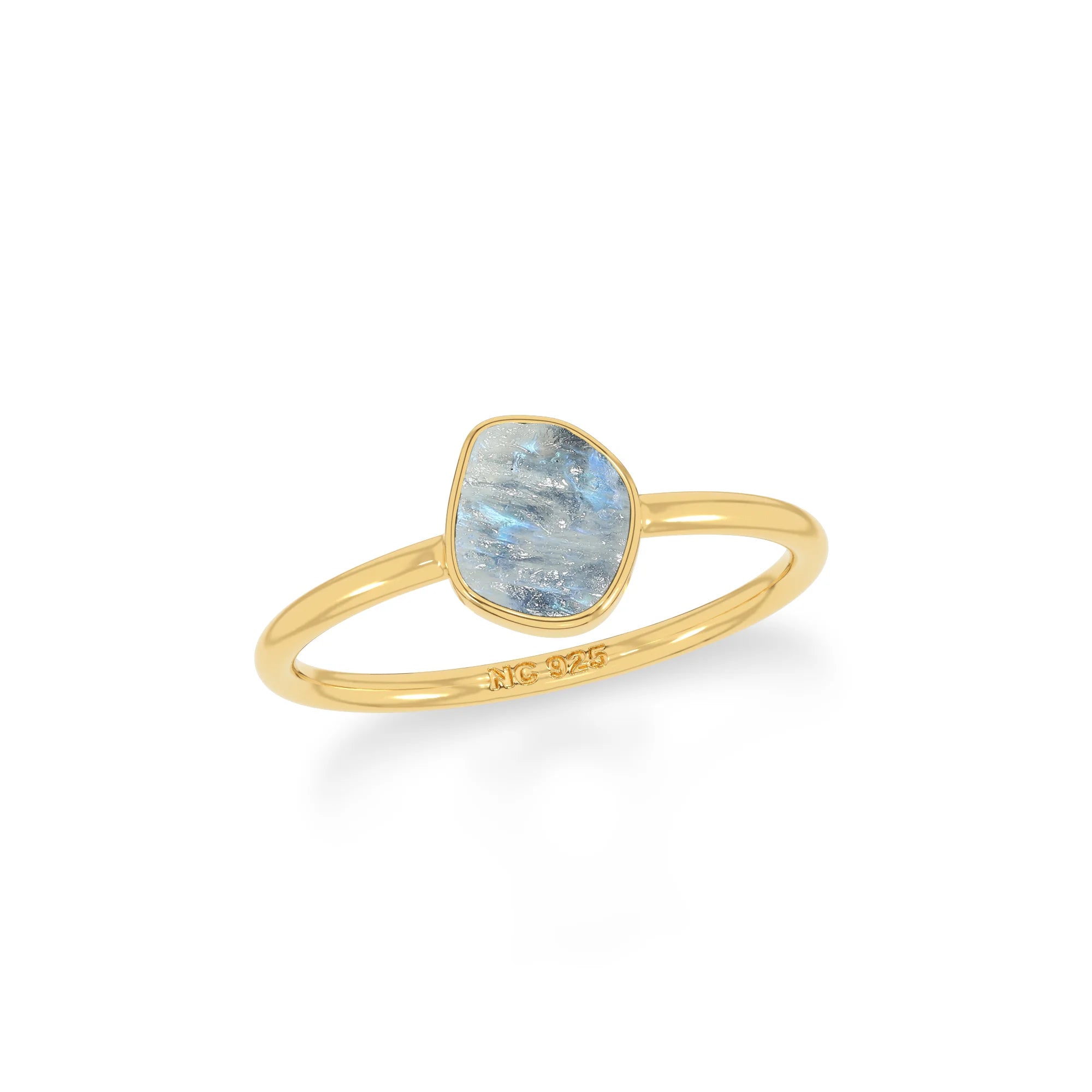
Natural Creations 925 designs opal settings in 925 sterling silver with protective bezel and channel configurations because the stone demands it. Prong settings expose more surface area; bezels shield the edges and reduce chipping risk. When sourcing wholesale opal, setting design matters as much as stone quality.
What Is the Difference Between Ethiopian and Australian Opal Care?
Australian opal (Lightning Ridge, Coober Pedy) is generally non-porous and more stable. It still requires standard opal care but tolerates brief water contact and moderate humidity swings.
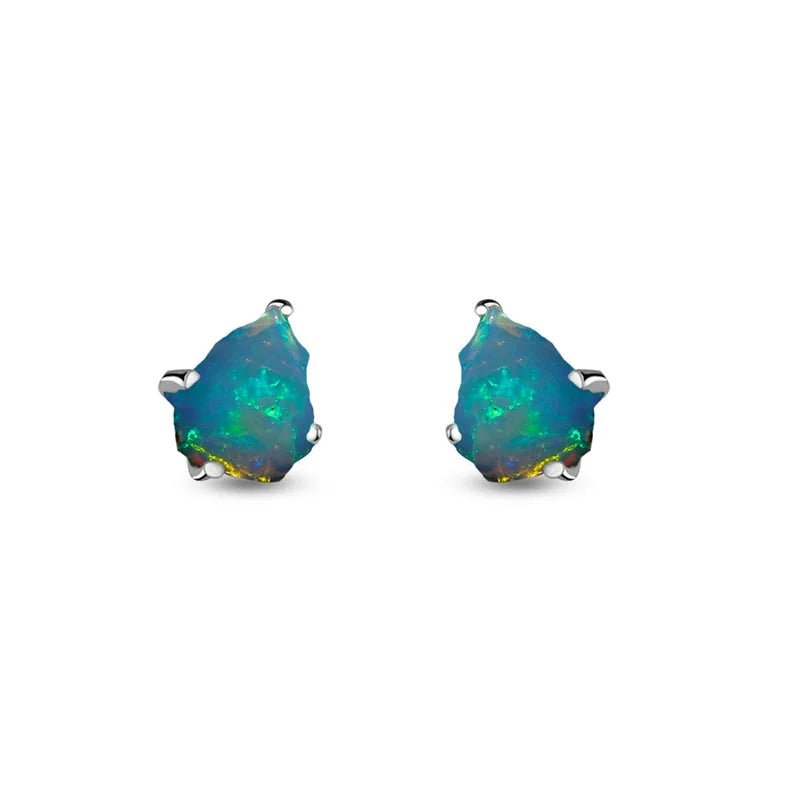
Ethiopian opal (Welo Province) is hydrophane — it absorbs water like a sponge. When saturated, it temporarily becomes translucent and appears to "lose" its color play. The color returns as it dries, but if the stone absorbs oils or chemicals instead of water, the discoloration may be permanent.
Retail takeaway: Ethiopian opal should come with a care card noting the hydrophane property. Informed customers do not file complaints when their opal behaves exactly as described.
At Natural Creations 925, the in-house lapidary team in the factory inspects and grades opal rough before production, identifying hydrophane material and ensuring appropriate handling throughout cutting, polishing, and setting. That stone-specific expertise — backed by German precision machinery and over 500 skilled artisans — separates quality opal jewelry from commodity product.
Can opal jewelry get wet?
Solid Australian opal tolerates brief water contact — hand washing, light rain — but should be dried promptly. Ethiopian hydrophane opal absorbs water and should stay dry. Neither type should be worn while swimming, bathing, or showering.
How often should opal jewelry be cleaned?
Wipe with a soft damp cloth after every few wearings, or whenever visible oils and fingerprints accumulate. For retail display pieces, clean weekly. Frequent gentle maintenance is safer than occasional intensive cleaning.
Does opal need to be stored with moisture?
In environments below 30% relative humidity, a small damp cotton pad inside the storage container (not touching the stone) helps prevent dehydration. In moderate humidity (40–60%), a soft pouch or padded box is sufficient.
Can you wear opal rings every day?
Opal rings can be worn regularly but not during manual tasks. Remove before gardening, cleaning, exercising, and cooking. Earrings and pendants face less physical contact and are inherently safer for daily wear.
Why did my opal lose its color play?
Dehydration from heat or dry storage is the most common cause — silica spheres shrink slightly as water drops, disrupting diffraction. Ethiopian opal that absorbed water loses color temporarily until it dries. Chemical exposure can cause permanent damage. Storing a dehydrated opal in moderate humidity may restore some color, though results vary.
Open Your Wholesale Account Today
500+ artisans. In-house lapidary. 100% solar-powered. Same-day shipping on orders before 2 PM PST. Just your business license to get started.