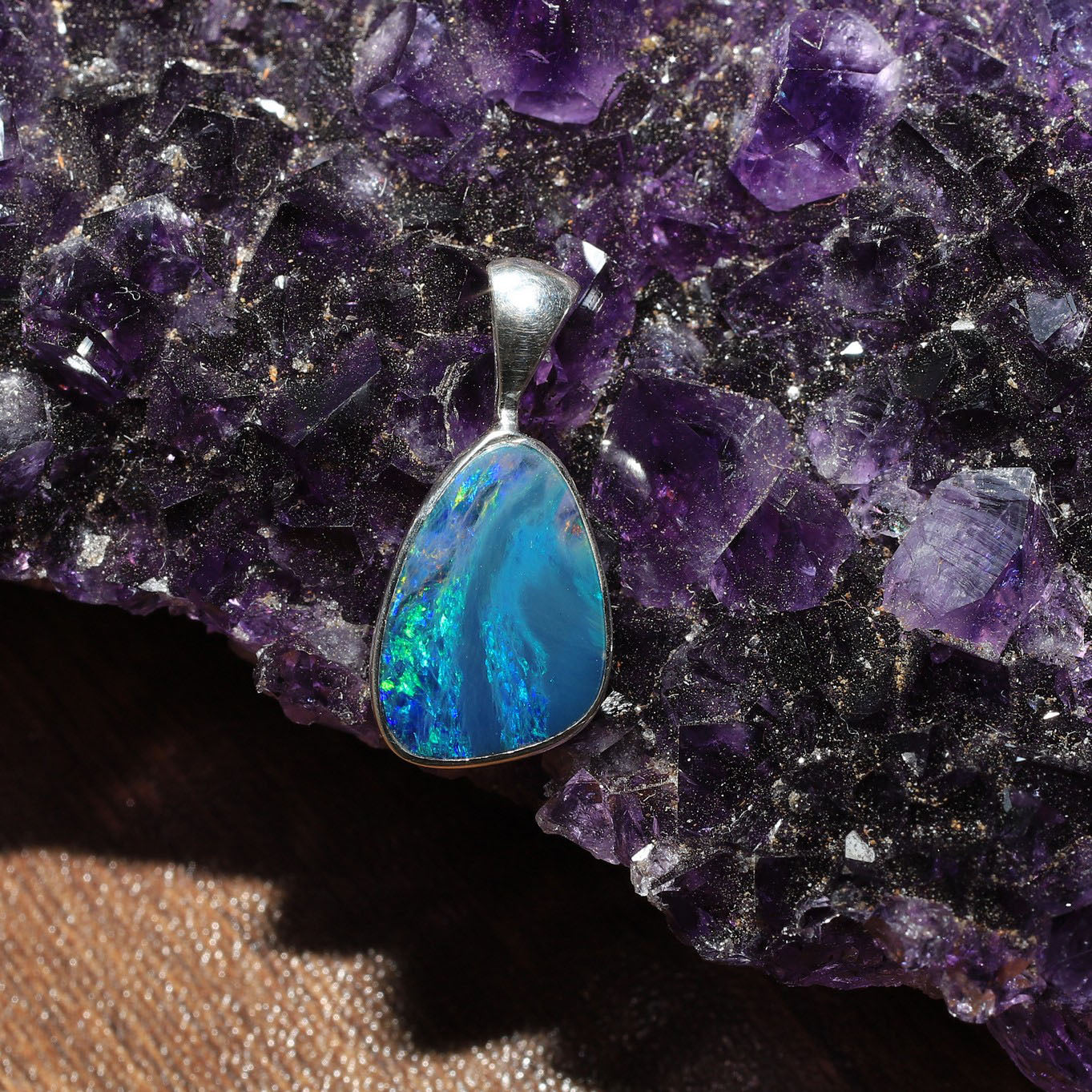

How to Clean and Care for Larimar Jewelry: Protecting the Caribbean Blue Stone
How to Clean and Care for Larimar Jewelry: Protecting the Caribbean Blue Stone
Learn how to care for larimar jewelry properly — cleaning, storage, sunlight protection, and handling tips to keep the Caribbean blue stone vibrant for years.
To care for larimar jewelry, clean it with lukewarm water and a soft cloth only, store it away from sunlight to prevent permanent color fading, and never expose it to ultrasonic cleaners, steamers, or chemicals. Larimar ranks just 4.5 to 5 on the Mohs hardness scale — softer than glass, softer than a steel knife, and significantly softer than most gemstones in a typical collection. Add the fact that prolonged sunlight permanently fades its Caribbean blue color, and you have a stone that demands informed care from both retailers and buyers.


What Is Larimar and Why Does It Need Extra Care?
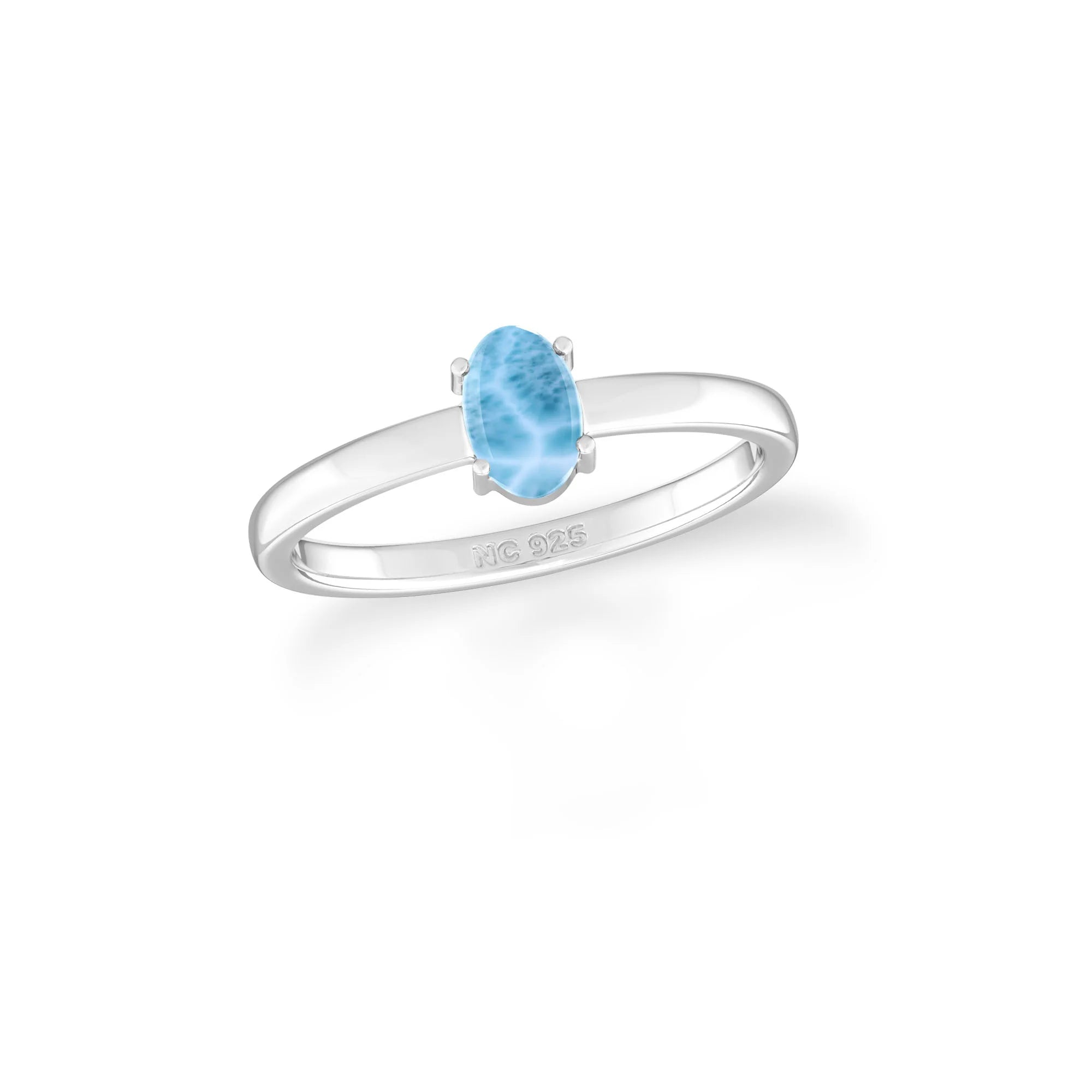
Larimar is a variety of pectolite found in only one place on Earth: the Bahoruco mountain range in the Dominican Republic. Its blue color comes from copper substitution within the crystal structure. Three properties make it more care-intensive than harder stones:
- Mohs hardness of 4.5–5. Everyday contact with countertops, keys, or other jewelry scratches the polished surface. Quartz dust (Mohs 7) damages larimar on contact.
- Photosensitivity. Larimar's blue fades with prolonged UV exposure. This is documented mineralogy — copper-related color centers degrade under sustained sunlight, shifting the stone toward pale blue or white permanently.
- Heat sensitivity. As a hydrated mineral containing hydroxyl groups, larimar can lose color intensity and develop surface cracking when exposed to high temperatures.
How Should You Clean Larimar Jewelry Properly?
- Dampen a soft, lint-free cloth in lukewarm (never hot) water.
- Wipe the larimar gently to remove fingerprints, oils, and dust.
- Clean the silver setting with the same damp cloth.
- Dry immediately with a clean, soft cloth.
- Air dry completely in a shaded location before storing.
If mild soap is necessary for stubborn grime around the setting (not on the stone), use one drop of pH-neutral soap in lukewarm water, then rinse all residue with a clean damp cloth. Never brush the larimar surface directly — at 4.5–5 Mohs, even soft bristles leave micro-scratches that accumulate into visible dulling.
What Should You Absolutely Avoid with Larimar Jewelry?
Larimar Care Do's and Don'ts
| Do | Don't |
|---|---|
| Clean with lukewarm water and a soft cloth only | Use ultrasonic cleaners — vibration fractures soft larimar |
| Store in a dark, cool, padded location | Use steam cleaners — heat and moisture stress the stone |
| Remove larimar before household chores | Expose to direct sunlight for extended periods — color fades permanently |
| Put on larimar last, after perfume and lotion | Apply perfume, hairspray, or sunscreen while wearing larimar |
| Handle by the silver setting whenever possible | Clean with ammonia, bleach, jewelry dip, or any chemical |
| Store each piece separately in a soft pouch | Store larimar loose with harder gemstones that scratch it |
| Rotate display stock away from case lighting | Leave larimar under display lights indefinitely |
The sunlight warning is the most important care fact for larimar. A ring worn daily on a sun-exposed hand, a pendant in a sunny shop window, or a collection on a sunlit dresser — all cause gradual, permanent color loss. The stone does not recover once faded.
How Should You Store Larimar to Preserve Its Color?
- Store in complete darkness when not being worn. A closed jewelry box, a fabric pouch inside a drawer, or a padded compartment away from any light. Darkness is the single best preservation strategy.
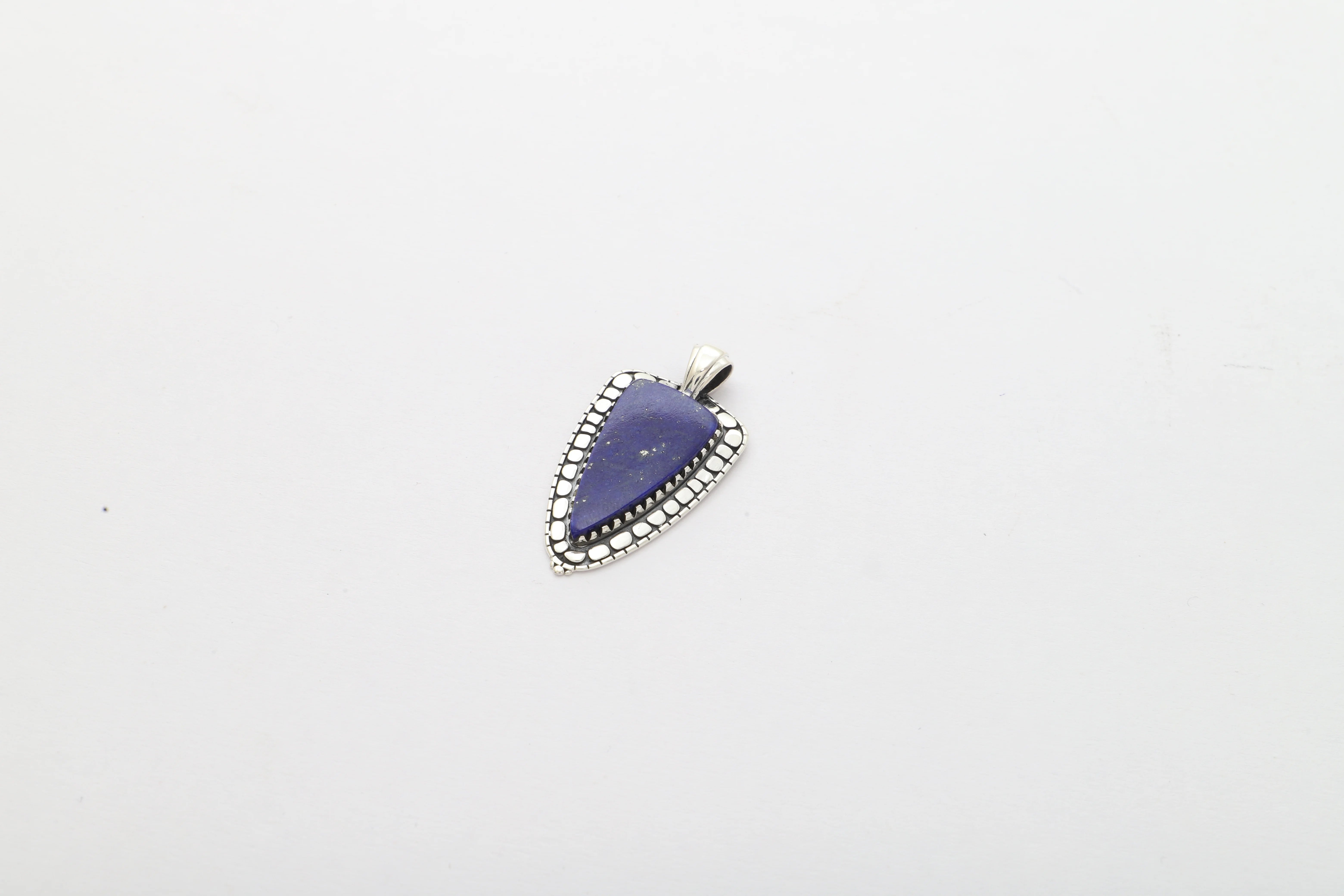
- Keep pieces separated. Larimar at 4.5–5 Mohs is softer than turquoise (5–6), lapis lazuli (5–5.5), and nearly every other stone it might share space with.
- Maintain a cool, stable temperature. Avoid windows, heating vents, fireplaces, and vehicles.
- Standard indoor humidity (40–60%) is fine. No need for desiccants — excessive dryness offers no benefit for larimar.
For retailers with significant larimar inventory, the back-of-house environment matters as much as the display case. Stock stored in a warm, lit stockroom is actively depreciating.
Why Does Larimar Require More Care Than Harder Stones?
| Property | Larimar | Amethyst | Blue Topaz | Sapphire |
|---|---|---|---|---|
| Mohs Hardness | 4.5–5 | 7 | 8 | 9 |
| Scratches from dust? | Yes | No | No | No |
| Fades in sunlight? | Yes, permanently | Slowly | No | No |
| Ultrasonic safe? | No | Generally yes | Yes | Yes |
| Chemical sensitivity | High | Low | Low | Very low |
Larimar is vulnerable on every axis where harder stones are resilient. This does not make it a poor choice — its unique Caribbean blue and single-source rarity create strong demand and healthy margins. It means retailers need a specific care strategy for larimar, separate from harder collections.
Natural Creations 925 accounts for larimar's softness throughout manufacturing. In the 60,000 square foot solar-powered factory, larimar stones are cut and polished in the in-house lapidary using protocols designed for sub-5 Mohs materials. Settings feature protective bezels and channel designs that shield vulnerable edges. Over 500 artisans — 75% of whom are women — handle larimar with the specific care training this stone demands.
How Should Retailers Display Larimar Jewelry?
- Use LED lighting exclusively. LEDs emit minimal UV and heat — the two things that damage larimar most.
- Position larimar away from direct light. The blue is visible and attractive even under moderate indirect lighting.
- Rotate stock every few days. Do not leave the same pieces under display lighting for weeks.
- Never display larimar in a window. Sunlit displays are the fastest path to faded inventory.
- Include care cards with every sale. Customers who know what to expect do not file complaints when their stone responds to UV exactly as science predicts.
How Can You Tell If Larimar Has Been Damaged?
- Color fading. Deep Caribbean blue shifts toward pale blue, then grayish-white. Compare to purchase photos if available.
- Surface dulling. Accumulated micro-scratches create a hazy appearance. Professional re-polishing can sometimes improve this.
- Surface cracking. Extreme heat exposure causes fine cracks indicating structural dehydration — irreversible.
All of these are preventable. Larimar worn with awareness and stored in darkness retains its beauty for generations.
Does larimar really fade in sunlight?
Yes. The copper-based color centers degrade under sustained UV exposure, causing permanent lightening. Occasional brief sun exposure during normal wear is not a major concern — damage accumulates over prolonged, repeated exposure. Storing in darkness when not wearing it is the most effective preservation.
Can you wear larimar jewelry every day?
Pendants and earrings experience minimal contact and can be worn regularly. Rings and bracelets require more caution — hands encounter hard surfaces constantly. Remove larimar rings before manual tasks and store in a soft pouch when not wearing.
Is larimar safe to get wet?
Brief water contact from hand washing will not cause damage. Avoid prolonged soaking, swimming (especially chlorinated or salt water), and showering. Always dry larimar immediately and completely after water contact.
Can faded larimar be restored?
No. Once the blue has faded from UV or heat exposure, the change is permanent. No treatment or re-polishing restores the original color. Prevention — dark storage, limited sun exposure, LED display lighting — is the only strategy.
What is the best setting type for larimar?
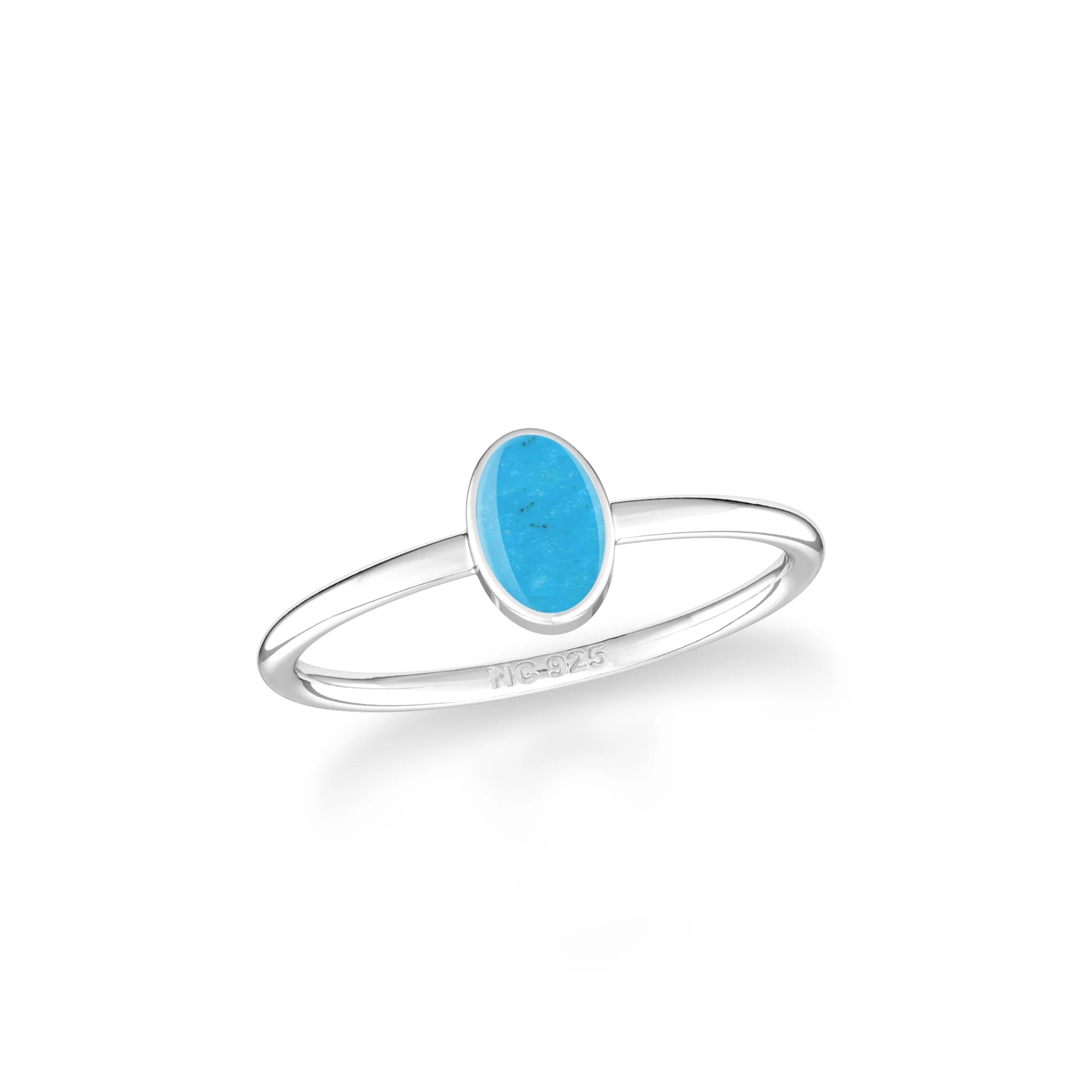
Bezel settings provide the most protection by surrounding the stone with a sterling silver wall, shielding edges from impact. Channel settings offer similar protection for multi-stone designs. Prong settings leave more stone exposed — acceptable for earrings but less ideal for rings.
Open Your Wholesale Account Today
500+ artisans. In-house lapidary. 100% solar-powered. Same-day shipping on orders before 2 PM PST. Just your business license to get started.