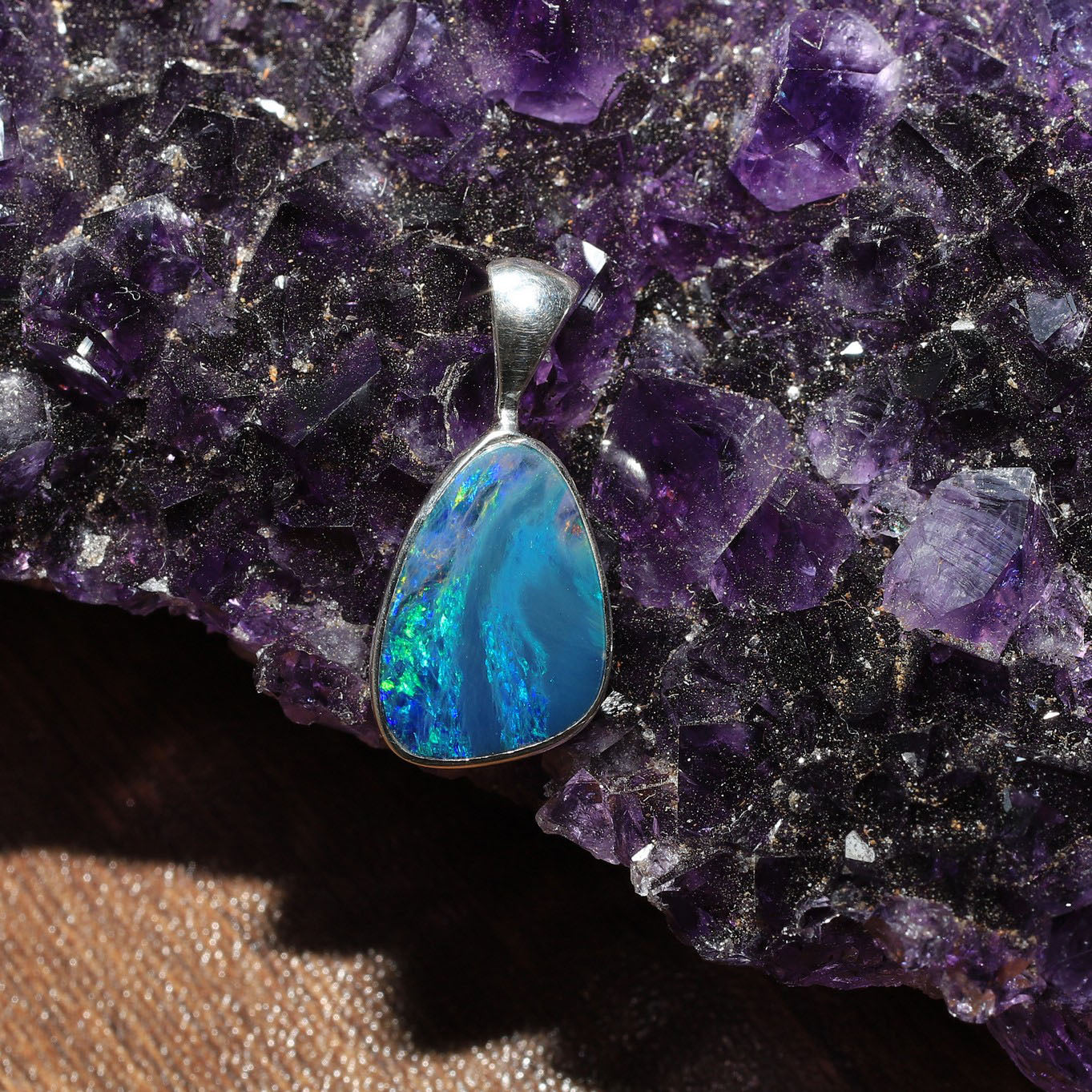

How to Care for 925 Sterling Silver Gemstone Jewelry: Cleaning, Storage, and Tarnish Prevention
How to Care for 925 Sterling Silver Gemstone Jewelry: Cleaning, Storage, and Tarnish Prevention
Complete guide to caring for 925 sterling silver gemstone jewelry — cleaning methods, storage tips, tarnish prevention, and gemstone-specific care.
Proper care extends the life and beauty of 925 sterling silver gemstone jewelry significantly — and knowing the right approach for silver combined with delicate gemstones prevents accidental damage that even expensive repairs can't always undo. This guide covers everything you need to keep your pieces looking newly polished for years.
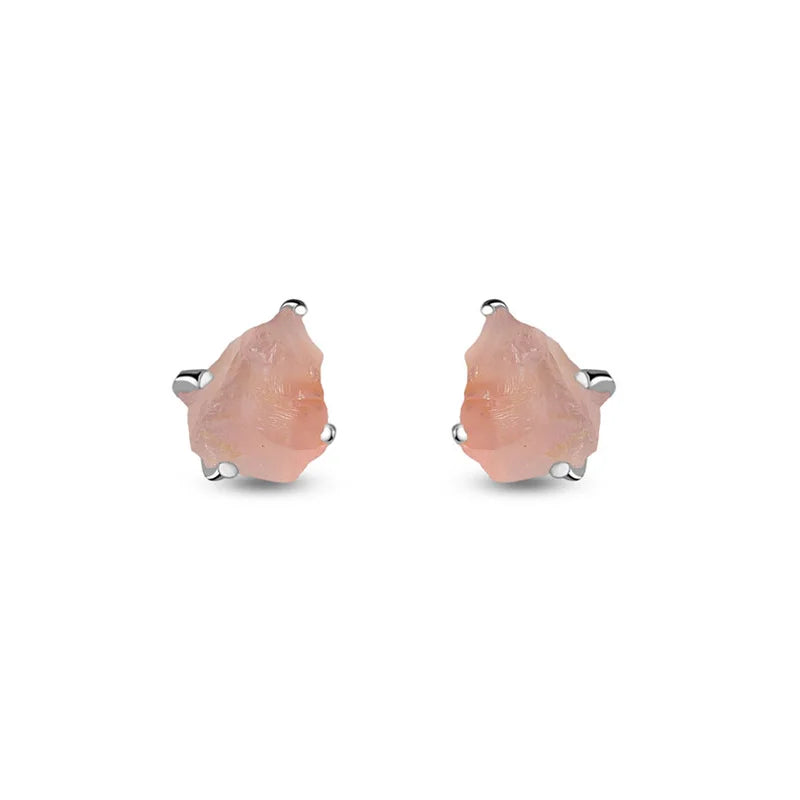
Why Sterling Silver Tarnishes (And Why That's Normal)
Tarnish is not a defect — it's chemistry. The copper in the 925 sterling silver alloy (that 7.5% non-silver component) reacts with sulfur compounds in the air to form silver sulfide, a dark gray to black surface coating. This reaction is accelerated by:
- Humidity and moisture
- Perfumes, lotions, and body chemicals
- Chlorine (pools and hot tubs)
- Rubber bands and latex
- Certain fabrics (especially wool, which contains sulfur)
The good news: tarnish is entirely surface-level and reversible. It does not damage the silver itself — it just needs to be removed.
Cleaning Methods for Sterling Silver Jewelry
Method 1: Polishing Cloth (Best for Routine Maintenance)
A silver polishing cloth (microfiber impregnated with mild polishing compound) is the safest, most reliable cleaning tool for sterling silver. Use a gentle back-and-forth motion — not circular, which can leave micro-scratches on polished surfaces.
Safe for: All sterling silver pieces, including those with gemstones Use for: Light tarnish, routine maintenance, pre-display polishing
Method 2: Mild Soap and Warm Water
Mix a drop of mild dish soap (unscented, no added moisturizers) in a bowl of warm (not hot) water. Dip a soft-bristle toothbrush and gently scrub silver surfaces. Rinse thoroughly with clean water and dry immediately with a soft cloth.
Safe for: Hard gemstones (quartz family: amethyst, citrine, rose quartz; corundum: sapphire, ruby; topaz) Avoid for: Soft or porous stones (opal, turquoise, larimar, coral, pearl, moonstone — clean these by wiping only, never submerging)
Method 3: Baking Soda Paste
Mix baking soda with a few drops of water to form a paste. Apply with a soft cloth, rub gently, rinse thoroughly, and dry. Effective for moderate tarnish.
Safe for: Plain silver pieces without stones or with hard, non-porous stones Avoid for: Oxidized silver (intentional black patina) — baking soda will strip the oxidization
Method 4: Aluminum Foil + Baking Soda Bath
This chemical reaction method works for heavily tarnished plain silver pieces. Line a glass dish with aluminum foil (shiny side up), place silver pieces on it, sprinkle with baking soda, and pour in boiling water. The sulfide on the silver transfers to the foil.
Safe for: Plain sterling silver pieces only — NO gemstones, as boiling water can damage stones and settings Best for: Heavily tarnished chains, plain bands, plain settings
Gemstone-Specific Care Guidelines
Different gemstones require different handling alongside the silver:
| Gemstone | Mohs Hardness | Safe to Submerge? | Cleaning Method |
|---|---|---|---|
| Amethyst | 7 | Yes (briefly) | Soap and water, soft brush |
| Turquoise | 5–6 | No | Wipe only with damp cloth |
| Opal | 5.5–6.5 | No | Wipe only — opals absorb water |
| Moonstone | 6–6.5 | Brief | Damp cloth, no soaking |
| Labradorite | 6–6.5 | Brief | Damp cloth, minimal moisture |
| Emerald | 7.5–8 | No (treated) | Wipe with damp cloth only |
| Tourmaline | 7–7.5 | Yes (briefly) | Gentle soap and water |
| Larimar | 4.5–5 | No | Wipe only |
| Pearl | 2.5–4.5 | No | Dry wipe only |
| Coral | 3–4 | No | Dry wipe only |
Golden rule: When in doubt, wipe — don't soak.
What to AVOID with Sterling Silver Gemstone Jewelry
✗ Chlorine and bleach — Severely damage silver and can crack or discolor many gemstones. Remove jewelry before swimming in pools or hot tubs.
✗ Ultrasonic cleaners — Safe for hard stones like sapphire and diamond, but will damage opal, turquoise, emerald (treated), moonstone, and larimar. Avoid for gemstone-set pieces unless you know every stone's properties.
✗ Steam cleaning — The high heat and pressure can loosen stone settings and damage heat-sensitive gems (opal, turquoise, pearls).
✗ Toothpaste — A common folk remedy that actually scratches silver's surface. The abrasive particles in toothpaste are too harsh for polished silver.
✗ Chemical dips (commercial silver dips) — These aggressive solutions strip tarnish quickly but can also damage gemstone surfaces, dull finishes, and destroy oxidized patinas on intentionally blackened silver.
✗ Rubber gloves or rubber bands — Rubber accelerates tarnish on silver dramatically. Never store silver in contact with rubber products.
Storage: The Most Important Tarnish Prevention Step
How you store sterling silver jewelry matters as much as how you clean it:
Anti-Tarnish Pouches or Cloth
Store pieces individually in anti-tarnish fabric pouches or wrap them in anti-tarnish tissue. These materials absorb sulfur compounds before they can reach the silver.
Airtight Storage
Reducing air exposure slows tarnish significantly. Small zip-lock bags with a small piece of chalk (which absorbs moisture) are an inexpensive and effective storage method.
Silica Gel Packets
Place silica gel desiccant packets in your jewelry storage to absorb moisture — one of the primary tarnish accelerators.
Separate Storage for Each Piece
Storing pieces together allows them to scratch each other. Store items individually or with padding between them, especially pieces with gemstones.
Keep Away From Direct Sunlight
Prolonged UV exposure can fade some gemstones (amethyst, rose quartz, topaz) and accelerate tarnishing of the silver.
Retailer Tips: How to Present Care Information to Your Customers
As a reseller or boutique owner, including care instructions with every jewelry sale dramatically reduces returns, increases customer satisfaction, and positions you as a knowledgeable, trustworthy seller.
Simple care card insert for sterling silver gemstone jewelry:
"Your piece is crafted from genuine 925 sterling silver. To keep it beautiful: Store in the anti-tarnish pouch provided. Polish with a soft cloth if tarnish appears. Remove before swimming or applying lotions/perfume. Avoid submerging if your piece features opal, turquoise, or moonstone."
This takes 30 seconds to include and prevents 80% of the care-related questions and complaints you'd otherwise receive.
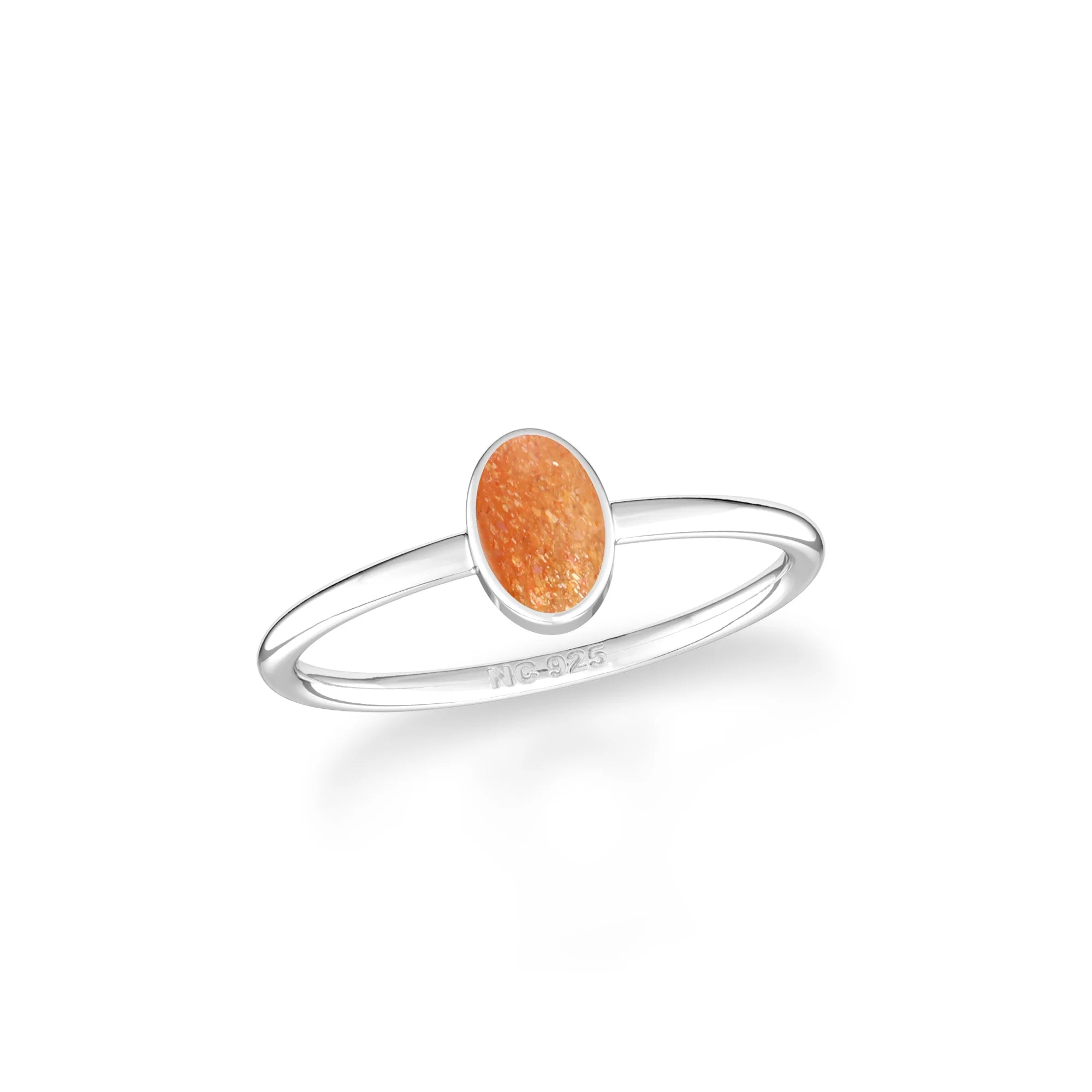
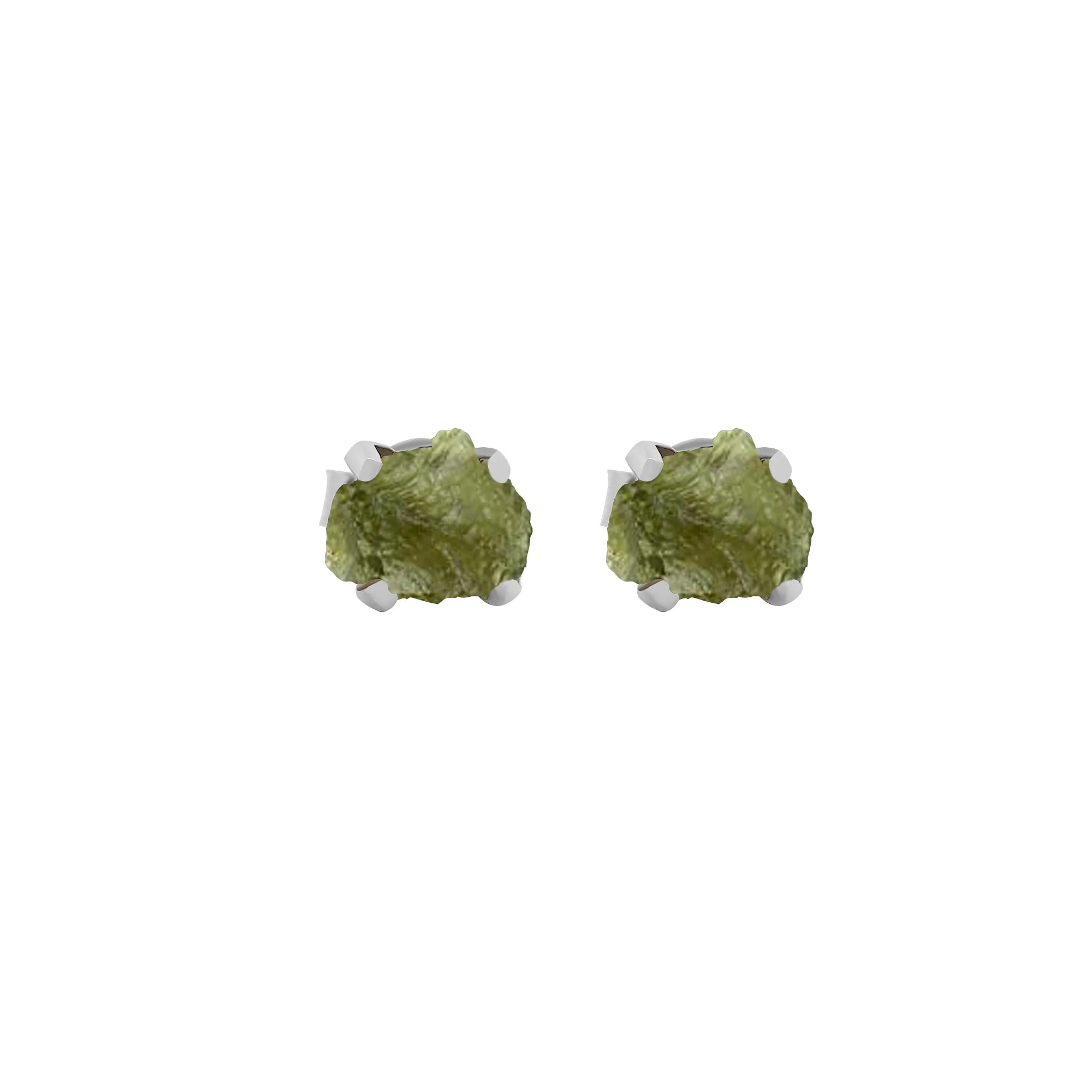
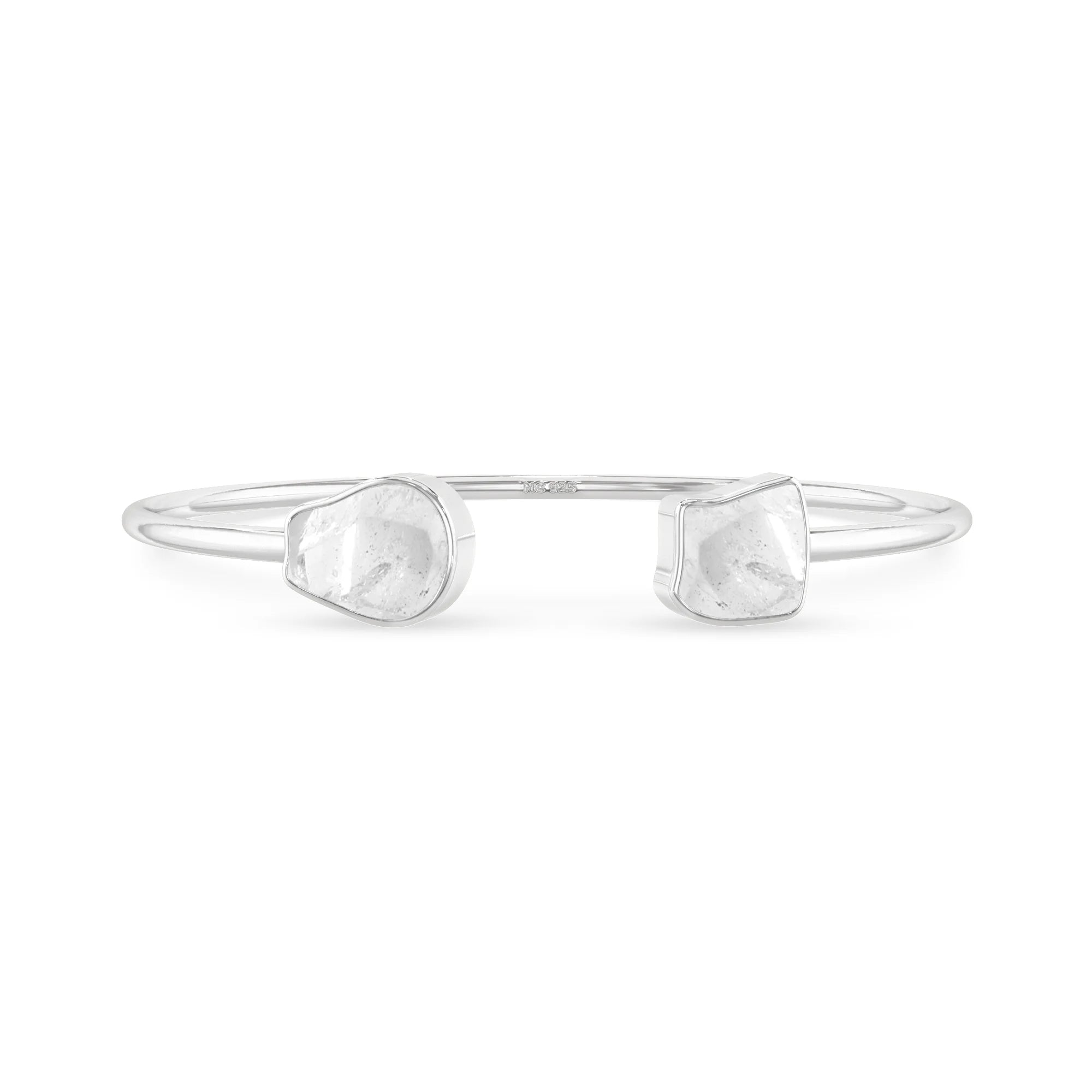
How often should I clean 925 sterling silver jewelry?
Polish with a silver cloth as needed when tarnish appears — for regularly worn pieces, this might be monthly. For pieces in storage, inspect quarterly. With proper storage, cleaning needs drop significantly.
Does sterling silver jewelry tarnish faster in humid climates?
Yes — humidity accelerates the tarnish reaction significantly. Buyers in Australia, New Zealand, the UK, and coastal US markets should invest in airtight storage and anti-tarnish pouches more than those in dry climates.
Can I clean sterling silver gemstone jewelry with vinegar?
Not recommended for pieces with gemstones — vinegar's acidity can damage porous stones like turquoise, opal, and larimar. For plain sterling silver, diluted white vinegar with baking soda can remove heavy tarnish, but the soap-and-water method is safer and effective for most tarnish.
Why does my sterling silver ring leave a black mark on my skin?
This can occur when the copper in the silver alloy reacts with the acids in your skin. It's harmless and more common with rings than other jewelry types due to the closed contact. Higher-quality silver alloys and proper finishing minimize this tendency.
How do I clean oxidized sterling silver without removing the black patina?
Use only a soft polishing cloth on the raised (non-blackened) surfaces. Avoid submerging oxidized pieces in cleaning solutions or using chemical silver dips, which will strip the intentional oxidization. Natural Creations 925 produces oxidized silver jewelry that should be maintained with this gentle approach.
Open Your Wholesale Account Today
500+ artisans. In-house lapidary. 100% solar-powered. Same-day shipping on orders before 2 PM PST. Just your business license to get started.