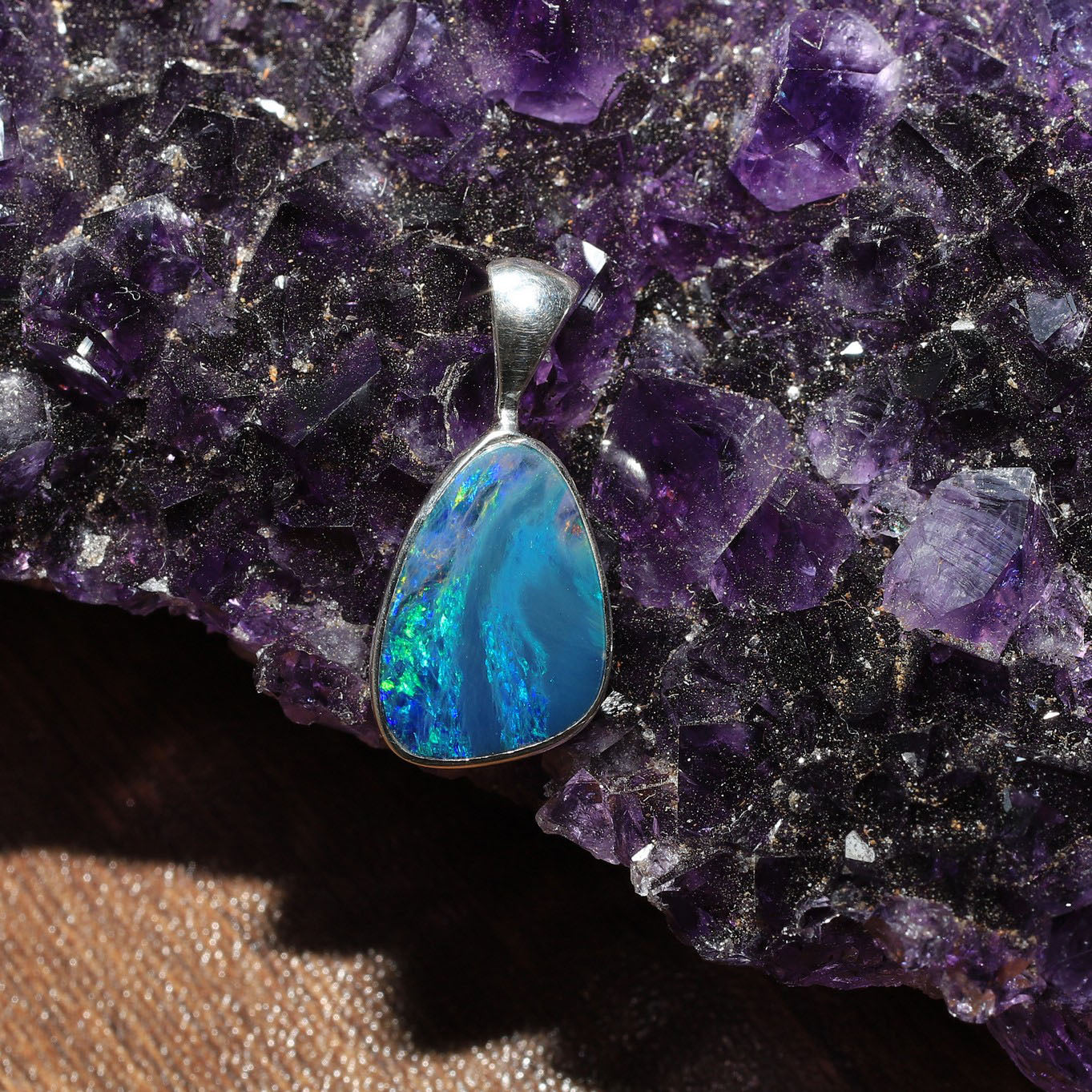

How Natural Creations 925 Sources Gemstones: From Rough Stone to Finished Jewelry
How Natural Creations 925 Sources Gemstones: From Rough Stone to Finished Jewelry
How Natural Creations 925 sources gemstones — from global rough stone markets through in-house lapidary cutting to finished 925 sterling silver jewelry.
Most wholesale jewelry suppliers buy pre-cut, pre-polished gemstones from brokers who've already taken their margin. Natural Creations 925 does something fundamentally different — and the difference shows in every piece they produce.
This is the full story of how a gemstone goes from rough crystal in a mine to a finished piece of 925 sterling silver jewelry shipping from our Las Vegas Manufacturer Direct Warehouse to wholesale buyers across the world.
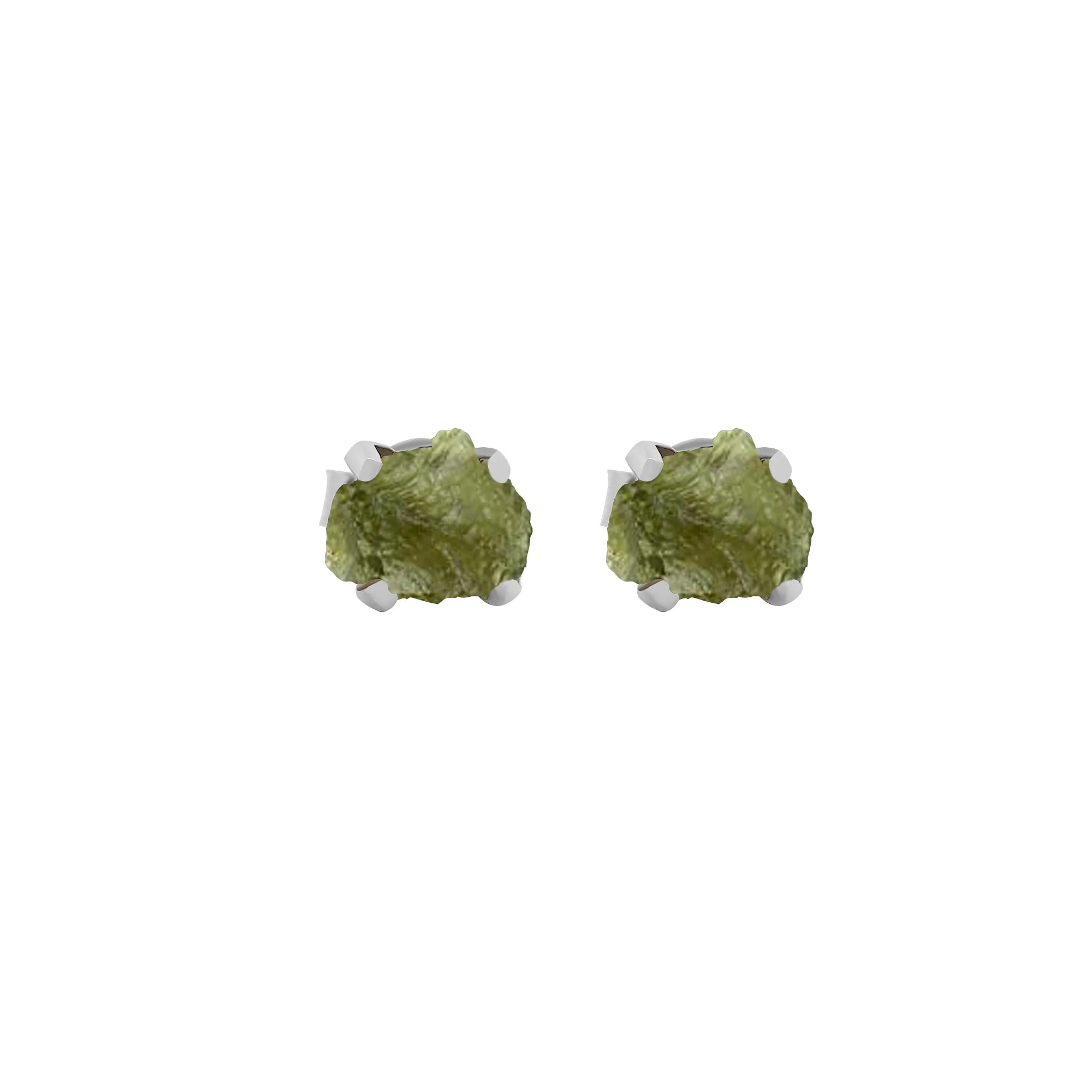
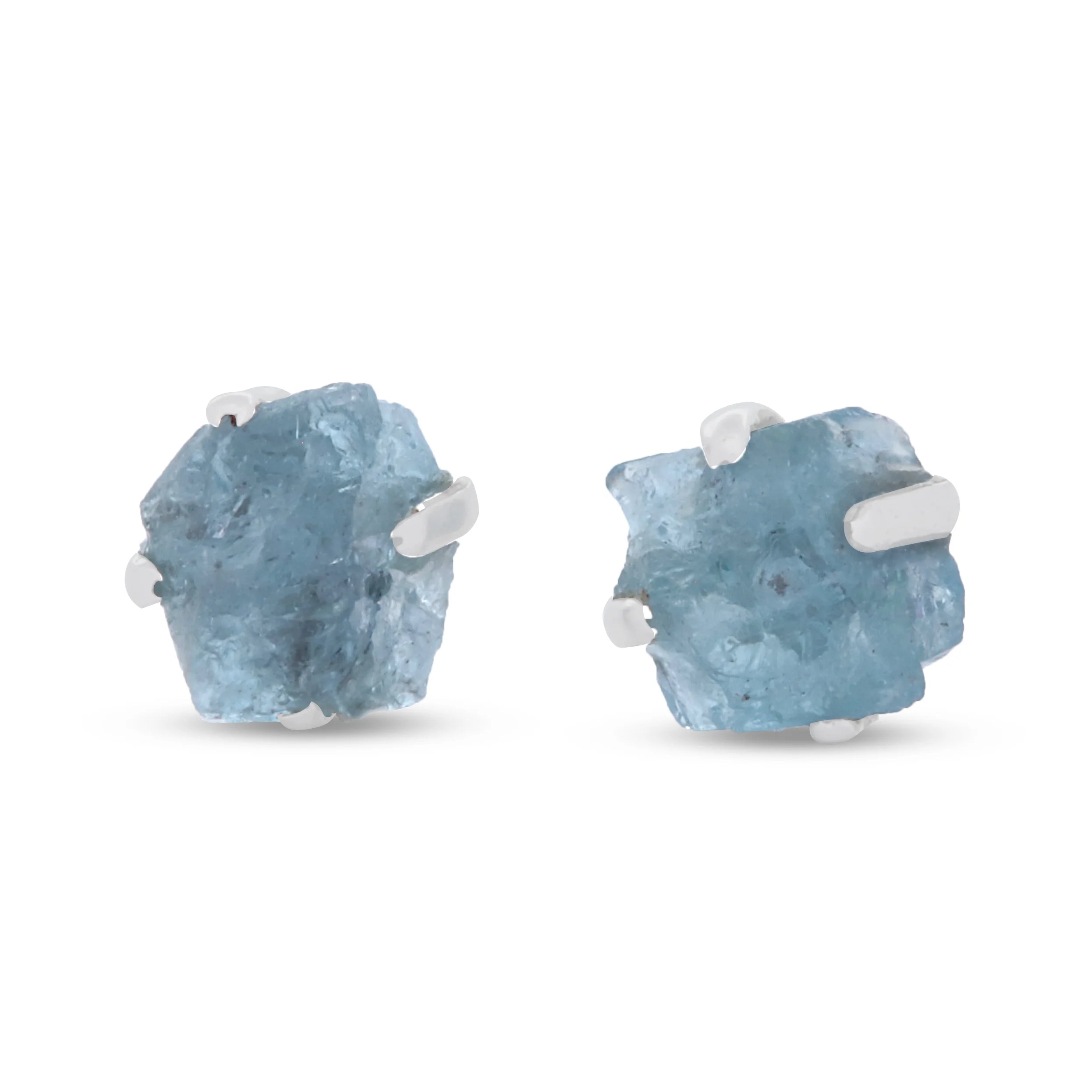
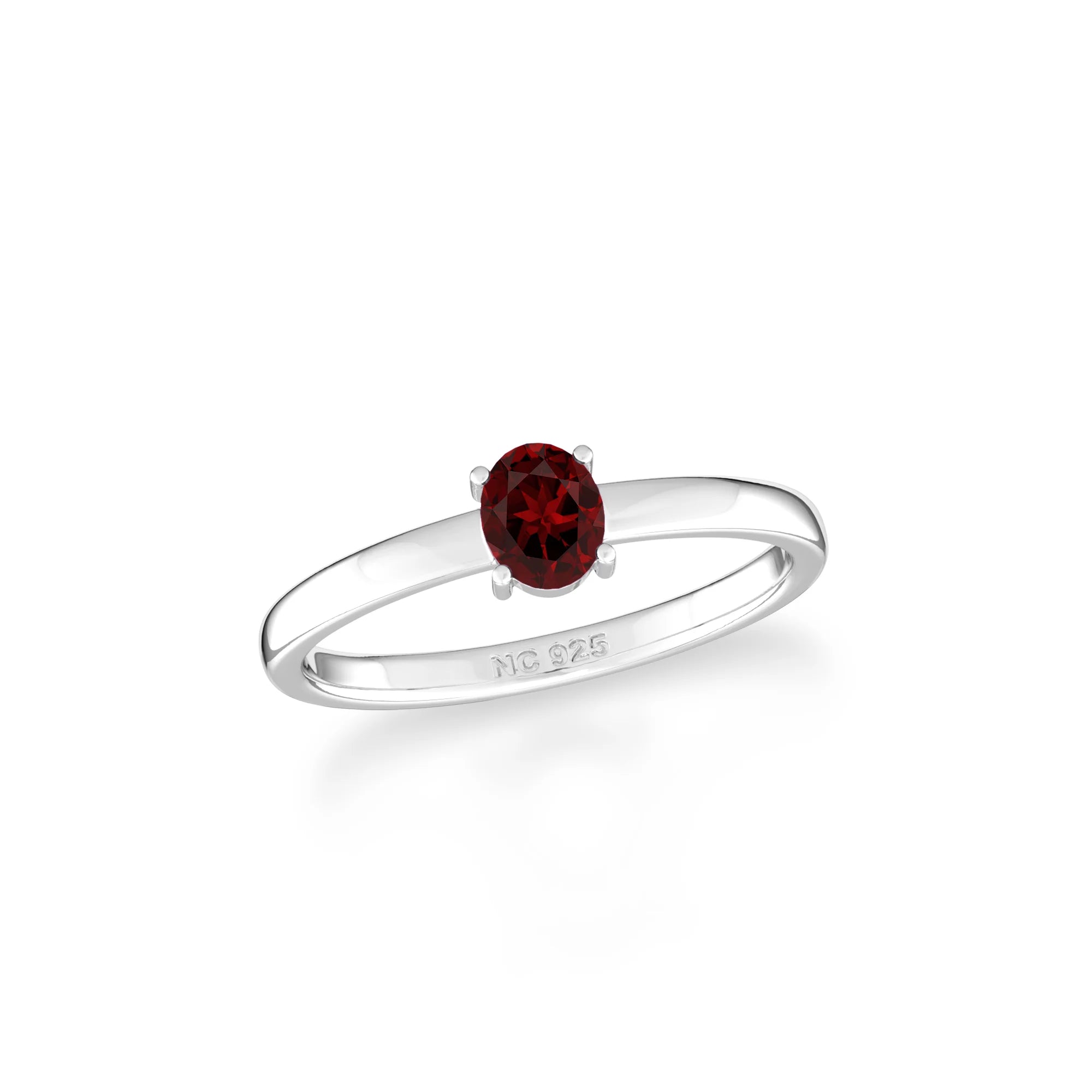
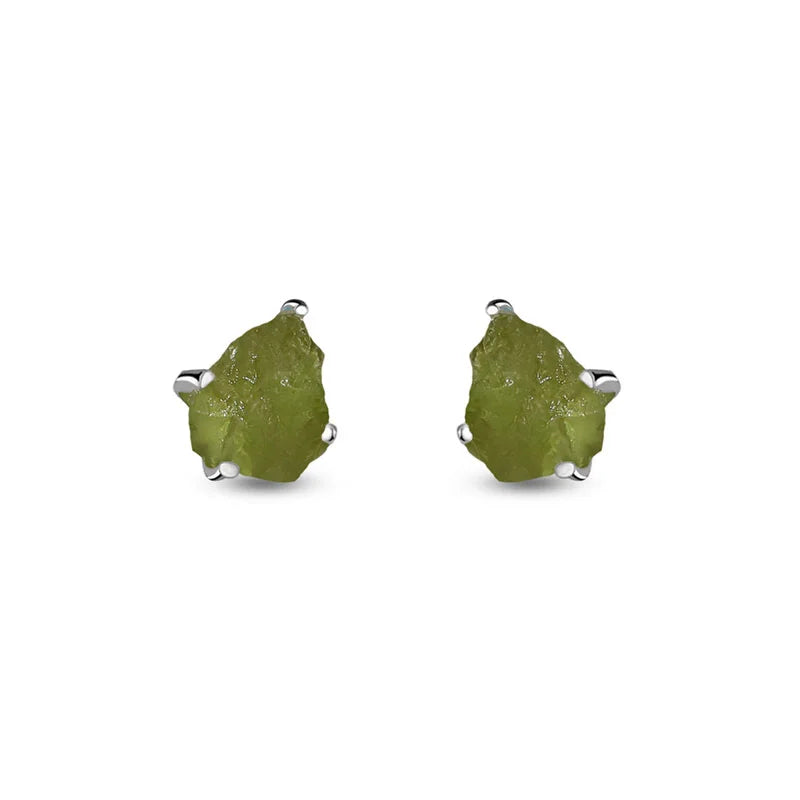
Stage 1: Rough Stone Procurement from Global Gem Markets
Natural Creations 925's gemstone journey begins at the source. Their purchasing team sources rough gemstones from mining regions and gem markets around the world:
Africa:
- Zambia — Deep, saturated amethyst; high-quality emerald
- Ethiopia — Welo opal, the world's finest play-of-color fire opal
- Tanzania — Tanzanite (violet-blue corundum), tsavorite garnet
- Madagascar — Fine labradorite; tourmaline; aquamarine
- Nigeria — Blue topaz; tourmaline
- Mozambique — Rubies; tourmaline; aquamarine
South and Central America:
- Brazil — Tourmaline (including Paraiba); amethyst; citrine; aquamarine; imperial topaz
- Colombia — Fine emerald (Colombian origin carries the world's highest emerald prestige)
- Bolivia — Ametrine; amethyst
Asia:
- Sri Lanka — Blue sapphire; moonstone; cat's eye; alexandrite
- Myanmar (Burma) — Ruby; sapphire; jade
- Cambodia and Thailand — Ruby; sapphire (major cutting centers)
Other:
- Dominican Republic — Larimar (the only source in the world)
- USA (Southwest) — Turquoise (Arizona, Nevada, New Mexico sources)
- Mexico — Fire opal; obsidian
- Afghanistan — Lapis lazuli; tourmaline; ruby
Purchasing at the rough stone level — rather than buying finished gems from brokers — is a practice that requires expertise, travel, and established relationships. It's not the easy path. It's the path that results in better stones at better prices.
Stage 2: Quality Evaluation and Selection
Rough stone purchasing is not a catalog order. Every batch of rough material is evaluated before purchase:
For transparent faceted stones (amethyst, topaz, tourmaline, etc.):
- Color saturation and hue consistency across the rough batch
- Internal clarity — percentage of material yielding clean cut stones
- Crystal structure quality — fractures, inclusions, and growth anomalies assessed
- Estimated yield percentage from rough to cut finished stone
For cabochon stones (turquoise, opal, moonstone, larimar):
- Color quality, pattern, and surface characteristics
- Structural integrity — porosity, fracture susceptibility
- Thickness and shape suitability for setting
For phenomena stones (opal, moonstone, labradorite):
- Strength and distribution of the optical phenomenon (play-of-color, adularescence, labradorescence)
- Coverage area and evenness of the phenomenon across the stone face
- Pattern and uniqueness of the phenomenon
Only material meeting Natural Creations 925's quality standards is purchased. Substandard rough — even at low prices — is not worth the downstream production cost.
Stage 3: In-House Lapidary Processing
Once rough material arrives at the factory, it enters the lapidary department — the most specialized and technically demanding part of the operation.
The lapidary process:
1. Grading and allocation Incoming rough is sorted by quality tier, intended stone size, and cutting style. High-clarity material is allocated to precision faceted cuts; cabochon-grade material goes to the cabbing team.
2. Sawing Large rough is sawn into workable pieces using diamond-tipped slab saws. The goal is to maximize quality material from each piece of rough while minimizing waste.
3. Shaping (pre-forming) Rough stone sections are ground to approximate final shape on coarse grinding wheels. For faceted stones, a pre-form establishes the basic geometry of the cut. For cabochons, the dome profile and outline shape are established.
4. Faceting or Cabbing
- Faceted stones — Set on a faceting machine, each stone has its faces (facets) cut at precise angles to maximize light reflection and brilliance. The number and angle of facets are specific to each cutting style (round brilliant, oval, cushion, emerald cut, pear, etc.)
- Cabochon stones — Shaped and polished into smooth domed forms on a series of progressively finer grinding and polishing wheels
5. Polishing The final stage brings each stone to its maximum optical quality — the bright mirror-like finish on faceted stones, or the silky luster of polished cabochons. This is where the difference between a good lapidary and a great one is most visible.
6. Quality inspection and calibration Finished stones are inspected against quality standards and measured for calibration to ensure they fit the standard settings produced in the casting department. Stones that don't meet dimension specifications or quality standards are rejected before setting.
Stage 4: Casting the Silver Setting
While the lapidary team processes stones, the casting division is producing the sterling silver settings that will hold them.
Using German precision casting equipment, the process follows these steps:
- Wax model — Each design begins as a wax model (hand-carved by master craftspeople, or 3D-printed for new designs using CAD software)
- Investment — The wax model is placed in a flask and encased in investment plaster
- Burnout — The flask is fired in a kiln; the wax melts and burns away ("lost wax"), leaving a precise cavity
- Casting — Molten 925 sterling silver is injected into the cavity under vacuum pressure, filling every detail
- Quench and divest — The flask is cooled, and the investment is broken away to reveal the raw casting
- Cleaning — Sprues and gates are removed; the raw casting is cleaned and inspected
Stage 5: Stone Setting
The finished casting and the calibrated gemstone meet at the setting bench.
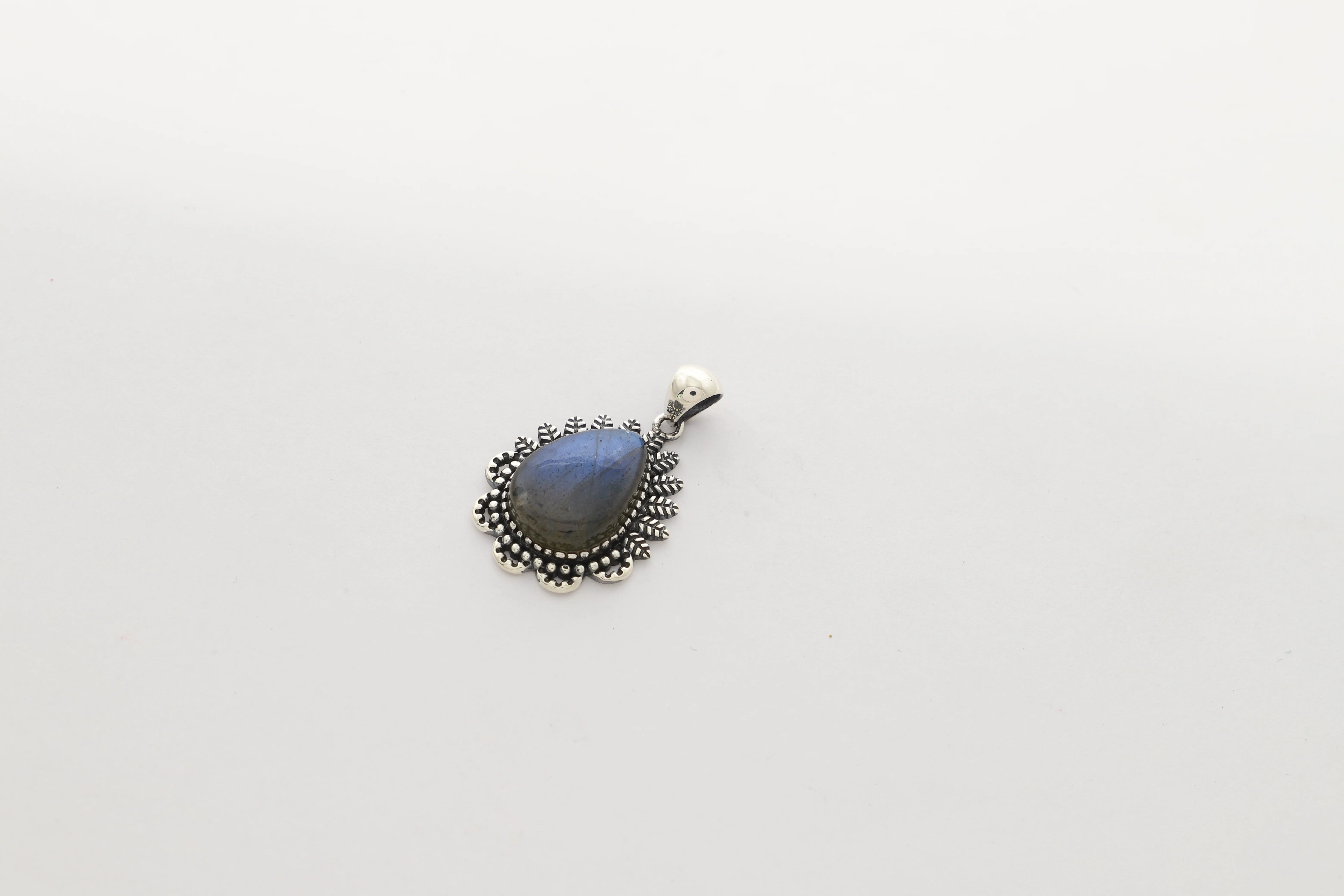
Setting is one of the most skill-intensive steps in jewelry production. A setter uses precision tools — pushers, burnishers, gravers — to secure each stone in its setting without damaging either the stone or the silver:
- Bezel setting: The metal wall is pushed over the stone's edge evenly around the perimeter
- Prong setting: Each prong is bent down to grip the stone at its girdle
- Pavé setting: Tiny beads of metal are raised to hold each small stone in a field of many
With 500+ artisans — 75% women — at Natural Creations 925, the setting team brings the depth of experience and tactile skill that stone-setting quality demands.
Stage 6: Polishing, Finishing, and Quality Inspection
Set pieces move through final polishing — first barrel polishing for overall surface quality, then hand finishing for specific areas and details. For oxidized pieces, the selective patina is applied and buffed after polishing.
Each piece undergoes quality inspection:
- Stone security check (all stones seated and secure)
- Surface finish quality
- Hallmark verification (.925 stamped and legible)
- Dimensional verification
Pieces that don't meet standards are rejected at this stage — not shipped.
Stage 7: Packaging and Fulfillment
Inspected, approved pieces are packaged and prepared for wholesale shipping. Natural Creations 925 ships same-day from our Las Vegas Manufacturer Direct Warehouse on qualifying orders placed before 2 PM PST — a domestic US fulfillment speed that brings all this global sourcing and manufacturing expertise to wholesale buyers' doors in days.
Where does Natural Creations 925 source their gemstones?
Natural Creations 925 purchases rough gemstones from mining regions and gem markets across Africa (Zambia, Ethiopia, Tanzania, Madagascar), South America (Brazil, Colombia), Asia (Sri Lanka, Myanmar), and specialized sources (Dominican Republic for larimar, US Southwest for turquoise). They purchase rough material rather than pre-cut stones.
What is an in-house lapidary?
An in-house lapidary is a gemstone cutting and polishing department within the manufacturer's own facility. Natural Creations 925's in-house lapidary team processes rough gemstones into finished calibrated stones on-site, maintaining direct quality control over every stone that goes into their jewelry.
Why does in-house lapidary matter for wholesale buyers?
In-house lapidary means stone quality, size consistency, and cutting quality are controlled by the manufacturer rather than delegated to third-party brokers. This results in consistent stone quality across orders, better pricing (no broker margin), and full transparency about stone origin and treatment.
Are Natural Creations 925 gemstones natural or lab-created?
Natural Creations 925 works with natural gemstones (the majority of their catalog), treated-natural stones (industry-standard treatments like heated topaz or cedar oil-enhanced emeralds, always disclosed), and lab-created options where specified. Their in-house lapidary team processes natural rough stones from global sources.
How does rough stone sourcing affect wholesale jewelry pricing?
Sourcing rough stones directly — rather than buying pre-cut from brokers — removes an intermediate markup from the stone cost. Combined with in-house cutting, this means Natural Creations 925 captures the lapidary value internally, enabling competitive wholesale pricing on higher-quality stones than most competitors offer at equivalent price points.
Open Your Wholesale Account Today
500+ artisans. In-house lapidary. 100% solar-powered. Same-day shipping on orders before 2 PM PST. Just your business license to get started.