
Abalone Shell Jewelry Wholesale Guide: The Ocean
Abalone Shell Jewelry Wholesale Guide: The Ocean's Iridescent Gem
Wholesale abalone shell jewelry in 925 sterling silver — sourcing, grading, healing properties, and why this iridescent organic gem drives repeat retail sales.
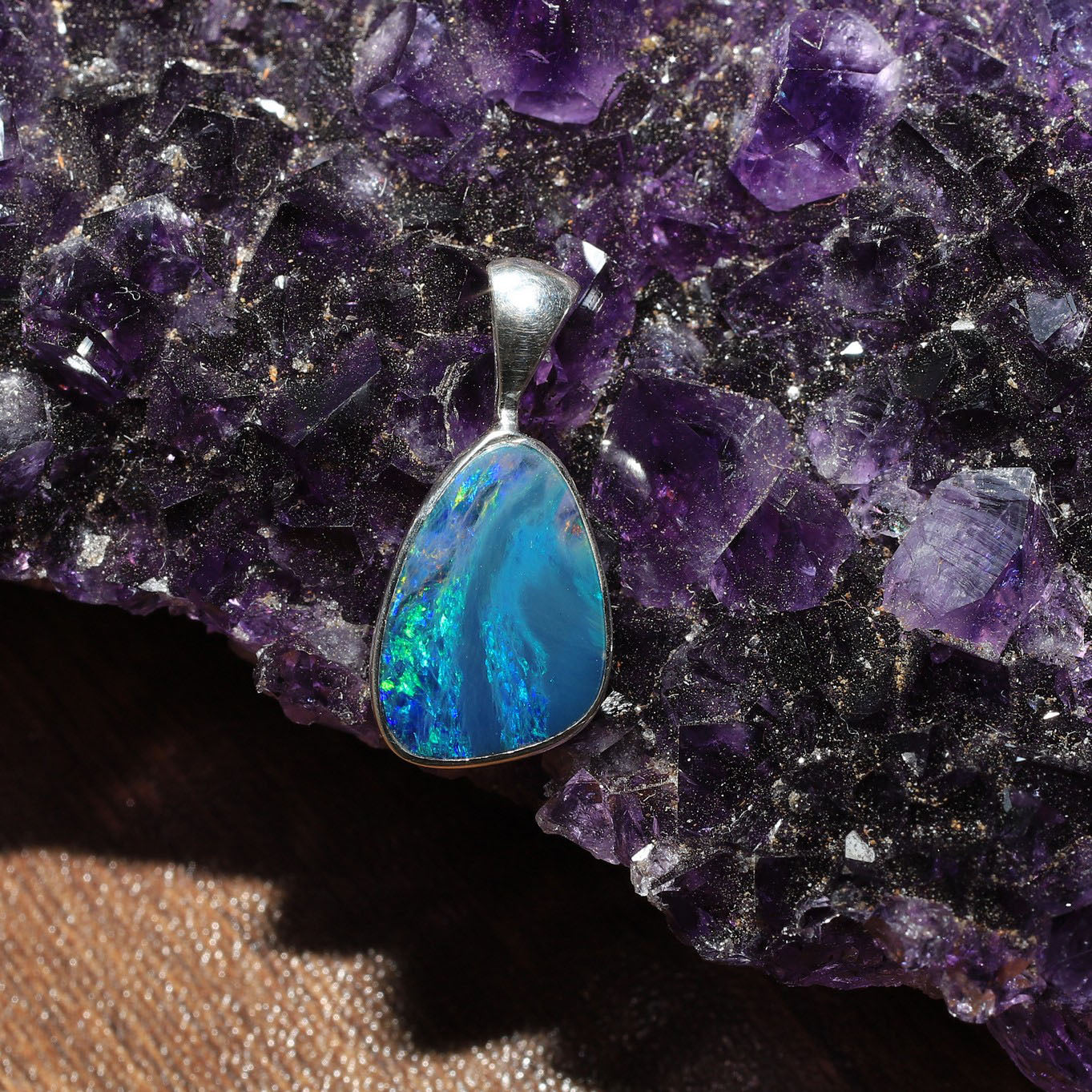
Wholesale abalone shell jewelry in 925 sterling silver delivers one of the highest visual-impact-to-cost ratios in the entire jewelry market, with pieces ranging from $8 to $45 wholesale and the iridescent blue-green-purple nacre creating the kind of showstopping color play that stops a customer mid-scroll. Abalone is not technically a gemstone — it is the inner shell lining of a large sea snail in the Haliotidae family — but it has been used in jewelry and decorative arts for thousands of years across cultures from the Maori of New Zealand to the coastal tribes of California. For wholesale buyers, abalone shell offers a unique combination: organic origin, extraordinary color, broad consumer appeal, and price points that support healthy margins at every retail tier.
What Exactly Is Abalone Shell, and Why Is It Used in Jewelry?
Abalone is a genus of large marine gastropod mollusks found in cold coastal waters worldwide. The animal itself is harvested primarily for food (abalone meat is a prized delicacy in East Asian and Pacific Island cuisines), and the shell — specifically the nacre (mother-of-pearl) lining the interior — is the material used in jewelry.
Key facts for wholesale buyers:
- Material type: Organic (biogenic calcium carbonate arranged in microscopic layered tiles)
- Chemical composition: Aragonite (CaCO₃) layered with conchiolin protein
- Mohs hardness: 2.5–4 (softer than most gemstones; requires protective settings)
- Luster: Iridescent/nacreous — the layered aragonite structure diffracts light to produce shifting blue, green, purple, pink, and gold colors
- Crystal system: Orthorhombic (aragonite layers)
- Specific gravity: 2.7–2.8
- Origin: Marine — harvested from sea snail shells
Why Does Abalone Display Such Vivid Iridescence?
The color play in abalone is not caused by pigment. It results from the physical structure of nacre itself. Microscopic layers of aragonite tiles, each roughly 0.5 micrometers thick, are stacked in a "brick and mortar" pattern with thin layers of conchiolin protein between them. When light enters the nacre, it reflects off multiple layers simultaneously, and the slightly different path lengths create constructive and destructive interference — the same optical phenomenon that produces rainbow colors in soap bubbles and oil films.
This structural color means every piece of abalone shell displays a unique color pattern. No two pieces are identical, which is a significant selling point for retail — especially in the boutique and Instagram Live markets where uniqueness drives purchase decisions.
How Do You Grade Wholesale Abalone Shell Quality?
Unlike mineral gemstones, abalone shell does not follow standardized gemological grading. However, experienced wholesale buyers evaluate quality based on these factors:
Abalone Shell Quality Grading — Wholesale Buyer's Guide
| Grade | Color Intensity | Iridescence | Surface Quality | Pattern | Wholesale Price (set in 925 silver) |
|---|---|---|---|---|---|
| AAA (Premium) | Vivid blue-green with strong purple/pink flashes | Full-spectrum play of color across the entire surface | No pits, cracks, or dull spots | Bold, swirling color patterns | $25–$45 per piece |
| AA (Fine) | Strong blue-green with moderate secondary colors | Good play of color across most of the surface | Minor surface imperfections acceptable | Attractive, varied patterns | $15–$30 per piece |
| A (Standard) | Moderate color with dominant blue or green | Visible iridescence but less dramatic | Some surface texture or minor pitting | Acceptable patterns | $10–$20 per piece |
| B (Commercial) | Muted colors, less contrast | Limited play of color | Visible pits, texture, or thin nacre | Less distinctive patterns | $8–$15 per piece |
Important grading notes:
- Color dominance varies by species. New Zealand paua (Haliotis iris) tends toward vivid blues and purples. California red abalone (Haliotis rufescens) shows more green and pink. South African abalone (Haliotis midae) produces warm green-gold tones. Korean abalone offers balanced blue-green.
- Nacre thickness matters. Thicker nacre produces more vivid iridescence and is more durable in jewelry settings. Thin nacre looks washed out and chips easily.
- Stabilization is standard. Most commercial abalone shell is stabilized with clear resin to improve durability and fill micro-pores. This is accepted industry practice and not considered a negative — it actually improves the material's performance in jewelry.
Where Is Abalone Shell Sourced, and Which Species Are Best for Jewelry?
Abalone species are found in coastal waters worldwide, but four primary sources dominate the wholesale jewelry market:
| Source Region | Species | Color Characteristics | Market Reputation | Sustainability Status |
|---|---|---|---|---|
| New Zealand | Paua (Haliotis iris) | Intense blues, purples, and greens — the most vivid of all abalone species | Premium — considered the gold standard for jewelry | Sustainably managed; strict quota system and marine reserves |
| South Africa | Perlemoen (Haliotis midae) | Green-gold with warm tones | High quality; increasingly farmed | Farm-raised operations expanding; wild populations protected |
| California, USA | Red abalone (Haliotis rufescens) | Green, pink, and red tones | Well-known; associated with coastal/boho aesthetic | Wild harvest banned since 2018; farm-raised only |
| South Korea | Haliotis discus hannai | Balanced blue-green with silver undertones | Good commercial quality | Extensively farmed; reliable supply chain |
Is Abalone Sustainable?
Sustainability is a genuine selling point for abalone jewelry — and an increasingly important one. Wild abalone populations have declined in many regions due to overharvesting and climate-related factors, but the jewelry market has responded by shifting heavily toward farmed abalone. Commercial abalone aquaculture operations in New Zealand, South Africa, South Korea, and Australia produce shells that are identical in quality to wild-harvested material, with the added benefit of a fully traceable, environmentally responsible supply chain.
For wholesale buyers, "sustainably farmed abalone" is a marketing advantage, not a compromise. Today's retail consumers — particularly millennials and Gen Z — actively prefer materials with clear sustainability credentials, and farmed abalone delivers that story authentically.
What Are the Healing Properties and Metaphysical Meanings of Abalone Shell?
The metaphysical and wellness market is a significant demand driver for abalone shell jewelry, and understanding these associations helps wholesale buyers position inventory effectively.
Chakra Association
- Throat Chakra (Vishuddha): Abalone's connection to the ocean and its blue-green color energy align it with the Throat Chakra, which governs communication, self-expression, and speaking one's truth. Practitioners use abalone to encourage honest, compassionate communication.
- Third Eye Chakra (Ajna): The iridescent quality of abalone — light shifting through multiple colors — is associated with intuition, psychic awareness, and expanded perception. The Third Eye connection makes abalone popular in meditation and spiritual practice.
Zodiac Connection
Abalone is associated with Aquarius, Pisces, and Cancer — all water-influenced signs. Its ocean origin creates a natural affinity with water element energy, and it resonates particularly with Pisces' intuitive nature and Cancer's emotional depth.
Healing Properties (as understood in crystal healing traditions)
- Emotional balance and calm: Abalone is used to soothe anxiety, ease emotional tension, and bring a sense of peace — mirroring the calming energy of the ocean itself
- Intuition and imagination: The shifting colors are believed to stimulate creativity, open psychic channels, and enhance dream work
- Protection: Many Indigenous and Pacific Island traditions consider abalone a protective talisman, particularly for travelers on or near water
- Physical associations: Crystal healers associate abalone with the digestive system, joint health, and immune support (these are traditional beliefs, not medical claims)
How to Market Metaphysical Properties
Wholesale buyers supplying the wellness and metaphysical retail market should note that abalone's ocean origin gives it a storytelling advantage most mineral gemstones lack. The narrative of "born in the sea, shaped by the tides, carrying the energy of the ocean" is emotionally compelling and resonates across cultures. Pair this with the visual beauty of the nacre, and abalone becomes one of the easiest metaphysical jewelry pieces to sell.
What Jewelry Styles Work Best for Wholesale Abalone Shell?
Abalone's relatively low hardness (Mohs 2.5–4) means setting style matters for both aesthetics and durability. Here are the most commercially successful formats:
-
Bezel-set pendants and earrings. Full bezel settings protect the edges of abalone cabochons — the most vulnerable point — while the open face displays the full iridescent surface. This is the highest-volume category for abalone in 925 sterling silver.
-
Inlay work. Abalone shell cut into geometric shapes and inlaid flush into sterling silver channels creates a sleek, modern look. This technique is popular for rings, bangles, and men's jewelry, and the flush-set design protects the relatively soft shell material during daily wear.
-
Mosaic and doublet designs. Smaller abalone pieces assembled into mosaic patterns, or thin abalone slices backed with a dark substrate (doublets), maximize color impact while using material efficiently. Doublets are especially popular because the dark backing intensifies the iridescent colors.
-
Mixed-material combinations. Abalone paired with turquoise, coral, mother-of-pearl, or other organic materials creates Southwestern and coastal-inspired pieces with strong seasonal appeal.
At Natural Creations 925's 60,000-square-foot solar-powered factory, abalone is cut, shaped, and polished in the in-house lapidary before being hand-set by the team of 500+ artisans. The German precision machinery ensures consistent cabochon calibration — critical for abalone inlay work where even 0.2mm variance can affect fit — while the 75% women artisan workforce brings the detail-oriented hand-finishing that organic materials demand.
How Does Abalone Shell Compare to Other Iridescent Materials?
Wholesale buyers often weigh abalone against other nacreous and iridescent materials. This comparison clarifies the differences:
| Feature | Abalone Shell | Mother-of-Pearl (MOP) | Labradorite | Opal |
|---|---|---|---|---|
| Material type | Organic (sea snail nacre) | Organic (freshwater/saltwater mollusk nacre) | Mineral (feldspar) | Mineral (hydrated silica) |
| Mohs hardness | 2.5–4 | 2.5–4.5 | 6–6.5 | 5.5–6.5 |
| Color range | Blue, green, purple, pink, gold | White, cream, pink (less color range) | Blue, gold, green, orange (labradorescence) | Full spectrum (play of color) |
| Iridescence type | Structural — nacre layer interference | Structural — nacre layer interference | Structural — light scattering in lamellar layers | Structural — silica sphere diffraction |
| Wholesale price (in 925 silver) | $8–$45 | $6–$25 | $12–$55 | $15–$120+ |
| Durability in jewelry | Low — needs protective settings | Low–moderate | Good — suitable for rings | Moderate — sensitive to dehydration |
| Consumer appeal | Ocean aesthetic, vivid color | Classic elegance, bridal | Mystical/ethereal | Premium, collector |
Abalone occupies a sweet spot: more colorful and visually dramatic than standard mother-of-pearl, more affordable than opal, and carrying an ocean-origin story that resonates with the coastal/boho/wellness aesthetic that continues to dominate retail jewelry trends.
What Should Wholesale Buyers Know About Caring for Abalone Jewelry?
Because abalone is an organic material with relatively low hardness, proper care guidance is essential — both for your own inventory management and as information to pass along to retail customers:
- Avoid chemicals. Perfume, hairspray, cleaning products, and chlorinated water can damage the nacre surface and dull the iridescence
- Store separately. Abalone should not touch harder gemstones or metal surfaces that could scratch it. Soft pouches or lined compartments are recommended
- Clean gently. Soft damp cloth only — no ultrasonic cleaners, no steam, no abrasive compounds
- Avoid prolonged sun exposure. Extended direct sunlight can fade the organic protein layers that contribute to nacre structure
- Protective settings matter. Bezel settings and inlay designs protect abalone far better than prong settings for everyday-wear pieces like rings
Including a care card with every abalone jewelry purchase reduces returns and builds customer trust — a detail that Natural Creations 925 builds into its wholesale packaging across all 40+ export countries, with same-day shipping on orders placed before 2 PM PST ensuring your inventory moves fast from factory floor to your retail display.
Is abalone shell jewelry ethical and sustainable?
Yes. The vast majority of abalone shell used in jewelry today comes from sustainably farmed aquaculture operations in New Zealand, South Africa, South Korea, and Australia. The shells are a byproduct of the abalone meat industry, which means no animals are harvested solely for their shells. For wholesale buyers, farmed abalone offers a fully traceable supply chain and a genuine sustainability story that resonates with today's retail consumers.
Can abalone shell be worn every day?
Abalone shell is best suited for earrings, pendants, and brooches — pieces that experience minimal impact. For rings and bracelets, protective settings like full bezels and inlay channels are essential because abalone's Mohs 2.5–4 hardness makes it vulnerable to scratching and chipping from daily contact with hard surfaces. With proper setting design, abalone can be worn regularly and enjoyed for years.
How can I tell if abalone shell is real or synthetic?
Genuine abalone displays irregular, organic color patterns — no two pieces look identical, and the color shifts naturally as the viewing angle changes. Synthetic or printed imitations tend to show repetitive, uniform patterns and lack the depth of real nacre. Under magnification, genuine abalone reveals the layered aragonite tile structure that produces its iridescence. A reputable wholesale supplier provides documentation of material authenticity.
Why does abalone shell change color when you move it?
The color change is caused by structural iridescence — light diffracting through microscopic layers of aragonite crystal within the nacre. As the angle of light or viewing changes, different wavelengths interfere constructively, producing different visible colors. This is the same optical physics behind rainbow effects in soap bubbles. It is a natural property of nacre structure, not artificial treatment.
What is the difference between abalone and paua?
Paua is the Maori name for New Zealand abalone (Haliotis iris), which is considered the most vibrantly colored abalone species in the world. All paua is abalone, but not all abalone is paua. In the wholesale market, "paua shell" commands a premium over generic "abalone shell" due to its superior color intensity and the strong brand recognition of New Zealand's sustainable fishery management.
Open Your Wholesale Account Today
500+ artisans. In-house lapidary. 100% solar-powered. Same-day shipping on orders before 2 PM PST. Just your business license to get started.